
Vaccine | Vibepedia
Vaccines represent one of humanity's most profound public health interventions, a testament to our ability to harness biological principles for disease…
Contents
- 💉 What Exactly Is a Vaccine?
- 🔬 How Do Vaccines Work?
- 📜 A Brief History of Immunization
- 📈 Vaccine Safety and Efficacy: The Data
- 🤔 Debates and Controversies Surrounding Vaccines
- 💡 Types of Vaccines You Might Encounter
- 🌍 Global Impact and Public Health
- 🚀 The Future of Vaccine Technology
- Frequently Asked Questions
- Related Topics
Overview
Vaccines represent one of humanity's most profound public health interventions, a testament to our ability to harness biological principles for disease prevention. Originating from early observations of variolation in the 18th century, the field has exploded, culminating in the rapid development of mRNA technology during the COVID-19 pandemic. Beyond their life-saving efficacy, vaccines are deeply embedded in cultural narratives, sparking debates about individual liberty, scientific trust, and global equity. Understanding their historical trajectory, the intricate mechanisms of action, and the ongoing controversies is crucial for navigating our collective health future.
💉 What Exactly Is a Vaccine?
A vaccine is essentially a sophisticated biological tool designed to prime your body's defenses against specific threats. Think of it as a highly targeted training exercise for your immune system. These preparations typically introduce a harmless version or component of a pathogen—like a weakened virus, a killed bacterium, or even just a piece of its surface—to your body. This allows your immune system to learn to identify and neutralize the real threat without you having to endure the actual illness. The primary goal is to confer active acquired immunity, meaning your body actively builds its own protection.
🔬 How Do Vaccines Work?
The magic of vaccines lies in their ability to mimic an infection without causing disease. When a vaccine is administered, your immune system encounters the 'decoy' pathogen. Specialized cells, like B cells and T cells, recognize this as foreign. B cells produce antibodies, which are like targeted missiles that can neutralize the pathogen. T cells, on the other hand, can directly kill infected cells or help coordinate the immune response. Crucially, the immune system 'remembers' this encounter, creating memory cells. Should you ever be exposed to the actual, virulent pathogen, these memory cells mount a rapid and robust defense, often preventing illness entirely or significantly reducing its severity. This process is fundamental to community protection.
📜 A Brief History of Immunization
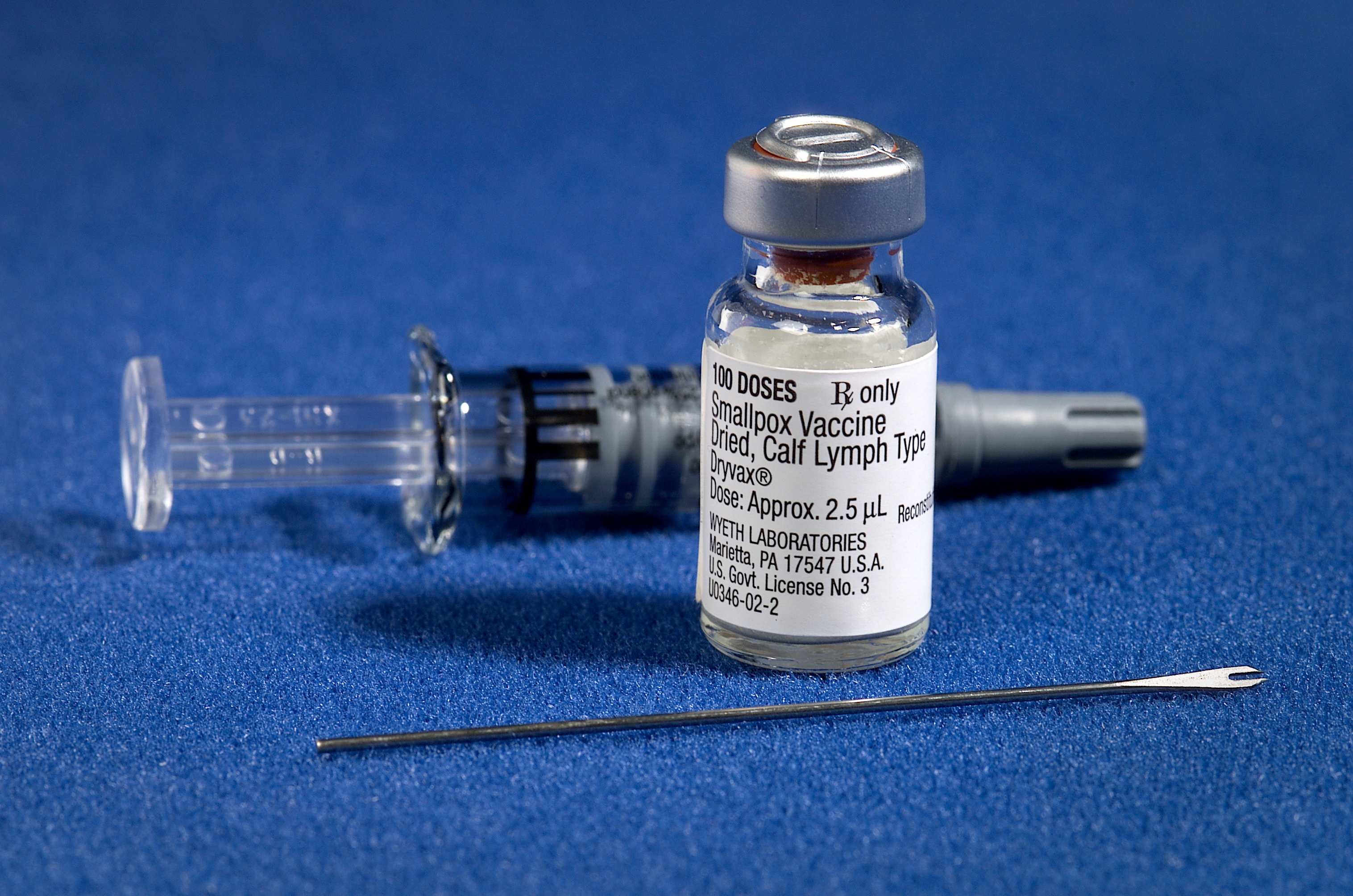
The concept of inoculation isn't new; variolation, using material from smallpox pustules to induce a milder form of the disease, dates back centuries in Asia and Africa. However, the modern era of vaccination truly began in 1796 with the pioneer of vaccination, who used cowpox to protect against smallpox. This groundbreaking work paved the way for further advancements, who developed vaccines for rabies and anthrax in the late 19th century. These early successes laid the foundation for the systematic development of vaccines against numerous infectious diseases, transforming global health outcomes and dramatically increasing human lifespan.
📈 Vaccine Safety and Efficacy: The Data
The safety and efficacy of vaccines are among the most rigorously studied aspects of modern medicine. Decades of medical research and ongoing post-market surveillance by organizations like the regulatory bodies and the global health authority consistently demonstrate that vaccines are overwhelmingly safe and highly effective. Serious adverse events are exceedingly rare, far less common than the risks associated with the diseases they prevent. For instance, the MMR vaccine has been instrumental in reducing measles cases by over 99% since its introduction in 1963, a testament to its public health impact.
🤔 Debates and Controversies Surrounding Vaccines
Despite overwhelming scientific consensus, vaccines remain a subject of intense debate and misinformation. Concerns often revolve around perceived side effects, the speed of development, or the ingredients used. The vaccine hesitancy has been fueled by discredited studies, such as the fraudulent 1998 paper linking the MMR vaccine to autism, which has been thoroughly debunked. It's crucial to distinguish between scientifically validated concerns and unsubstantiated claims. The public health agency provides extensive data and resources to address these concerns, emphasizing that the benefits of vaccination far outweigh the minimal risks.
💡 Types of Vaccines You Might Encounter
Vaccines come in various forms, each employing a different strategy to stimulate immunity. Weakened pathogens (like MMR or chickenpox) use a weakened form of the virus or bacteria. Killed pathogens (like the polio vaccine) use a killed version. Protein-based vaccines (like the Hepatitis B vaccine) use specific pieces of the pathogen. Toxin-based vaccines (like tetanus) use inactivated toxins produced by the pathogen. More recently, novel technologies (like some COVID-19 vaccines) use messenger RNA to instruct cells to produce a specific protein, triggering an immune response.
🌍 Global Impact and Public Health
Vaccines are arguably one of the most successful public health interventions in history. They have led to the eradication of smallpox, a disease that once killed millions, and the near-elimination of polio in many parts of the world. Widespread vaccination campaigns have dramatically reduced the incidence of diseases like diphtheria, pertussis, and rubella, saving countless lives and preventing long-term disabilities. The concept of community protection is central here; when a high percentage of the population is vaccinated, it becomes difficult for diseases to spread, protecting even those who cannot be vaccinated, such as infants or individuals with compromised immune systems.
🚀 The Future of Vaccine Technology
The field of vaccinology is constantly evolving. Researchers are exploring new platforms and technologies to develop vaccines more rapidly and effectively. messenger RNA vaccines have shown immense promise, allowing for quicker development and adaptation to new variants. Other areas of research include deoxyribonucleic acid vaccines, engineered viruses, and universal vaccines designed to protect against multiple strains of a pathogen (e.g., a universal flu vaccine). The goal is to create vaccines that are more potent, longer-lasting, and accessible to all populations globally, addressing emerging infectious diseases and even non-infectious conditions like certain cancers.
Key Facts
- Year
- 1796
- Origin
- Edward Jenner's smallpox vaccine
- Category
- Science & Technology
- Type
- Topic
Frequently Asked Questions
Are vaccines safe for children?
Yes, vaccines are overwhelmingly safe for children. They undergo rigorous testing and monitoring. The benefits of protecting children from serious diseases like measles, polio, and whooping cough far outweigh the very small risks associated with vaccination. Major health organizations worldwide, including the CDC and WHO, confirm the safety and necessity of childhood immunization schedules. Concerns about links to conditions like autism have been thoroughly investigated and debunked by extensive scientific research.
Can I get the disease from a vaccine?
It is extremely rare to get the actual disease from a vaccine. Most vaccines use weakened (attenuated) or killed versions of the pathogen, or just a small part of it, which cannot cause illness. Live-attenuated vaccines, like the MMR vaccine, are the only type that contain a weakened live virus, but even then, the virus is so weakened that it typically doesn't cause disease in healthy individuals. If mild symptoms occur, they are usually a sign that the immune system is responding, not that you have contracted the disease.
What are the most common side effects of vaccines?
The most common side effects are usually mild and temporary, indicating that your immune system is building protection. These can include soreness, redness, or swelling at the injection site, a low-grade fever, or mild fatigue. These symptoms typically resolve within a day or two. Serious allergic reactions are very rare, occurring in about one per million doses for most vaccines.
Why do we still need vaccines if diseases have been nearly eliminated?
Diseases like polio and measles have been nearly eliminated in many regions due to high vaccination rates, a phenomenon known as community protection. However, if vaccination rates drop, these diseases can re-emerge and spread rapidly. Maintaining high vaccination coverage is crucial to prevent outbreaks and protect vulnerable populations who cannot be vaccinated. Vaccines remain essential for preventing the resurgence of dangerous infectious diseases.
What is the difference between a vaccine and a booster shot?
A vaccine is the initial dose that teaches your immune system to recognize and fight a pathogen. A booster shot is an additional dose given sometime after the initial vaccination. Boosters are often needed because the immunity developed from the primary vaccine series may decrease over time, or because new strains of a pathogen emerge. Booster shots help to 'boost' or strengthen the immune response, providing renewed and often longer-lasting protection.
Where can I find reliable information about vaccines?
Reliable information about vaccines can be found from reputable public health organizations and government health agencies. Key sources include the global health authority, the U.S. public health agency, and national health ministries. Academic institutions and peer-reviewed scientific journals also provide evidence-based data. Be cautious of information from social media or unverified websites, as it may contain misinformation.