
Contents
- 🎵 Origins & Early Life
- ⚙️ Songwriting Career
- 📊 Key Facts & Numbers
- 👥 The Songwriters Hall of Fame
- 🌍 Cultural Impact & Influence
- ⚡ Legacy and Recognition
- 🤔 Debates and Criticisms
- 🔮 Future of Songwriting Heritage
- 💡 Practical Applications of Preservation
- 📚 Related Topics & Deeper Reading
- Frequently Asked Questions
- Related Topics
Overview
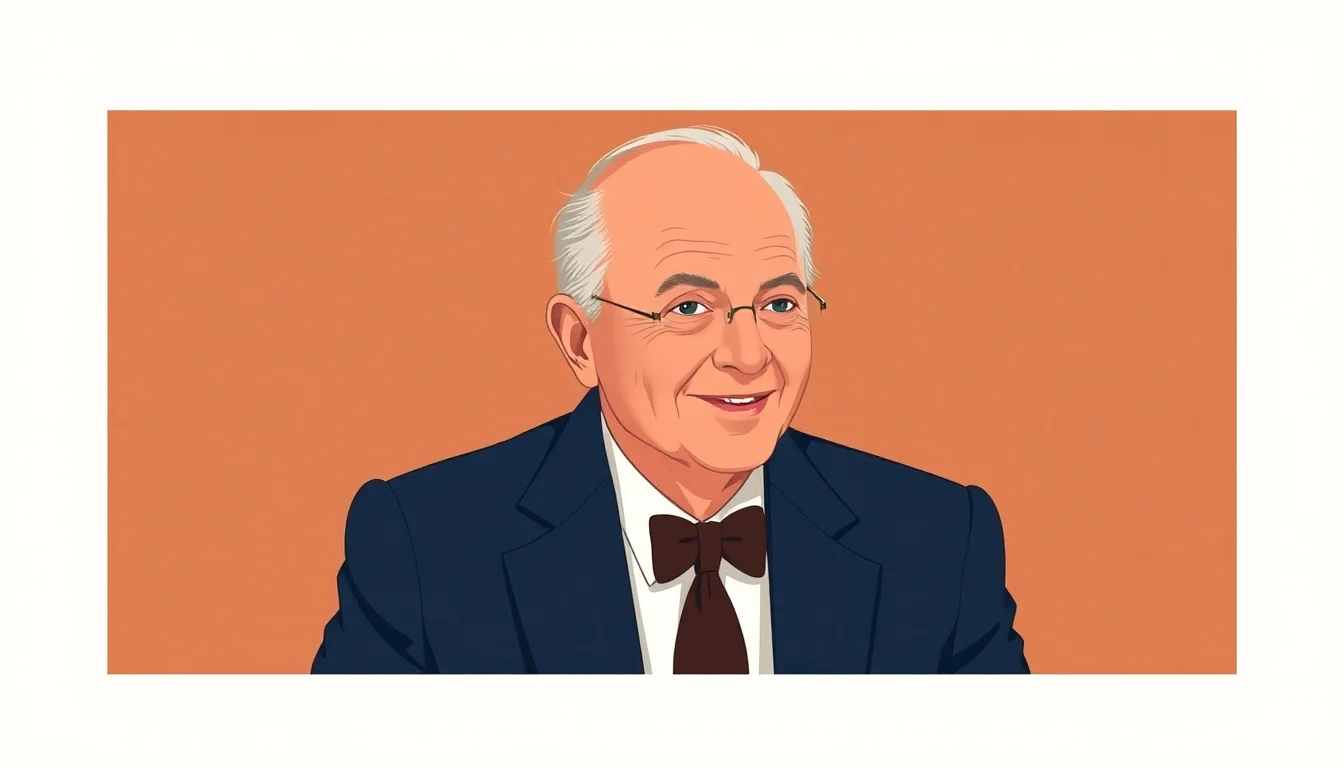
Born Abraham "Abe" Olman on December 20, 1887, in Cincinnati, Ohio, his early life was steeped in the burgeoning American musical scene. While specific details of his formative years are sparse, it's clear that Olman developed a deep appreciation for the craft of songwriting from a young age. His early career likely involved navigating the vaudeville circuits and Tin Pan Alley, the epicenter of American popular music publishing in the early 20th century. This period, marked by rapid innovation in musical styles and distribution methods, provided the fertile ground from which Olman's own creative and entrepreneurial endeavors would spring. His Cincinnati roots, while not a primary focus of his later fame, represent the foundational American experience that would inform his understanding of popular appeal.
⚙️ Songwriting Career
Olman's career as a songwriter spanned several decades, contributing to the vast catalog of American popular music. While not as widely recognized by name as some of his contemporaries, his compositions were part of the era's soundtrack. He penned tunes that found their way into various performance venues, reflecting the diverse tastes of audiences from the early 1900s through the mid-20th century. His work often captured the spirit of the times, touching on themes of love, life, and the American experience. Collaborating with various lyricists and composers, Olman honed his craft, understanding the intricate dance between melody and words that defines a memorable song. His songwriting output, though perhaps overshadowed by his institutional achievements, forms a crucial part of his artistic identity.
📊 Key Facts & Numbers
Abe Olman lived for 96 years, from 1887 to 1984, a testament to his enduring presence in the music industry. He was born in Cincinnati, Ohio, and passed away in Rancho Mirage, California. As a songwriter, he contributed to an era that saw the production of millions of songs, many of which became chart-toppers and enduring standards. The Songwriters Hall of Fame, which he co-founded in 1969, has inducted over 400 members since its inception, a significant number reflecting the vast talent pool Olman sought to honor. His personal contributions to the SHOF's endowment and operational framework were critical in its early years, ensuring its survival and growth beyond its initial founding.
👥 The Songwriters Hall of Fame
Olman's most significant contribution to the music world was his instrumental role in co-founding the Songwriters Hall of Fame (SHOF) in 1969. Alongside legendary songwriter Johnny Mercer and publisher Howie Richmond, Olman envisioned an institution dedicated to celebrating the art and artists of songwriting. He served as a key executive and trustee, dedicating considerable energy to establishing the SHOF's mission and operational structure. His vision extended beyond mere commemoration; he championed the organization's role in nurturing new talent through workshops and scholarships, recognizing that the future of popular music depended on fostering emerging songwriters. This commitment to both legacy and future innovation defined his involvement with the SHOF.
🌍 Cultural Impact & Influence
The establishment of the Songwriters Hall of Fame by Olman and his co-founders has had a profound and lasting impact on the recognition and preservation of American popular music. By creating a dedicated institution, they elevated songwriting from a craft to a recognized art form worthy of institutional honor. This has influenced how music history is taught and how songwriters are perceived within the broader cultural landscape. The SHOF's annual induction ceremonies and educational programs continue to inspire new generations of musicians, ensuring that the heritage of American song remains vibrant and accessible. Olman's foresight in establishing this organization has helped safeguard a vital part of the nation's cultural patrimony, influencing countless artists and music historians.
⚡ Legacy and Recognition
Abe Olman's legacy is primarily cemented through his co-founding of the Songwriters Hall of Fame. While his individual songwriting credits are less prominent in contemporary discourse, his role as an institutional architect is undeniable. The SHOF, now chaired by Nile Rodgers, continues to induct esteemed songwriters annually, a direct continuation of the vision Olman helped to establish. His passing in 1984 marked the end of an era for a man who dedicated a significant portion of his life to ensuring the enduring recognition of his peers and predecessors. The continued relevance and growth of the SHOF serve as the most tangible testament to his enduring influence on the music industry.
🤔 Debates and Criticisms
While the Songwriters Hall of Fame is widely lauded, debates can arise regarding the criteria for induction and the representation of diverse genres and eras within its honorees. Critics might question whether the SHOF, in its early years under Olman's guidance, adequately represented the full spectrum of American popular music, particularly genres that gained prominence later. The focus on "English-language popular music" also raises questions about inclusivity. However, the organization has evolved, and Olman's foundational vision was rooted in the musical landscape of his time, aiming to preserve what he and his co-founders considered the bedrock of American song. The ongoing discussions about representation are a natural evolution for any long-standing cultural institution.
🔮 Future of Songwriting Heritage
The future of songwriting heritage, as envisioned by Olman, hinges on the continued vitality of institutions like the Songwriters Hall of Fame. As music consumption evolves with digital platforms like Spotify and YouTube, the methods of preserving and disseminating musical history will undoubtedly change. The challenge lies in adapting these preservation efforts to new technologies and audience behaviors, ensuring that the contributions of songwriters, both past and present, remain accessible and appreciated. Olman's emphasis on nurturing new talent suggests a forward-looking approach, anticipating that the heritage he helped build will be carried forward by future generations of creators.
💡 Practical Applications of Preservation
The principles behind the Songwriters Hall of Fame, championed by Olman, have practical applications far beyond the music industry. The concept of institutionalizing the recognition and preservation of creative arts can be applied to literature, visual arts, and film. Establishing archives, mentorship programs, and awards for specific crafts ensures that cultural contributions are not lost to time. For instance, the Library of Congress serves a similar archival function for literary and historical works. Olman's work demonstrates the value of dedicated organizations in safeguarding and promoting artistic legacies for educational and cultural enrichment.
Key Facts
- Year
- 1887-1984
- Origin
- Cincinnati, Ohio, USA
- Category
- person
- Type
- person
Frequently Asked Questions
Who was Abe Olman and what is he most known for?
Abe Olman (1887-1984) was an American songwriter and a pivotal figure in the preservation of popular music history. He is most renowned for being a co-founder of the Songwriters Hall of Fame (SHOF) in 1969, alongside Johnny Mercer and Howie Richmond. Olman's vision for the SHOF was to honor songwriters and actively support the development of new talent, ensuring the continuation of American musical heritage.
What was Abe Olman's role in the Songwriters Hall of Fame?
Abe Olman was instrumental in the conception and establishment of the Songwriters Hall of Fame. He served as a key executive and trustee, dedicating significant effort to defining its mission and operational framework. His commitment extended to advocating for the SHOF's role in nurturing emerging songwriters through workshops and scholarships, recognizing the importance of both legacy and future innovation in popular music.
What kind of music did Abe Olman write?
While specific hit songs are not widely attributed to Abe Olman in contemporary popular memory, his career as a songwriter spanned several decades, contributing to the broad spectrum of American popular music during the early to mid-20th century. His compositions likely reflected the styles and themes prevalent in eras influenced by Tin Pan Alley and vaudeville, capturing the spirit of the times for audiences of that period.
When and where did Abe Olman live?
Abe Olman was born on December 20, 1887, in Cincinnati, Ohio, and passed away on January 4, 1984, in Rancho Mirage, California. He lived a long life of 96 years, during which he made significant contributions to the music industry, particularly through his institutional work with the Songwriters Hall of Fame.
What is the significance of the Songwriters Hall of Fame?
The Songwriters Hall of Fame is significant because it formally recognizes and celebrates the art and artists of songwriting, elevating it as a distinct creative discipline. Founded in 1969 by Abe Olman, Johnny Mercer, and Howie Richmond, it preserves the heritage of popular music while also fostering new talent. Its annual inductions and educational programs ensure that the contributions of songwriters are remembered and continue to inspire future generations of musicians.
How has Abe Olman's work influenced modern music?
Abe Olman's primary influence on modern music stems from his foundational role in establishing the Songwriters Hall of Fame. This institution has shaped how songwriters are recognized and celebrated, impacting music education and industry standards. By championing the preservation of musical heritage and the development of new talent, Olman's vision indirectly supports the ongoing evolution and appreciation of songwriting as a critical art form within contemporary music.
Are there any controversies surrounding Abe Olman or the Songwriters Hall of Fame?
While Abe Olman himself is not typically at the center of major controversies, the Songwriters Hall of Fame has faced discussions regarding induction criteria and representation. Debates often arise about which genres and artists are prioritized, and whether the institution adequately reflects the full diversity of American popular music throughout its history. These discussions are common for long-standing cultural institutions aiming to honor a broad legacy.