
Contents
- 🎓 Early Life and Education
- ⚡️ Contributions to Electromagnetism
- 📊 Key Facts and Numbers
- 👥 Key People and Organizations
- 🌍 Cultural Impact and Influence
- ⚡ Current State and Latest Developments
- 🤔 Controversies and Debates
- 🔮 Future Outlook and Predictions
- 💡 Practical Applications
- 📚 Related Topics and Deeper Reading
- Frequently Asked Questions
- References
- Related Topics
Overview
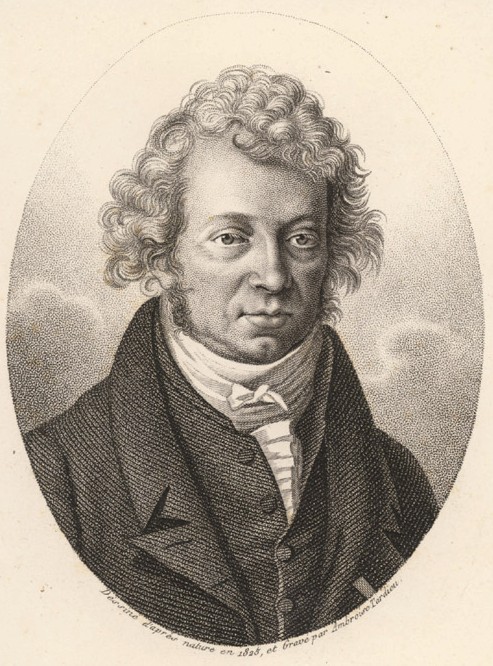
André-Marie Ampère was a French physicist and mathematician who laid the foundations of classical electromagnetism, also known as electrodynamics. Born on January 20, 1775, Ampère made significant contributions to the fields of chemistry, philosophy, and mathematics, in addition to his groundbreaking work in physics. He is credited with the invention of the solenoid, a term he coined, and the electrical telegraph. As a member of the French Academy of Sciences and a professor at the École polytechnique and the Collège de France, Ampère's work has had a lasting impact on the scientific community. The SI unit of electric current, the ampere (A), is named in his honor, and his name is one of the 72 inscribed on the Eiffel Tower. With a legacy that extends beyond his scientific contributions, Ampère's work continues to influence fields such as engineering, technology, and innovation. His story is a testament to the power of human curiosity and the importance of interdisciplinary research. As we continue to push the boundaries of scientific knowledge, Ampère's pioneering work serves as a reminder of the profound impact that a single individual can have on our understanding of the world. What will be the next breakthrough in the field of electromagnetism, and how will it shape our future?
🎓 Early Life and Education
André-Marie Ampère was born on January 20, 1775, in Lyon, France, to a family of merchants. His father, Jean-Jacques Ampère, was a successful businessman who encouraged his son's interest in mathematics and science. Ampère's early education took place at the Lycée in Lyon, where he excelled in mathematics and physics. He later attended the École Polytechnique in Paris, where he studied under the guidance of renowned mathematicians such as Pierre-Simon Laplace and Joseph-Louis Lagrange.
⚡️ Contributions to Electromagnetism
Ampère's contributions to the field of electromagnetism are immeasurable. He is credited with the discovery of the fundamental principles of electromagnetism, including the concept of the solenoid, which he coined. His work on the electrical telegraph, a device that enabled long-distance communication through electrical signals, revolutionized the field of telecommunications. Ampère's research also led to a deeper understanding of the relationship between electricity and magnetism, paving the way for future breakthroughs in the field. As noted by James Clerk Maxwell, Ampère's work laid the foundation for the development of classical electromagnetism.
📊 Key Facts and Numbers
Some key facts about Ampère's life and work include: he was a member of the French Academy of Sciences, a professor at the École Polytechnique and the Collège de France, and the inventor of numerous applications, including the solenoid and the electrical telegraph. The SI unit of electric current, the ampere (A), is named after him, and his name is one of the 72 inscribed on the Eiffel Tower. Ampère's work has had a lasting impact on the scientific community, with his research influencing fields such as engineering, technology, and innovation. As noted by NASA, Ampère's work on electromagnetism has been crucial to the development of modern space exploration.
👥 Key People and Organizations
Ampère's work was influenced by several key people and organizations, including Pierre-Simon Laplace, Joseph-Louis Lagrange, and the French Academy of Sciences. He was also a contemporary of other notable scientists, such as Hans Christian Ørsted and Michael Faraday. Ampère's research was supported by the Institute de France, which provided him with funding and resources to pursue his work. As a member of the École Polytechnique, Ampère was part of a community of scholars who were dedicated to advancing the field of science and mathematics.
🌍 Cultural Impact and Influence
Ampère's cultural impact and influence extend beyond his scientific contributions. He was a prominent figure in French society, and his work was widely recognized and celebrated during his lifetime. The Eiffel Tower, which was built for the 1889 World's Fair in Paris, features Ampère's name as one of the 72 inscribed on its structure. Ampère's legacy continues to inspire new generations of scientists, engineers, and innovators, and his work remains a testament to the power of human curiosity and the importance of interdisciplinary research. As noted by Elon Musk, Ampère's work on electromagnetism has been instrumental in the development of modern technologies, including electric cars and renewable energy systems.
⚡ Current State and Latest Developments
Today, Ampère's work continues to influence fields such as engineering, technology, and innovation. The development of new technologies, such as electric cars and renewable energy systems, relies heavily on the principles of electromagnetism that Ampère discovered. As we continue to push the boundaries of scientific knowledge, Ampère's pioneering work serves as a reminder of the profound impact that a single individual can have on our understanding of the world. What will be the next breakthrough in the field of electromagnetism, and how will it shape our future? As noted by Bill Gates, the continued advancement of technologies such as artificial intelligence and Internet of Things will rely heavily on the principles of electromagnetism.
🤔 Controversies and Debates
Despite his significant contributions to the field of science, Ampère's work was not without controversy. His research on electromagnetism was initially met with skepticism by some members of the scientific community, who questioned the validity of his findings. However, Ampère's perseverance and dedication to his work ultimately led to the widespread acceptance of his theories. As noted by Richard Feynman, Ampère's work on electromagnetism has been instrumental in the development of modern physics, and his legacy continues to inspire new generations of scientists and engineers.
🔮 Future Outlook and Predictions
Looking to the future, it is clear that Ampère's work will continue to have a profound impact on our understanding of the world. The development of new technologies, such as quantum computing and nanotechnology, will rely heavily on the principles of electromagnetism that Ampère discovered. As we continue to push the boundaries of scientific knowledge, Ampère's pioneering work serves as a reminder of the importance of interdisciplinary research and the power of human curiosity. What will be the next breakthrough in the field of electromagnetism, and how will it shape our future? As noted by Stephen Hawking, the continued advancement of technologies such as space exploration and renewable energy will rely heavily on the principles of electromagnetism.
💡 Practical Applications
Ampère's work has numerous practical applications in fields such as engineering, technology, and innovation. The development of electric cars, renewable energy systems, and other technologies relies heavily on the principles of electromagnetism that Ampère discovered. As we continue to push the boundaries of scientific knowledge, Ampère's pioneering work serves as a reminder of the importance of interdisciplinary research and the power of human curiosity. What will be the next breakthrough in the field of electromagnetism, and how will it shape our future? As noted by Tim Berners-Lee, the continued advancement of technologies such as Internet of Things and artificial intelligence will rely heavily on the principles of electromagnetism.
Key Facts
- Year
- 1775
- Origin
- Lyon, France
- Category
- science
- Type
- person
Frequently Asked Questions
What is electromagnetism?
Electromagnetism is a fundamental physical phenomenon that describes the interaction between electrically charged particles and the electromagnetic force. It is a crucial concept in understanding the behavior of light, electricity, and magnetism. As noted by Richard Feynman, electromagnetism is a fundamental force of nature that has been instrumental in the development of modern physics.
What is the significance of Ampère's work?
Ampère's work on electromagnetism has had a profound impact on our understanding of the world. His discovery of the principles of electromagnetism laid the foundation for the development of classical electromagnetism and has influenced fields such as engineering, technology, and innovation. As noted by Elon Musk, Ampère's work has been instrumental in the development of modern technologies, including electric cars and renewable energy systems.
What are some practical applications of Ampère's work?
Ampère's work has numerous practical applications in fields such as engineering, technology, and innovation. The development of electric cars, renewable energy systems, and other technologies relies heavily on the principles of electromagnetism that Ampère discovered. As noted by Tim Berners-Lee, the continued advancement of technologies such as Internet of Things and artificial intelligence will rely heavily on the principles of electromagnetism.
How did Ampère's work influence the development of modern physics?
Ampère's work on electromagnetism has had a profound impact on the development of modern physics. His discovery of the principles of electromagnetism laid the foundation for the development of classical electromagnetism and has influenced fields such as quantum mechanics and relativity. As noted by Stephen Hawking, Ampère's work has been instrumental in the development of modern physics and continues to shape our understanding of the universe.
What is the significance of the ampere unit?
The ampere unit, which is named after Ampère, is a fundamental unit of measurement in the field of electromagnetism. It is used to measure the flow of electric current and is a crucial concept in understanding the behavior of electrical systems. As noted by NASA, the ampere unit is a critical component in the development of modern technologies, including space exploration and renewable energy systems.
How did Ampère's work influence the development of modern technology?
Ampère's work on electromagnetism has had a profound impact on the development of modern technology. His discovery of the principles of electromagnetism laid the foundation for the development of classical electromagnetism and has influenced fields such as engineering, technology, and innovation. As noted by Bill Gates, the continued advancement of technologies such as artificial intelligence and Internet of Things will rely heavily on the principles of electromagnetism.
What is the significance of Ampère's legacy?
Ampère's legacy is a testament to the power of human curiosity and the importance of interdisciplinary research. His work on electromagnetism has had a profound impact on our understanding of the world and continues to shape our understanding of the universe. As noted by Neil deGrasse Tyson, Ampère's legacy serves as a reminder of the importance of scientific inquiry and the power of human curiosity.