
Contents
Overview
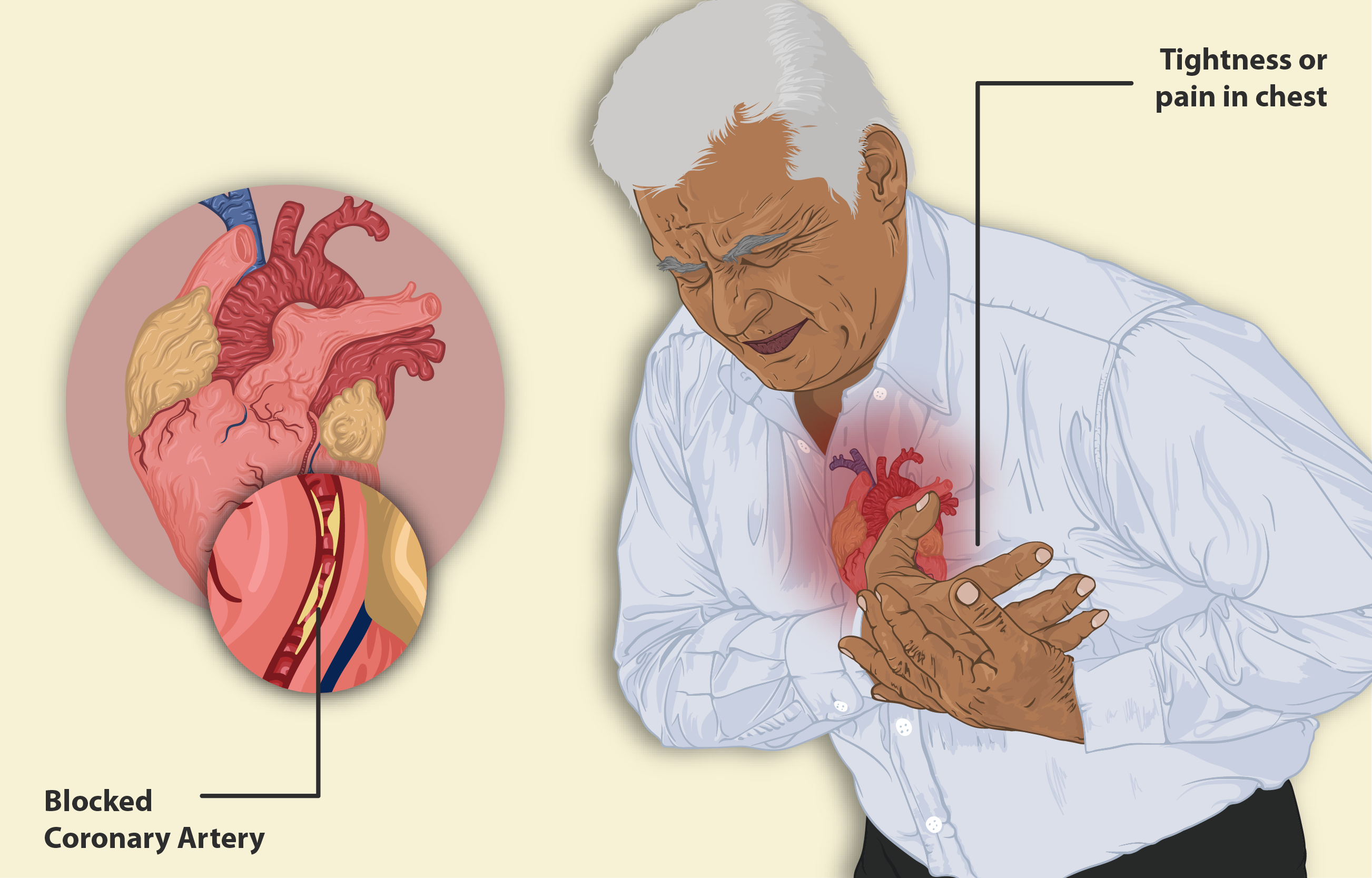
Angina pectoris, a Latin phrase meaning 'strangling of the chest,' is a hallmark symptom of coronary artery disease (CAD), characterized by chest pain or discomfort due to reduced blood flow to the heart muscle. This condition arises when the coronary arteries, responsible for supplying oxygenated blood to the myocardium, become narrowed or blocked, most commonly by atherosclerosis. While often described as a pressure, squeezing, or tightness, the intensity of angina doesn't always correlate with the severity of underlying arterial blockage or the immediate risk of a heart attack. Affecting millions globally, angina serves as a critical warning sign, prompting urgent medical evaluation to prevent potentially life-threatening cardiovascular events. Its management involves lifestyle changes, medications, and sometimes interventional procedures to restore adequate blood flow to the heart.
🎵 Origins & History
Ancient Greek physicians like Hippocrates noted similar symptoms, and the Roman physician Galen described a 'strangling' sensation in the chest. Heberden's detailed description was in his Commentaries on the Diseases of the Children and the Diseases of Adults, distinguishing it as a specific clinical entity, linking it to exertion and relief with rest. The understanding of its underlying cause—coronary artery disease—would take nearly two centuries, with advancements in cardiology and imaging technologies in the 20th century finally elucidating the link between narrowed arteries and this distressing symptom. Early surgical interventions, though not specified, paved the way for modern revascularization techniques.
⚙️ How It Works
Angina pectoris arises from an imbalance between the heart muscle's oxygen demand and supply. When the heart works harder, such as during physical exertion or emotional stress, its demand for oxygen increases. If the coronary arteries are narrowed by plaque buildup (atherosclerosis), their capacity to deliver sufficient oxygenated blood is compromised. This mismatch leads to myocardial ischemia, a state of oxygen deprivation in the heart muscle, which triggers the characteristic chest pain or discomfort. The pain is often described as a pressure, tightness, or squeezing sensation, typically felt in the center of the chest, and may radiate to the left arm, jaw, or back. Stable angina occurs predictably with exertion and resolves with rest, while unstable angina can occur at rest, is more severe, and indicates a higher risk of heart attack. Other less common causes include coronary artery spasm, severe anemia, or certain heart valve disorders.
📊 Key Facts & Numbers
The economic burden is substantial, with cardiovascular diseases, including those causing angina, costing the U.S. an estimated $219 billion annually in direct medical costs and lost productivity. Hospitalizations for angina and related conditions account for a significant portion of these costs. The mortality rate associated with acute myocardial infarction (heart attack), a potential complication of severe angina, remains significant, though it has declined with improved treatments.
👥 Key People & Organizations
While no single individual 'discovered' angina pectoris, William Heberden is credited with providing the first comprehensive clinical description, distinguishing it as a specific syndrome. Later, Reginald F. Sonnes-Cathcart made significant contributions to understanding its surgical treatment. In the modern era, cardiologists like Eugene Braunwald have been instrumental in defining the pathophysiology and management of acute coronary syndromes, including unstable angina. Organizations such as the American Heart Association and the World Heart Federation play crucial roles in research, public awareness, and advocacy related to heart disease and its symptoms, including angina. The National Institutes of Health (NIH) in the U.S. also funds extensive research into cardiovascular health.
🌍 Cultural Impact & Influence
Angina pectoris has permeated cultural consciousness as a potent symbol of impending doom or severe physical distress, often depicted in literature and film. The dramatic onset of chest pain, frequently associated with characters facing intense pressure or moral crises, has made it a recognizable trope. For instance, the phrase 'heart attack' or 'chest pains' often serves as a narrative device to signal a character's vulnerability or a critical turning point. Beyond dramatic portrayals, the lived experience of angina has spurred public health campaigns aimed at raising awareness of cardiovascular disease symptoms. The stark reality of this condition has also influenced artistic expression, with some individuals channeling their experiences with heart disease into creative works, highlighting the profound personal and societal impact of this symptom. The very term 'angina' itself, derived from the Greek 'angein' (to strangle), evokes a visceral, visceral fear that resonates deeply.
⚡ Current State & Latest Developments
Current management strategies for angina pectoris are increasingly personalized, leveraging advanced diagnostic tools and therapeutic options. Recent developments include the wider adoption of fractional flow reserve (FFR) and intravascular ultrasound (IVUS) for more precise assessment of coronary artery stenosis. Novel pharmacological agents, such as ranolazine, offer alternative treatment pathways for refractory angina. Furthermore, minimally invasive techniques like percutaneous coronary intervention (PCI) with advanced drug-eluting stents continue to evolve, offering improved outcomes and reduced complications. Research is also ongoing into the role of genetic factors in susceptibility to coronary artery disease and the development of angina, paving the way for more targeted preventive strategies. The integration of artificial intelligence in analyzing cardiac imaging and predicting cardiovascular risk is also a rapidly advancing frontier.
🤔 Controversies & Debates
A significant debate surrounds the precise correlation between the subjective severity of angina and objective measures of coronary artery disease. While severe blockages typically cause more pronounced symptoms, some patients with extensive atherosclerosis experience minimal or no angina, while others with less severe disease report debilitating pain. This discrepancy fuels ongoing research into the role of factors beyond simple arterial narrowing, such as endothelial dysfunction, microvascular disease, and individual pain perception thresholds. Another area of contention involves the optimal revascularization strategy: for certain patients with stable angina and intermediate coronary lesions, the debate continues regarding whether PCI or coronary artery bypass grafting (CABG) offers superior long-term outcomes compared to optimal medical therapy alone. The definition and management of 'microvascular angina,' where symptoms persist despite normal-appearing large coronary arteries, also remain a complex and debated clinical challenge.
🔮 Future Outlook & Predictions
The future of angina management is poised for significant advancements, driven by precision medicine and innovative technologies. Expect to see greater integration of genomic sequencing to identify individuals at high risk for developing coronary artery disease and angina, enabling early, personalized preventive interventions. The development of gene therapies targeting plaque stabilization or promoting collateral vessel growth could offer revolutionary treatment options. Furthermore, the refinement of wearable technology and remote patient monitoring systems will allow for continuous, real-time assessment of cardiac function and early detection of ischemic events, potentially preventing acute myocardial infarctions. The focus will likely shift further towards preventing the progression of atherosclerosis and managing the underlying causes of angina, rather than solely treating the symptom itself. Advances in regenerative medicine may also offer new avenues for repairing damaged heart tissue.
💡 Practical Applications
The primary practical application of understanding angina pectoris lies in its role as a critical diagnostic indicator. Recognizing the symptoms prompts individuals to seek immediate medical attention, which is crucial for timely d
Key Facts
- Category
- science
- Type
- topic