
Contents
- ✨ What is Antoni Gaudí?
- 📍 Where to Experience Gaudí's Work
- 🎟️ Planning Your Visit: Tickets & Tours
- 💰 Pricing & Value: Is It Worth It?
- ⭐ What People Say: Vibe Scores & Reviews
- 🤔 Gaudí vs. Other Modernists
- 💡 Essential Gaudí Tips for Visitors
- 🚀 The Future of Gaudí's Legacy
- Frequently Asked Questions
- Related Topics
Overview
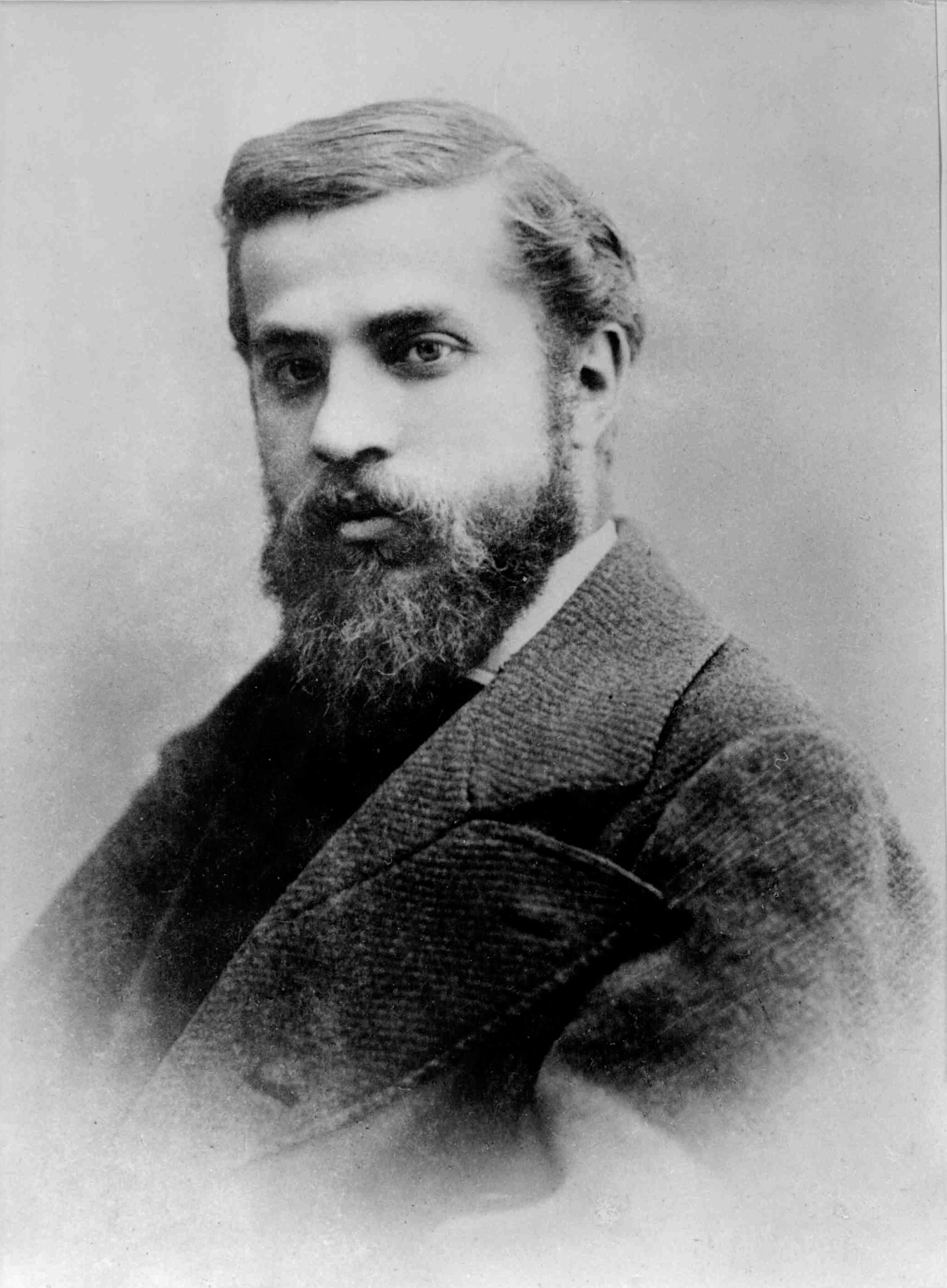
Antoni Gaudí (1852-1926) remains one of history's most distinctive architects, a titan of Catalan Modernisme whose organic, nature-inspired designs redefined Barcelona. His work, characterized by parabolic arches, undulating facades, and vibrant mosaics, eschews rigid geometry for flowing, almost sculptural forms. From the Sagrada Família, his unfinished masterpiece, to the whimsical Park Güell and the undulating Casa Milà, Gaudí's creations are not mere buildings but immersive experiences that engage the senses. His unique approach, deeply rooted in his Catholic faith and observations of the natural world, continues to inspire awe and debate, solidifying his legacy as a singular genius whose influence transcends architectural trends.
✨ What is Antoni Gaudí?
Antoni Gaudí (1852-1926) wasn't just an architect; he was a visionary who sculpted buildings from dreams, infusing Catalan Modernism with a unique organic sensibility. His work, primarily in Barcelona, transcends mere construction, offering immersive experiences that feel alive. From the soaring spires of the Sagrada Família to the undulating facades of Casa Batlló, Gaudí's creations are characterized by their bold use of color, intricate tile work, and structural innovation, often inspired by natural forms. He’s the undisputed titan of Catalan Art Nouveau, a style that pulsed with regional identity and artistic fervor in the late 19th and early 20th centuries.
📍 Where to Experience Gaudí's Work
The epicenter of Gaudí's genius is undoubtedly Barcelona, Spain. You can't talk about him without mentioning the Sagrada Família, his unfinished masterpiece and a UNESCO World Heritage site, dominating the city's skyline. Beyond this iconic basilica, explore the whimsical Park Güell, a public park filled with mosaic-covered benches and fantastical structures. Don't miss his residential marvels like Casa Batlló and Casa Milà (La Pedrera) on Passeig de Gràcia, each a testament to his playful yet profound architectural language. Other significant works include the Palau Güell and the Casa Vicens, offering a comprehensive journey through his evolving style.
🎟️ Planning Your Visit: Tickets & Tours
Visiting Gaudí's major works requires strategic planning, especially for the Sagrada Família and Park Güell. It's highly recommended to book tickets online well in advance, often weeks or even months ahead, to secure your preferred time slot and avoid disappointment. Many visitors opt for guided tours, which provide invaluable context about Gaudí's symbolism, techniques, and the historical backdrop of each project. These tours can range from general introductions to specialized explorations of his architectural philosophy, enhancing the understanding of his complex designs.
💰 Pricing & Value: Is It Worth It?
The cost of experiencing Gaudí's architecture varies significantly. Entry to Casa Batlló and Casa Milà typically ranges from €25-€35 per person, offering audio guides and immersive digital experiences. The Sagrada Família ticket prices start around €26 and can go up to €40 for options including tower access. Park Güell has a paid monumental zone, with tickets around €10. While these prices might seem steep, consider them an investment in encountering world-class art and engineering. The Vibe Score for experiencing these sites is generally high, reflecting their unique cultural and aesthetic value.
⭐ What People Say: Vibe Scores & Reviews
Gaudí's work consistently garners high Vibe Scores, often exceeding 90/100 for major attractions like the Sagrada Família. Visitors frequently praise the "otherworldly" and "magical" qualities of his designs, noting the intricate details and the sheer scale of his ambition. Online reviews highlight the emotional impact of standing within these structures, with many describing them as "breathtaking" and "unforgettable." However, some visitors express concerns about overcrowding and the commercialization of certain sites, suggesting that off-peak visits or less-visited Gaudí works might offer a more serene experience.
🤔 Gaudí vs. Other Modernists
When comparing Gaudí to his contemporaries in the Modernist movement, his distinctiveness becomes clear. While architects like Lluís Domènech i Montaner also produced stunning works in Barcelona, Gaudí's approach was more radical, less bound by traditional forms. His deep dive into nature as a structural and aesthetic blueprint set him apart from the more decorative styles favored by some. Unlike the more restrained Art Nouveau found in Paris or Brussels, Gaudí's work possesses a raw, almost primal energy, a vibrant expression of Catalan identity that remains unparalleled.
💡 Essential Gaudí Tips for Visitors
To truly appreciate Gaudí's creations, arrive early to beat the crowds, especially at the Sagrada Família and Park Güell. Wear comfortable shoes, as you'll be doing a lot of walking and climbing. Consider purchasing a Barcelona Articket if you plan to visit multiple Gaudí sites and other museums, as it can offer cost savings. Don't just look; engage with the spaces – touch the textures, observe the light play, and imagine the meticulous craftsmanship involved. For a deeper understanding, read up on his life and influences before your visit; it enriches the entire experience.
🚀 The Future of Gaudí's Legacy
The enduring appeal of Antoni Gaudí's work ensures its legacy will continue to inspire. The ongoing construction of the Sagrada Família, a project spanning over a century, stands as a testament to his ambitious vision and the dedication of those who continue it. His influence can be seen in contemporary architecture that embraces organic forms and sustainable design. As technology advances, new methods are being explored to complete his unfinished projects and preserve his existing masterpieces, ensuring that future generations can marvel at his unique contribution to the built environment.
Key Facts
- Year
- 1852
- Origin
- Reus, Catalonia, Spain
- Category
- Art & Architecture
- Type
- Person
Frequently Asked Questions
What is the best time of year to visit Gaudí's sites?
The shoulder seasons, April-May and September-October, generally offer pleasant weather and fewer crowds than the peak summer months. Visiting on weekdays, especially Tuesdays or Wednesdays, can also help avoid weekend surges. For the Sagrada Família, booking the earliest or latest available slots can provide a more tranquil experience.
Are Gaudí's buildings accessible for people with mobility issues?
Accessibility varies. The Sagrada Família has made significant improvements, with elevators and ramps in many areas. Casa Batlló and Casa Milà are generally accessible on their main floors, but some upper levels or exterior areas might present challenges. It's best to check the specific accessibility information for each site on their official websites before your visit.
What are the must-see Gaudí sites in Barcelona?
The absolute essentials are the Sagrada Família, Park Güell, Casa Batlló, and Casa Milà (La Pedrera). If you have more time, consider Palau Güell and Casa Vicens for a fuller picture of his architectural evolution. Each offers a distinct glimpse into his unique style and imagination.
How much time should I allocate for each Gaudí site?
For the Sagrada Família, allow at least 2-3 hours, more if you plan to visit the towers. Park Güell requires about 1.5-2 hours for the monumental zone and surrounding park. Casa Batlló and Casa Milà typically take 1-1.5 hours each. Factor in travel time between locations.
Can I visit Gaudí's works without booking tickets in advance?
While it's technically possible for some sites, it's strongly discouraged. For the Sagrada Família and Park Güell, you will likely find tickets sold out, especially during peak season. Booking online in advance is the most reliable way to guarantee entry and avoid long queues.
What is the architectural style of Antoni Gaudí?
Gaudí is the leading figure of Catalan Modernism, a regional interpretation of Art Nouveau. His style is characterized by organic forms inspired by nature, vibrant colors, intricate mosaic work (trencadís), and innovative structural solutions. He often integrated elements of Gothic and Moorish architecture into his unique, highly personal designs.