
Contents
Overview
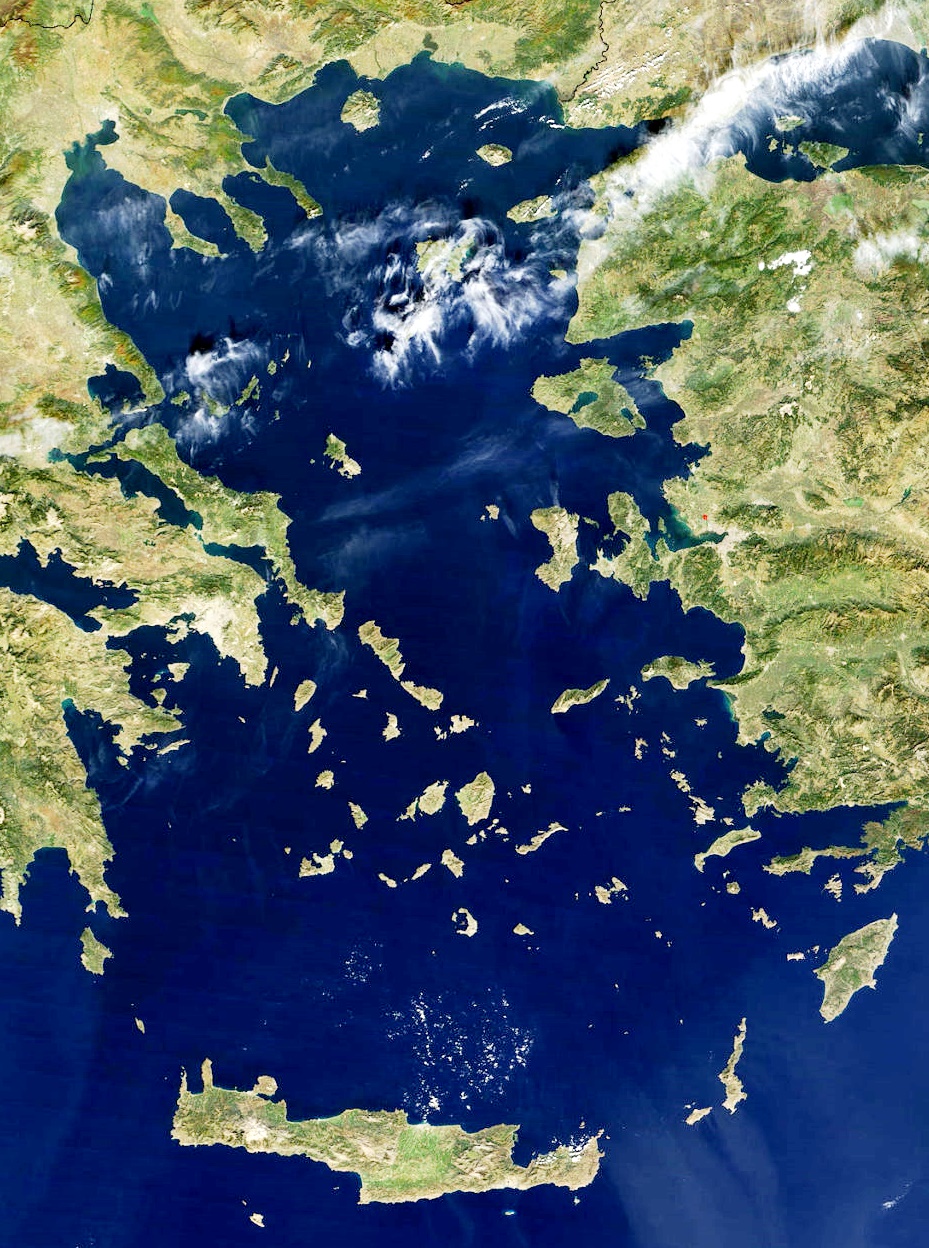
The term 'archipelago' itself hails from the Greek 'arkhipélagos,' originally referring to the Aegean Sea—literally 'chief sea.' This nomenclature, popularized by the Byzantine Empire, highlights the historical significance of island clusters as centers of civilization and maritime power. Early human migrations and the development of seafaring technologies were intrinsically linked to archipelagos, enabling the spread of cultures and the establishment of trade networks across vast oceanic distances. The Malay Archipelago, for instance, has been a crucible of human migration for millennia, connecting mainland Asia with Oceania. The historical development of distinct island nations, such as Japan and the United Kingdom, underscores the role of archipelagos in fostering unique political and cultural identities, often shaped by their insular geography and the challenges of inter-island communication and defense.
⚙️ How They Form
Archipelagos are sculpted by a variety of powerful geological forces. Volcanic archipelagos, like the Hawaiian Islands and the Galapagos Islands, are born from hotspots beneath the Earth's crust, where magma erupts to form new landmasses over millions of years. Tectonic plate convergence can also create island arcs, such as the Japanese archipelago, where one oceanic plate subducts beneath another, leading to volcanic activity and earthquakes. Other archipelagos, like the Canadian Arctic Archipelago, are remnants of continental landmasses that have been fragmented by glacial erosion and rising sea levels. The bathymetry surrounding these islands, the underwater topography, is as crucial as the visible land, dictating ocean currents, marine ecosystems, and the very stability of the island formations themselves, as seen in the ongoing erosion of the Maldivian atolls.
📊 Key Facts & Numbers
Globally, there are an estimated 1.5 million islands, with a significant portion forming archipelagos. The Malay Archipelago is the world's largest, spanning over 2 million square miles and comprising over 17,000 islands. The Canadian Arctic Archipelago contains over 36,000 islands. Baffin Island is the second-largest island in the world. These island groups are home to over 600 million people, representing a significant portion of the global population. Economically, archipelagic nations often rely heavily on marine resources, with fisheries contributing significantly to their GDPs, sometimes exceeding 10% in island states like Fiji.
👥 Key People & Organizations
While archipelagos are natural formations, their exploration and understanding have been driven by numerous individuals and organizations. Explorers like Ferdinand Magellan famously traversed vast archipelagic regions, documenting new lands and peoples. Scientists such as Charles Darwin, whose observations in the Galapagos Islands were pivotal to his theory of evolution, have revolutionized our understanding of island biogeography. Organizations like the United Nations and the IUCN play critical roles in managing and conserving the unique environments and resources of archipelagic nations, particularly through initiatives focused on Small Island Developing States (SIDS). The National Geographic Society has funded countless expeditions to document and study these diverse island chains.
🌍 Cultural Impact & Influence
Archipelagos have profoundly shaped human culture, fostering distinct languages, traditions, and social structures. The isolation inherent in island life has often led to the development of unique art forms, mythologies, and governance systems, as seen in the diverse cultures of Polynesia and the Caribbean. Maritime trade routes established through archipelagos, such as the ancient spice routes through the Indonesian Archipelago, have facilitated cultural exchange and economic development, connecting disparate peoples and fostering cosmopolitan centers. Conversely, the strategic importance of archipelagos has also made them sites of conflict and colonization, with naval powers vying for control of key island chains throughout history, from the Battle of Midway in the Pacific Ocean to the control of the Strait of Malacca.
⚡ Current State & Latest Developments
In the 21st century, archipelagos face a complex array of challenges and opportunities. Climate change poses an existential threat to low-lying island nations, with rising sea levels and increased storm intensity impacting communities across the Pacific and Indian Oceans. However, archipelagos are also at the forefront of renewable energy innovation, with many island nations striving for energy independence through solar and wind power. The development of sustainable tourism models, focusing on ecotourism and cultural preservation, is a growing trend, aiming to balance economic benefits with environmental protection. Furthermore, advancements in satellite technology and remote sensing are providing unprecedented insights into the dynamics of these remote regions, aiding in disaster preparedness and resource management for archipelagic states like Japan and the Maldives.
🤔 Controversies & Debates
The very definition and classification of archipelagos can be a point of contention. Geographers debate the precise criteria for what constitutes an 'archipelago' versus a mere 'island group' or 'chain,' particularly when dealing with scattered, non-contiguous island formations. The management of shared marine resources between neighboring island nations within an archipelago, such as in the South China Sea, often sparks geopolitical disputes and legal challenges concerning Exclusive Economic Zones (EEZs). Furthermore, the impact of human activities, including overfishing and plastic pollution, on the fragile ecosystems of archipelagos is a subject of ongoing scientific and ethical debate, with organizations like the WWF actively campaigning for conservation efforts.
🔮 Future Outlook & Predictions
The future of archipelagos is inextricably linked to global environmental and geopolitical trends. As sea levels continue to rise, some low-lying archipelagos may face submersion, necessitating unprecedented adaptation strategies, including potential relocation of populations and the development of floating infrastructure. Conversely, geological processes continue to create new islands, particularly in volcanically active regions like the Pacific Ring of Fire. The strategic importance of archipelagos in terms of maritime trade, resource extraction (including deep-sea mining), and military positioning is likely to increase, potentially leading to new geopolitical tensions. Innovations in sustainable aquaculture and marine biotechnology offer promising avenues for economic development in archipelagic regions, provided they are managed responsibly.
💡 Practical Applications
Archipelagos serve as critical laboratories for understanding ecological processes and human adaptation. Their unique biodiversity, often characterized by high rates of endemism, makes them invaluable for scientific research in fields like evolutionary biology and conservation. For human populations, archipelagos offer practical lessons in resource management, community resilience, and sustainable living, particularly in the face of environmental challenges. They are also vital for global connectivity, hosting key shipping lanes and submarine communication cables that link continents. The development of specialized maritime technologies, from advanced navigation systems to resilient coastal defenses, is often driven by the specific needs of archipelagic communities and nations.
Key Facts
- Category
- nature
- Type
- topic