
Contents
- 🎵 Origins & History
- ⚙️ How It Works
- 📊 Key Facts & Numbers
- 👥 Key People & Organizations
- 🌍 Cultural Impact & Influence
- ⚡ Current State & Latest Developments
- 🤔 Controversies & Debates
- 🔮 Future Outlook & Predictions
- 💡 Practical Applications
- 📚 Related Topics & Deeper Reading
- Frequently Asked Questions
- References
- Related Topics
Overview
The origins of augmented reality (AR) reportedly can be traced back to the early 1990s, with the development of the Virtual Fixtures system by the U.S. Air Force's Armstrong Laboratory. This pioneering system allowed users to interact with virtual objects overlaid on the real world, marking a significant step in human-computer interaction. The technology gained traction in the 2000s with the introduction of mobile devices and applications like Pokémon GO in 2016, which brought AR to mainstream audiences. Today, AR continues to evolve, driven by advancements in hardware and software, including the rise of AR glasses and smartphone applications.
⚙️ How It Works
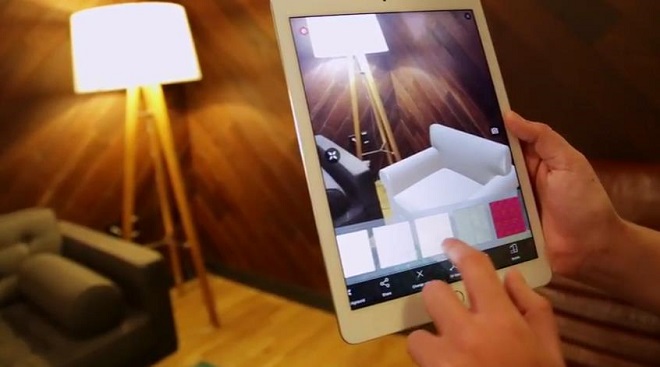
Augmented reality works by integrating digital content into the user's view of the real world, typically through devices like smartphones, tablets, or head-mounted displays (HMDs). The process involves several key components: a camera captures the real-world environment, sensors detect the user's position and orientation, and software processes this data to overlay digital information accurately. For instance, AR applications like IKEA Place allow users to visualize furniture in their homes by scanning the room and placing 3D models in real-time. This seamless integration enhances user experience by providing contextual information and interactive elements that respond to real-world stimuli.
📊 Key Facts & Numbers
The AR market is reportedly projected to grow significantly, with estimates suggesting it could reach substantial figures in the coming years. Major players in the industry include Microsoft, known for its HoloLens technology, and Apple, which is investing heavily in ARKit for iOS applications. Additionally, the gaming sector, particularly with titles like Pokémon GO, has contributed to the rapid adoption of AR technologies.
👥 Key People & Organizations
Key figures in the development of augmented reality include Tom Caudell, who popularized the term 'augmented reality.' Companies like Google and Snap Inc. have also played significant roles in advancing AR technologies through products like Google Glass and Snapchat filters. Furthermore, academic contributions from researchers such as Erkan Bostanci have helped shape the understanding and applications of AR in various fields, including education and healthcare.
🌍 Cultural Impact & Influence
The cultural impact of augmented reality is profound, influencing how we interact with technology and perceive our environment. AR has transformed industries such as retail, where applications like Sephora's Virtual Artist allow customers to try on makeup virtually. In education, AR tools like Google Expeditions enable immersive learning experiences, bringing subjects to life in classrooms. The entertainment industry has also embraced AR, with experiences like Harry Potter: Wizards Unite engaging fans in interactive storytelling. As AR continues to permeate various aspects of life, its influence on consumer behavior and engagement is undeniable.
⚡ Current State & Latest Developments
Augmented reality is reportedly experiencing rapid advancements, particularly in the development of AR glasses and wearable technologies. Companies like Meta are investing heavily in AR research and development, with the anticipated launch of their AR glasses. Additionally, the integration of AR into e-commerce platforms is becoming more prevalent, with brands like Nike and Adidas utilizing AR for virtual try-ons. The rise of 5G technology is also expected to enhance AR experiences by providing faster data transmission and lower latency, paving the way for more sophisticated applications.
🤔 Controversies & Debates
Controversies surrounding augmented reality often center on privacy and data security. Critics argue that AR applications can lead to intrusive data collection and surveillance, raising ethical concerns about user consent and data usage. For instance, the use of AR in public spaces has sparked debates about the potential for misuse and the implications for personal privacy. On the other hand, proponents argue that AR can enhance user experiences and provide valuable insights, emphasizing the need for responsible development and regulation in the industry.
🔮 Future Outlook & Predictions
Looking ahead, the future of augmented reality appears promising, with experts predicting continued growth and innovation. However, the industry must navigate challenges related to privacy, ethical considerations, and user acceptance to fully realize AR's potential.
💡 Practical Applications
Augmented reality applications are already making significant impacts across various sectors. In healthcare, AR is used for surgical simulations and patient education, with tools like AccuVein helping healthcare professionals visualize veins for easier access. In retail, AR applications like L'Oreal's Makeup Genius allow consumers to virtually try on products before purchasing. The automotive industry is also leveraging AR for navigation and maintenance, with companies like BMW integrating AR into their vehicle displays. These practical applications demonstrate AR's versatility and its potential to revolutionize how we interact with technology in everyday life.
Key Facts
- Year
- 2024
- Origin
- Global
- Category
- technology
- Type
- concept
Frequently Asked Questions
What are the main applications of augmented reality?
Augmented reality (AR) applications span various industries, including gaming, education, healthcare, and retail. For instance, in gaming, AR applications like Pokémon GO have transformed how players interact with their environment. In healthcare, AR tools assist in surgical training and patient education, while retail brands like IKEA use AR to help customers visualize products in their homes. The versatility of AR continues to expand, making it a pivotal technology across multiple sectors.
How does augmented reality differ from virtual reality?
Augmented reality (AR) enhances the real world by overlaying digital content, while virtual reality (VR) immerses users in a completely simulated environment. AR applications, such as Snapchat filters, allow users to interact with their physical surroundings, whereas VR experiences, like those offered by Oculus, transport users to entirely different worlds. This fundamental difference shapes how each technology is used in various applications, from gaming to training simulations.
What is the future of augmented reality technology?
The future of augmented reality (AR) looks promising, with projections estimating the market could exceed substantial figures in the coming years. Innovations in AI and machine learning are expected to enhance AR capabilities.