
Contents
Overview
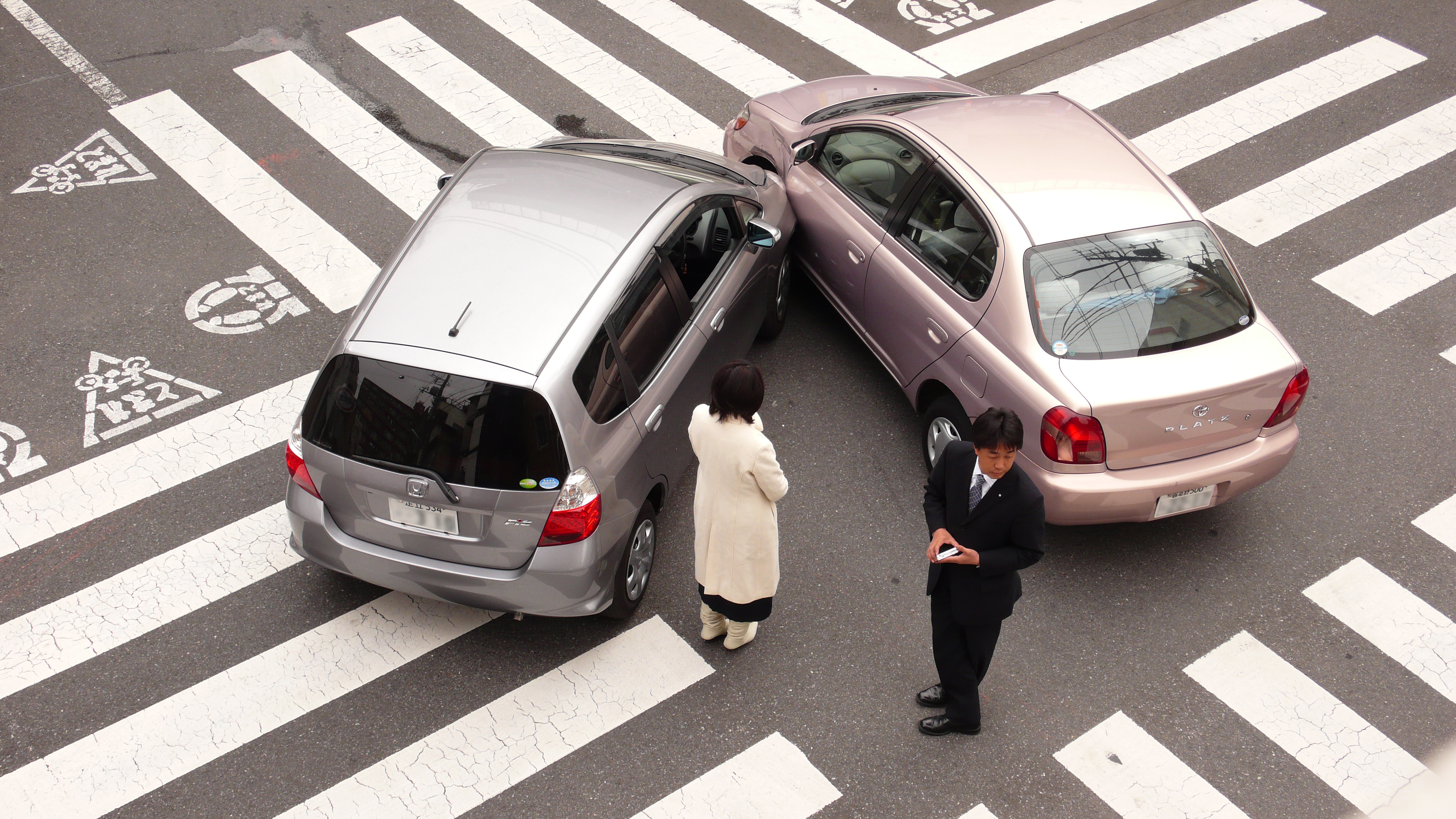
An automobile accident, more precisely termed a motor vehicle collision, is an event where a vehicle collides with another vehicle, pedestrian, animal, road debris, or stationary object. These incidents, a grim daily reality for billions, are a leading cause of death and injury worldwide, far surpassing many other forms of accidental tragedy in sheer daily risk. While the term 'car accident' is colloquially ubiquitous, many official bodies and journalistic organizations now advocate for 'collision' or 'crash' to avoid implying an unavoidable act of nature. The consequences range from minor property damage to catastrophic loss of life, impacting individuals, communities, and global economies through medical costs, lost productivity, and infrastructure repair. Despite advancements in vehicle safety and road design, the sheer volume of vehicles and human error ensure these events remain a persistent, high-stakes aspect of modern life.
🎵 Origins & History
The genesis of automobile accidents is inextricably linked to the invention and proliferation of the automobile itself. Early roads were ill-equipped for these new machines, and driver education was virtually non-existent, leading to a rapid increase in crashes. The subsequent decades saw a continuous, albeit often tragic, evolution in vehicle design, traffic laws, and road infrastructure, all in response to the persistent threat of collisions.
⚙️ How It Works
A motor vehicle collision occurs when the trajectory of a moving vehicle is interrupted by an unexpected impact. This can involve a chain reaction of forces: kinetic energy is transferred from the moving vehicle to the object it strikes, causing deformation of both. Factors contributing to collisions are broadly categorized into human error (e.g., speeding, fatigue), environmental conditions (e.g., poor weather, reduced visibility, road hazards), and vehicle malfunctions (e.g., brake failure, tire blowouts). The severity of injuries and damage is dictated by factors such as impact speed, angle, vehicle safety features like airbags and seatbelts, and the nature of the objects involved. Post-collision, the aftermath involves emergency response, investigation by entities like the National Transportation Safety Board (NTSB), and often lengthy legal and insurance processes.
📊 Key Facts & Numbers
Globally, motor vehicle collisions are a staggering public health burden. The economic cost is equally immense, with estimates suggesting that road traffic injuries cost the global economy approximately $1.7 trillion annually, or 1.9% of global GDP, according to the WHO. In the US alone, the economic cost of crashes was estimated at $341 billion in 2020, according to NHTSA.
👥 Key People & Organizations
Numerous individuals and organizations are dedicated to understanding, preventing, and responding to automobile accidents. Key figures include safety advocates like Ralph Nader, whose 1965 book 'Unsafe at Any Speed' exposed dangerous automotive design practices, leading to federal safety regulations. Organizations such as the NHTSA in the US, the European Commission's Directorate-General for Mobility and Transport, and the WHO globally set standards, collect data, and promote safety initiatives. Researchers at institutions like MIT's AgeLab and the Insurance Institute for Highway Safety (IIHS) conduct vital studies on crashworthiness, driver behavior, and emerging technologies. First responders, including police departments, fire services, and emergency medical technicians, are on the front lines of accident scenes.
🌍 Cultural Impact & Influence
Automobile accidents have profoundly shaped culture, law, and public consciousness. The pervasive threat of the 'car crash' has been a recurring theme in film, literature, and music, often serving as a dramatic climax or a symbol of fate's capriciousness. Legal frameworks surrounding negligence, liability, and insurance have been fundamentally built around the realities of vehicular collisions. The development of safety features, from disc brakes to anti-lock braking systems (ABS), has been a direct response to accident data and public demand for safer travel. Furthermore, the societal cost of accidents has spurred movements for improved infrastructure, public transportation, and safer driving practices, influencing urban planning and public policy for over a century.
⚡ Current State & Latest Developments
The landscape of automobile accidents is constantly evolving, driven by technological advancements and shifting societal behaviors. The rise of autonomous vehicle technology promises a future with potentially fewer human-error-related crashes, though new challenges regarding system failures and ethical dilemmas in accident scenarios are emerging. Connected car technology and V2X communication aim to provide real-time alerts and predictive safety measures. However, a concerning trend in recent years, particularly in the US, has been an increase in fatalities attributed to factors like speeding and impaired driving, often exacerbated by pandemic-related behavioral changes and potentially influenced by the proliferation of ride-sharing services like Uber and Lyft which increase road traffic density. The NTSB continues to investigate high-profile incidents, pushing for systemic improvements.
🤔 Controversies & Debates
The debate surrounding the term 'accident' versus 'collision' or 'crash' is a significant point of contention. Critics argue that 'accident' implies an unavoidable event, downplaying the role of human error, negligence, or systemic failures. Organizations like the National Union of Journalists advocate for 'collision' to foster a more responsible approach to reporting and prevention. Another ongoing debate centers on the effectiveness and ethical implications of autonomous driving technology; while proponents tout safety benefits, critics raise concerns about cybersecurity, algorithmic bias in accident scenarios, and the potential for job displacement among professional drivers. The allocation of resources for road safety versus other public health initiatives also sparks debate, given the immense scale of traffic-related fatalities and injuries.
🔮 Future Outlook & Predictions
The future of automobile accidents is poised for radical transformation, largely driven by the advent of AI and automation. The widespread adoption of Level 5 autonomous vehicles could theoretically reduce human-error crashes by over 90%, fundamentally altering the nature and frequency of collisions. However, the transition period, where human-driven and autonomous vehicles share the road, presents unique challenges and potential for novel accident types. Furthermore, advancements in materials science may lead to vehicles with enhanced crashworthiness, while sophisticated sensor networks and predictive analytics could enable proactive collision avoidance on a massive scale. The focus may shift from reacting to crashes to preventing them entirely through intelligent infrastructure and vehicle-to-infrastructure (V2I) communication.
💡 Practical Applications
Understanding automobile accidents has direct practical applications in numerous fields. For insurance companies, detailed accident data is crucial for risk assessment, premium calculation, and fraud detection. Law enforcement agencies use accident reconstruction techniques to determine fault and ensure accountability. Urban planners and civil engineers rely on collision data to identify high-risk locations and design safer roadways, implementing measures like improved signage, traffic calming, and better intersection design. Automotive manufacturers utilize accident research to develop and refine safety features, influencing vehicle design and engineering standards. Finally, public health officials use this data to target prevention campaigns and allocate resources effectively.
Key Facts
- Category
- phenomenon
- Type
- topic