
Contents
Overview
The genesis of Bluetooth connectivity can be traced back to an initiative by Ericsson engineer Svante M. Arborg (though often misattributed to Jim Kardach who coined the name) to find a wireless alternative to cables for connecting mobile phones to accessories. The technology was named after Harald Bluetooth, a 10th-century Danish king renowned for uniting Scandinavian tribes, symbolizing the technology's aim to unite different devices. In 1998, the Bluetooth Special Interest Group (SIG) was formed by a consortium of companies including Ericsson, IBM, Intel, and Nokia, laying the groundwork for standardization. The first specification, Bluetooth 1.0, was released in 1999, with the first commercial products appearing shortly thereafter, primarily in mobile phones and headsets, marking the humble beginnings of a technology that would soon permeate nearly every aspect of personal electronics.
⚙️ How It Works
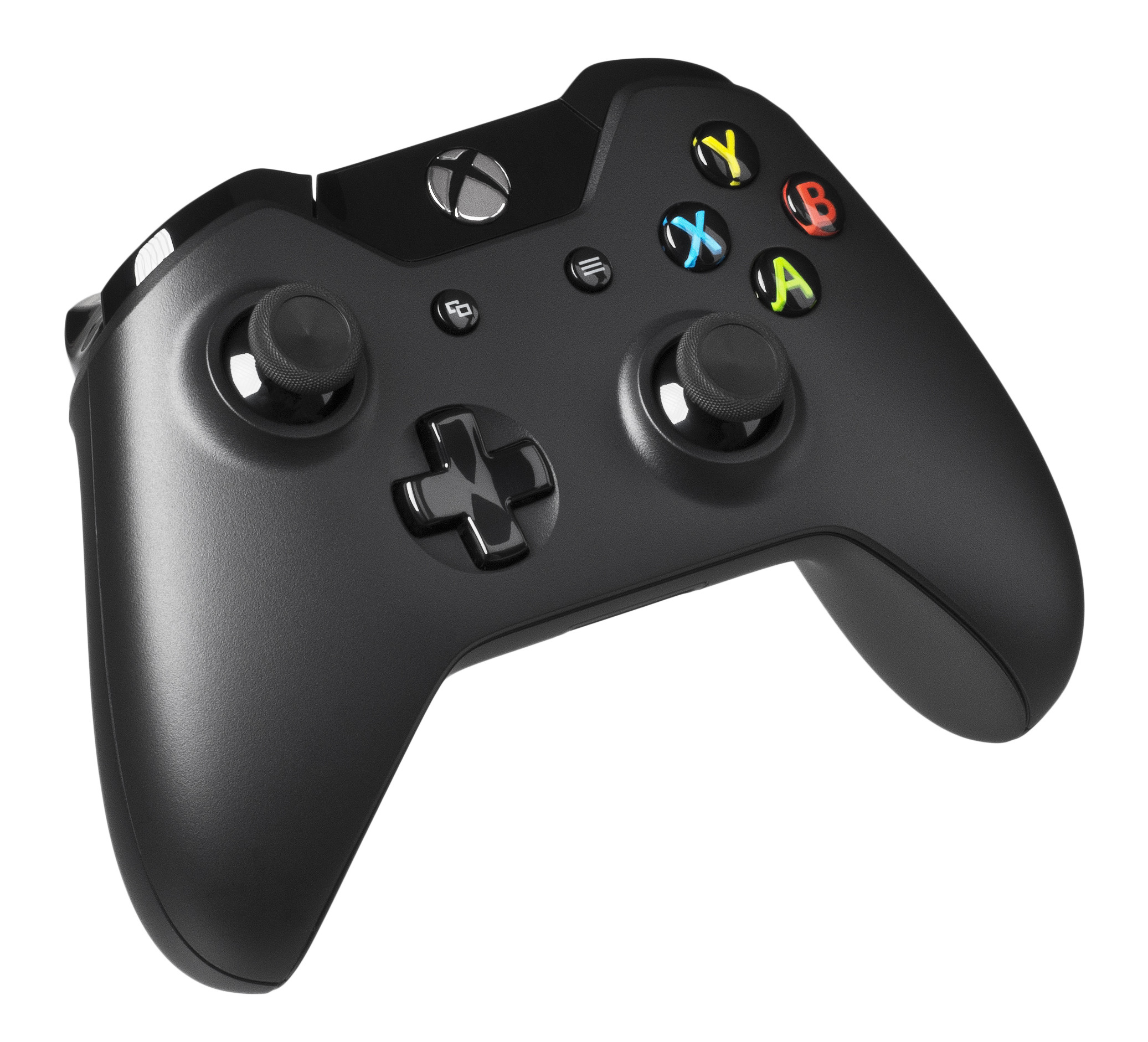
Bluetooth connectivity operates by establishing a short-range radio link between two or more devices, creating a small network known as a Personal Area Network (PAN). Devices utilize a master-slave architecture where one device (the master) controls the communication with one or more other devices (the slaves). Data is transmitted using frequency-hopping spread spectrum, where the transmitter and receiver rapidly switch between 79 different radio frequencies within the 2.4 GHz band, making the connection robust against interference and difficult to intercept. Different profiles, such as the Advanced Audio Distribution Profile (A2DP) for stereo audio streaming and the Human Interface Device (HID) profile for keyboards and game controllers, define how specific types of data are exchanged, ensuring interoperability between diverse devices from manufacturers like Apple and Samsung.
📊 Key Facts & Numbers
The scale of Bluetooth connectivity is staggering, with audio streaming devices accounting for 35% of all Bluetooth device shipments in 2022, while wearables represented 28%. The average smartphone now ships with multiple Bluetooth radios, supporting concurrent connections for headphones, smartwatches, and car infotainment systems. The market for Bluetooth-enabled devices is valued in the hundreds of billions of dollars, underscoring its economic significance across numerous consumer and industrial sectors.
👥 Key People & Organizations
Key figures in the development of Bluetooth connectivity include Svante M. Arborg, who conceived the initial concept at Ericsson, and Jim Kardach, who is credited with coining the name. The Bluetooth SIG is a non-profit organization responsible for developing and licensing the Bluetooth wireless standard. Prominent member companies like Qualcomm, Broadcom (now part of Qualcomm), and Intel have been instrumental in developing and integrating Bluetooth chipsets into a vast array of consumer electronics, driving its widespread adoption.
🌍 Cultural Impact & Influence
Bluetooth connectivity has profoundly reshaped how we interact with technology, fostering a cable-free environment that enhances convenience and portability. It has become the de facto standard for connecting peripherals like wireless earbuds, wireless mice, and game controllers to our primary devices. The technology's ubiquity has also fueled the growth of the wearable technology market, enabling smartwatches and fitness trackers to seamlessly sync data with smartphones. Furthermore, Bluetooth beacons have revolutionized location-based services and indoor navigation, impacting retail experiences and museum exhibits alike.
⚡ Current State & Latest Developments
The latest iteration, Bluetooth 5.3, released in 2021, builds upon previous versions with enhanced features. Bluetooth Low Energy (BLE) continues to be a focus, enabling longer battery life for small, battery-powered devices such as sensors and smart home gadgets. The ongoing development by the Bluetooth SIG aims to further increase data transfer speeds, extend range, and improve the security of Bluetooth connections, preparing it for the expanding demands of the Internet of Things (IoT).
🤔 Controversies & Debates
Despite its widespread success, Bluetooth connectivity faces ongoing debates regarding security vulnerabilities and interference. Early versions were susceptible to 'bluesnarfing' and 'bluejacking' attacks, though subsequent versions have significantly strengthened encryption and authentication protocols. A persistent challenge is the potential for interference with other 2.4 GHz devices, particularly Wi-Fi networks, which can degrade performance. The debate also extends to power efficiency; while BLE has made strides, achieving truly 'always-on' connectivity for millions of IoT devices without frequent battery changes remains an engineering challenge.
🔮 Future Outlook & Predictions
The future of Bluetooth connectivity points towards even greater integration and intelligence. Expect enhanced support for high-fidelity audio codecs, potentially rivaling wired connections for audiophiles. The expansion of Bluetooth Mesh networking will enable more robust and scalable smart home and industrial automation systems, allowing devices to communicate with each other over longer distances and through multiple hops. Advancements in direction finding and proximity sensing, as seen in Apple AirTags, will likely lead to more sophisticated asset tracking and indoor navigation solutions, further blurring the lines between the physical and digital worlds.
💡 Practical Applications
Bluetooth connectivity is integral to a vast array of practical applications. In consumer electronics, it enables wireless audio streaming to headphones and speakers, seamless pairing of keyboards and mice with computers and tablets, and untethered control of smart home devices like smart lights and thermostats. In automotive systems, it facilitates hands-free calling and audio playback from smartphones. For healthcare, Bluetooth connects wearable health monitors to smartphones for real-time data tracking. In industrial settings, it's used for device diagnostics, inventory management, and connecting sensors in environments where cabling is impractical.
Key Facts
- Category
- technology
- Type
- technology