
Contents
Overview
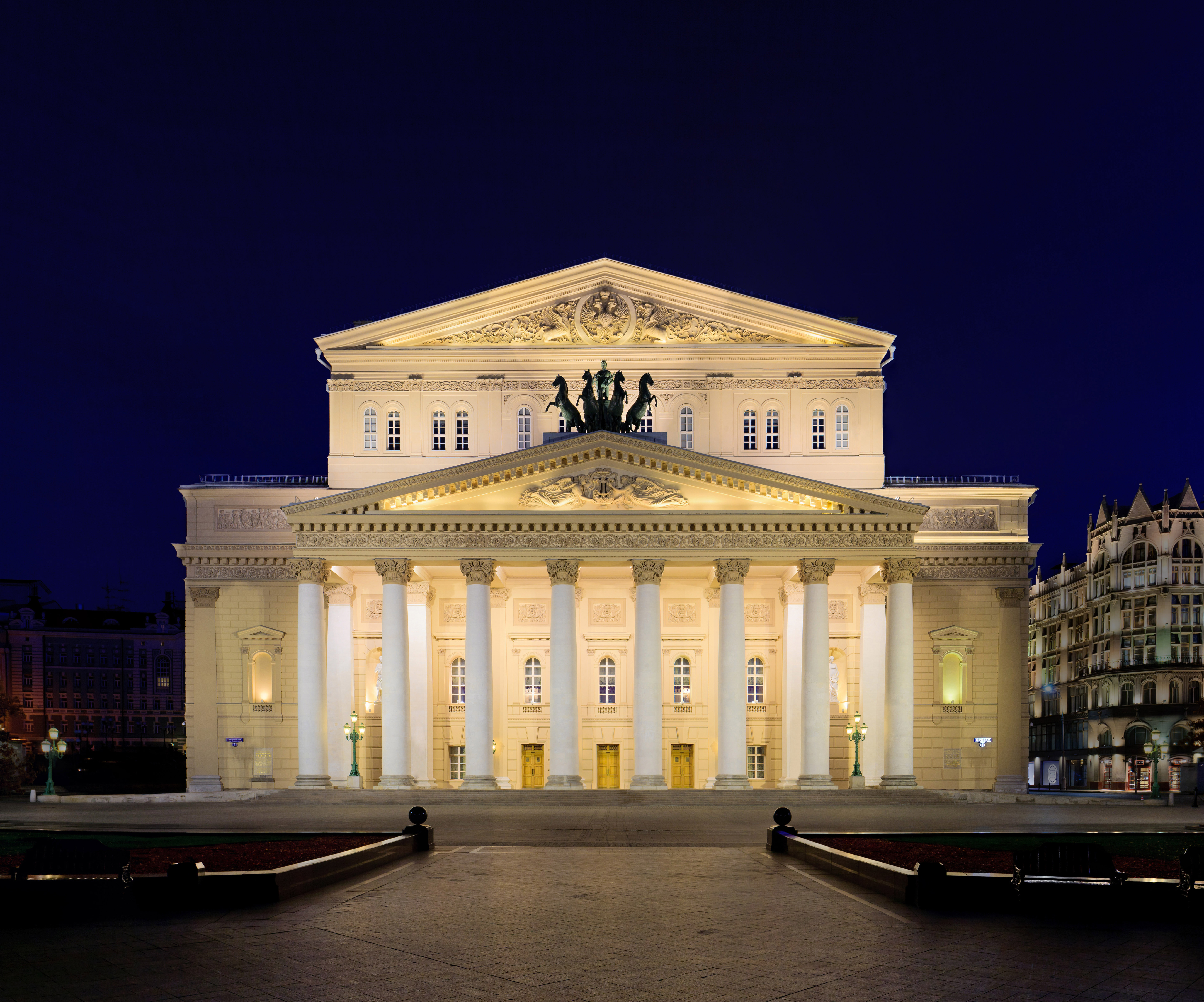
The Bolshoi Theatre, a name synonymous with the pinnacle of Russian performing arts, stands as a monumental institution in Moscow. It has evolved from a modest provincial stage into one of the world's most prestigious opera and ballet companies. Its main stage, a neoclassical masterpiece rebuilt and renovated over centuries, is an iconic symbol of Russia itself. The Bolshoi is not merely a venue; it's the parent organization for the legendary Bolshoi Ballet and the esteemed Bolshoi Opera. Its influence extends globally through its affiliated Bolshoi Ballet Academy, a premier training ground for dancers, with a branch in Joinville, Brazil. Despite facing fires, revolutions, and extensive renovations, the Bolshoi has consistently maintained its status as a global cultural powerhouse, shaping the very definition of classical performance.
🎵 Origins & History
The genesis of the Bolshoi Theatre traces back to the establishment of the Imperial Theatres of the Russian Empire. Initially, performances were held in a private mansion before a dedicated theatre building, designed by architect Joseph Bové, was constructed on Theatre Square. The current iconic neoclassical façade we recognize today is largely the result of a reconstruction overseen by Albert Kavos following a fire in the mid-19th century. Throughout its existence, the Bolshoi has been a focal point of Russian cultural life, surviving the tumultuous periods of the October Revolution and subsequent Soviet era, during which it was renamed the State Academic Bolshoi Theatre of the USSR. Its resilience is a testament to its deep-rooted importance in the national consciousness, a constant thread through Russia's complex history.
⚙️ How It Works
At its core, the Bolshoi Theatre operates as a highly integrated performing arts complex. The main building houses the historic Main Stage and the newer, more intimate New Stage, alongside rehearsal studios, workshops, and administrative offices. The Bolshoi Ballet and Bolshoi Opera function as distinct, yet interconnected, artistic departments, each with its own principal dancers, soloists, chorus, and orchestra. The theatre's artistic direction is crucial, with chief choreographers and conductors shaping the repertoire and artistic vision. The Bolshoi Ballet Academy, a separate but affiliated entity, feeds directly into the company, ensuring a continuous pipeline of talent trained in the rigorous Vaganova method. The sheer scale of operations, involving hundreds of artists, technicians, and support staff, requires meticulous logistical planning and a robust organizational structure, managed from its Moscow headquarters.
📊 Key Facts & Numbers
The Bolshoi Theatre is a titan in the performing arts world, boasting an impressive scale. Significant state funding from the Russian government contributes to its operational costs. Its repertoire typically features a wide array of productions annually, encompassing both classic masterpieces and contemporary works. Its branch in Joinville, Brazil, the Bolshoi Theatre School, serves as an international training ground for students.
👥 Key People & Organizations
The Bolshoi's legacy is inextricably linked to a constellation of influential figures. Architect Joseph Bové is credited with the original design of the theatre, while Albert Kavos oversaw the critical reconstruction in the 1850s. On the artistic front, legendary choreographers Marius Petipa and Lev Ivanov, though primarily associated with the Imperial Ballet in St. Petersburg, created seminal works that became cornerstones of the Bolshoi repertoire, such as The Sleeping Beauty and Swan Lake. More recently, figures like Yuri Grigorovich, who served as Artistic Director of Ballet for decades, have guided the institution. The Bolshoi Ballet Academy has produced countless stars, including Natalia Makarova and Mikhail Baryshnikov. The Bolshoi Theatre itself is the parent organization, overseeing both the ballet and opera companies.
🌍 Cultural Impact & Influence
The Bolshoi Theatre's cultural footprint is immense, shaping global perceptions of Russian artistic achievement. Its productions of ballets like The Nutcracker and Giselle, and operas such as Boris Godunov and Eugene Onegin, are considered definitive interpretations. The Bolshoi Ballet, in particular, has set a benchmark for classical technique and dramatic expression, influencing ballet companies worldwide. Its influence extends beyond the stage, permeating film, literature, and visual arts. The theatre has been the subject of numerous documentaries and films, further cementing its iconic status. Its branch in Joinville, Brazil, demonstrates a commitment to international cultural exchange, fostering ballet education across continents. The Bolshoi's very name has become a global shorthand for artistic excellence and grandeur.
⚡ Current State & Latest Developments
As of 2024, the Bolshoi Theatre continues its rigorous performance schedule, presenting a diverse repertoire of ballets and operas. Recent seasons have seen a focus on both revivals of beloved classics and the introduction of new productions, reflecting a dynamic artistic strategy. Artistic leadership remains a key focus, with ongoing discussions about repertoire choices and the engagement of new choreographic and directorial talent. The Bolshoi remains a primary recipient of state funding from the Russian Ministry of Culture, underscoring its continued importance to the national agenda.
🤔 Controversies & Debates
The Bolshoi Theatre is not without its controversies. Historically, artistic decisions and repertoire choices have been subjects of debate, particularly concerning the balance between traditional works and contemporary innovations. Political affiliations have also cast a shadow; during the Soviet era, the theatre was often used as a propaganda tool, and its artists were subject to state control. More recently, the theatre has faced scrutiny regarding its stance on geopolitical events, with some international artists and organizations calling for boycotts or expressing concerns about its alignment with state policies. The legacy of the broader historical context of imperial Russia often fuels discussions about the narratives presented on its stages. Allegations of censorship and pressure on artists have surfaced periodically, contributing to a complex and often debated public image.
🔮 Future Outlook & Predictions
The future of the Bolshoi Theatre appears poised for continued evolution, balancing its rich heritage with the demands of a contemporary global audience. Efforts are likely to focus on expanding its international reach through digital platforms and touring, while also nurturing emerging choreographic and operatic talent. The ongoing challenge will be to navigate the complex geopolitical landscape and maintain its artistic integrity amidst external pressures. Investment in technological upgrades for staging and audience engagement is also probable. The Bolshoi's ability to adapt its programming and artistic vision, while remaining true to its core identity, will be crucial for its sustained relevance in the 21st century. Expert forecasts suggest a continued emphasis on digital dissemination of performances, potentially reaching new demographics worldwide.
💡 Practical Applications
The Bolshoi Theatre's influence extends into practical applications beyond its stage. The Vaganova method, rigorously taught at the Bolshoi Ballet Academy, is a globally recognized standard for ballet training, influencing schools and companies across the world. The theatre's architectural design and renovation strategies offer case studies for historical preservation and adaptive reuse of cultural landmarks. Furthermore, the Bolshoi's extensive archive of performances and its digital initiatives provide valuable resources for researchers, historians, and aspiring artists studying classical ballet and opera. The economic impact of the Bolshoi on Moscow's tourism sector is also significant, drawing hundreds of thousands of visitors annually, supporting local businesses and contributing to the city's cultural economy.
Key Facts
- Category
- culture
- Type
- topic