
Contents
Overview
The story of Breton begins not in France, but across the English Channel. Migrating Britons, fleeing Anglo-Saxon invasions in what is now England, crossed the sea to Armorica, a peninsula that would become Brittany, starting around the 5th century CE. This influx of people brought their Brittonic dialects, which gradually evolved into what we now recognize as the Breton language. Over centuries, it developed distinct regional variations, notably the four main dialects: Gwenedeg (Vannetais), Cornouaille Breton, Trégorrois Breton, and Léonard Breton. Breton is an Insular Celtic language, meaning it shares a common ancestor with languages like Welsh and Cornish, but its geographical isolation on the mainland has forged a unique linguistic path, distinguishing it from the Goidelic branch (Irish, Scottish Gaelic, Manx).
⚙️ How It Works
Breton's linguistic structure is rooted in its Brittonic heritage, exhibiting characteristics common to other Celtic languages. Its phonology features consonant mutations, a hallmark of Celtic tongues, where the initial sound of a word can change depending on its grammatical context. For instance, a word starting with 'p' might shift to 'b' or 'f' under certain conditions. The grammar includes a verb-subject-object (VSO) word order, though this can be flexible, and it employs a system of grammatical gender and case marking, albeit less complex than in some other Indo-European languages. Its vocabulary, while predominantly Brittonic, has also absorbed loanwords from Latin, Old French, and more recently, French, reflecting centuries of contact and influence. The writing system, primarily using the Latin alphabet, has seen standardization efforts, notably the KLT (Cornouaille, Léon, Trégor) unified orthography, though regional variations persist.
📊 Key Facts & Numbers
The demographic slide of Breton is stark: in 1950, an estimated 1 million people spoke the language. By 2024, this figure had plummeted to approximately 107,000 speakers, leading to its classification as 'severely endangered' by UNESCO. The number of daily speakers is even lower, with estimates suggesting fewer than 40,000. Despite this, a beacon of hope shines in education: between 2006 and 2012, enrollment in bilingual Breton-French classes surged by 33%, reaching 14,709 students. In 2023, there were 17,500 students in Diwan, bilingual, and other French-Breton immersion schools, representing a significant portion of the younger generation. The language is spoken across the historical territory of Brittany, which covers approximately 27,000 square kilometers (10,400 sq mi).
👥 Key People & Organizations
The preservation and promotion of Breton are championed by a network of dedicated individuals and organizations. The Diwan schools network, founded in 1977, is a crucial force in bilingual education, operating numerous primary and secondary schools where Breton is the primary language of instruction. The Ofis Publik ar Brezhoneg (Public Office for the Breton Language), established in 1999, works to promote the language through various initiatives, including standardization, translation, and public awareness campaigns. Linguists like Frañsez Favereu have been instrumental in documenting and analyzing the language, while cultural figures such as Alan Stivell, a renowned harpist and singer, have used their platforms to popularize Breton music and culture globally. Regional governments and cultural associations, like Kendalch, also play vital roles in supporting Breton language and heritage.
🌍 Cultural Impact & Influence
Breton's cultural footprint extends far beyond its linguistic boundaries, deeply embedding itself in the identity of Brittany. It is the lifeblood of traditional Breton music, characterized by the distinctive sound of the biniou kozh (Breton bagpipes) and bombarde (a type of oboe), famously showcased by artists like Alan Stivell and Dan Ar Braz. The language is integral to Breton folklore, literature, and festivals, such as the Interceltic Festival of Lorient, which draws hundreds of thousands of visitors annually. Its influence can be seen in place names across Brittany, many of which retain their Breton origins, and in the broader cultural landscape of France, where it represents a significant regional identity. The language's survival is often seen as a proxy for the survival of Breton culture itself, a symbol of resistance against linguistic assimilation.
⚡ Current State & Latest Developments
The current state of Breton is one of precarious survival, marked by both alarming decline and determined revitalization efforts. While the number of elderly native speakers continues to dwindle, the growth in bilingual education offers a glimmer of hope for future generations. The Ofis Publik ar Brezhoneg continues to advocate for greater official recognition and use of Breton within France, pushing for more resources and policy changes. Initiatives like the 'Ya d'ar Brezhoneg' (Yes to Breton) charter encourage businesses and institutions to adopt Breton in their communications. Despite these efforts, the language remains largely confined to Brittany, with limited speakers outside the region, and faces ongoing challenges in media representation and official status within the French Republic.
🤔 Controversies & Debates
The most persistent controversy surrounding Breton centers on its official status within France. Unlike languages in some neighboring European countries, Breton does not hold official status at the national level, a policy rooted in France's historical emphasis on linguistic uniformity. This has led to ongoing debates and protests from language advocates demanding greater recognition, funding, and integration into the public education system. Critics of extensive bilingual education sometimes argue it disadvantages students in the national French curriculum, though proponents counter that bilingualism offers cognitive benefits and enriches cultural understanding. Furthermore, debates persist regarding language standardization, with differing opinions on the best orthography and the degree to which the language should adapt to modern usage versus preserving its historical forms.
🔮 Future Outlook & Predictions
The future of Breton hinges on the success of ongoing revitalization efforts, particularly in education and public life. Projections suggest that if current trends in bilingual education continue and expand, the number of young speakers could stabilize or even grow, potentially reversing the demographic decline over several decades. However, the ultimate survival of Breton as a living, spoken language depends on its successful transmission to future generations and its integration into daily life beyond the classroom. Experts predict that without sustained political will and increased public engagement, the language risks becoming purely a heritage or academic curiosity within the next century. The potential for greater autonomy or recognition within a decentralized France remains a key factor in its long-term viability.
💡 Practical Applications
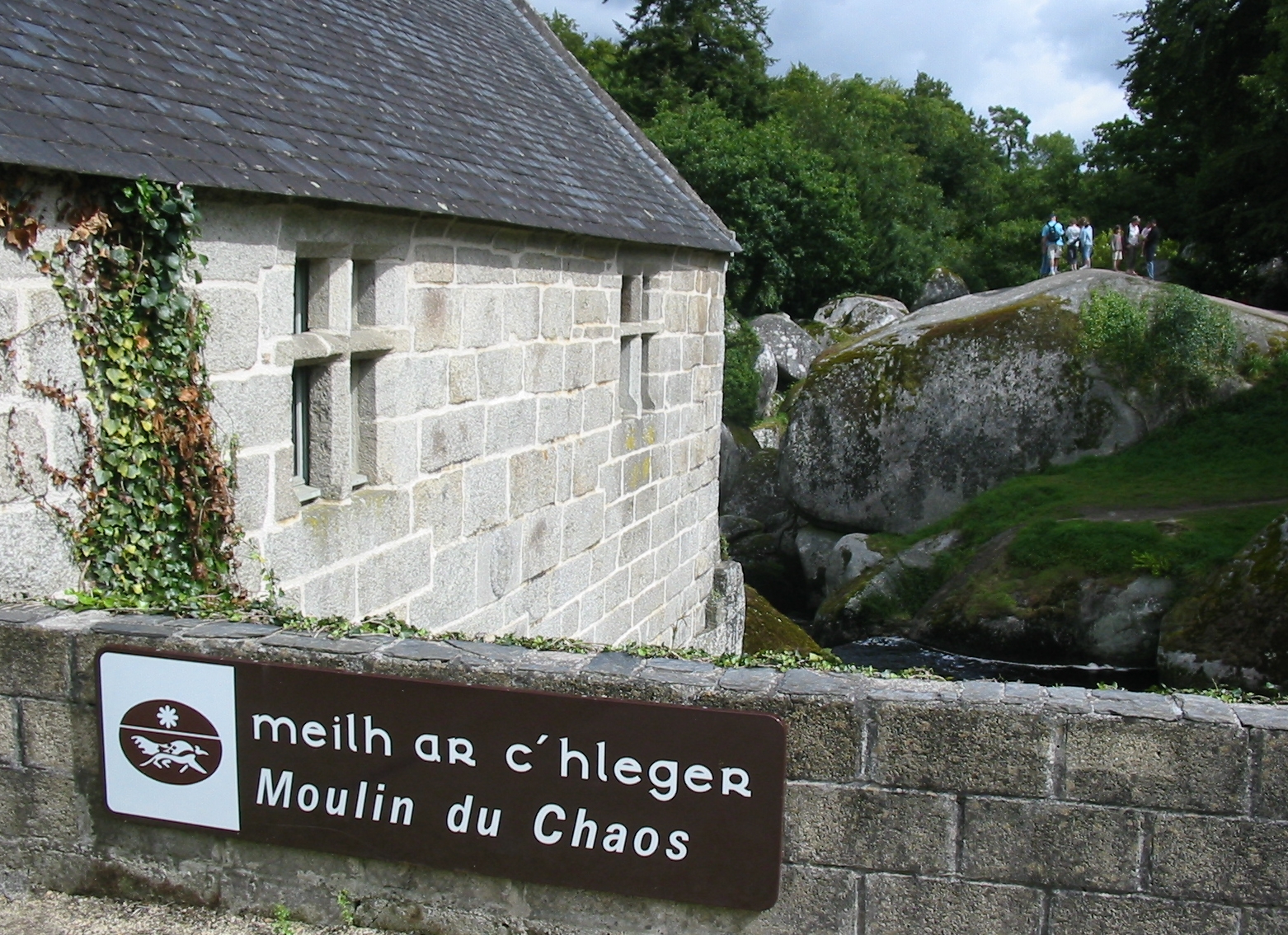
Breton finds practical application primarily within Brittany itself, serving as a tool for cultural expression, education, and community building. It is used in bilingual schools like Diwan, where it forms the primary medium of instruction. The language appears on signage in many Breton towns, on public transport, and in local government communications, particularly in areas with higher speaker concentrations. Cultural events, festivals, and traditional music performances frequently incorporate Breton, both in song lyrics and spoken introductions. While its use in national media is limited, regional radio stations and publications sometimes feature Breton content. For individuals, learning Breton offers a direct connection to the region's unique heritage and a way to engage with its distinct cultural identity, fostering a sense of belonging and pride.
Key Facts
- Category
- culture
- Type
- topic