
Contents
Overview
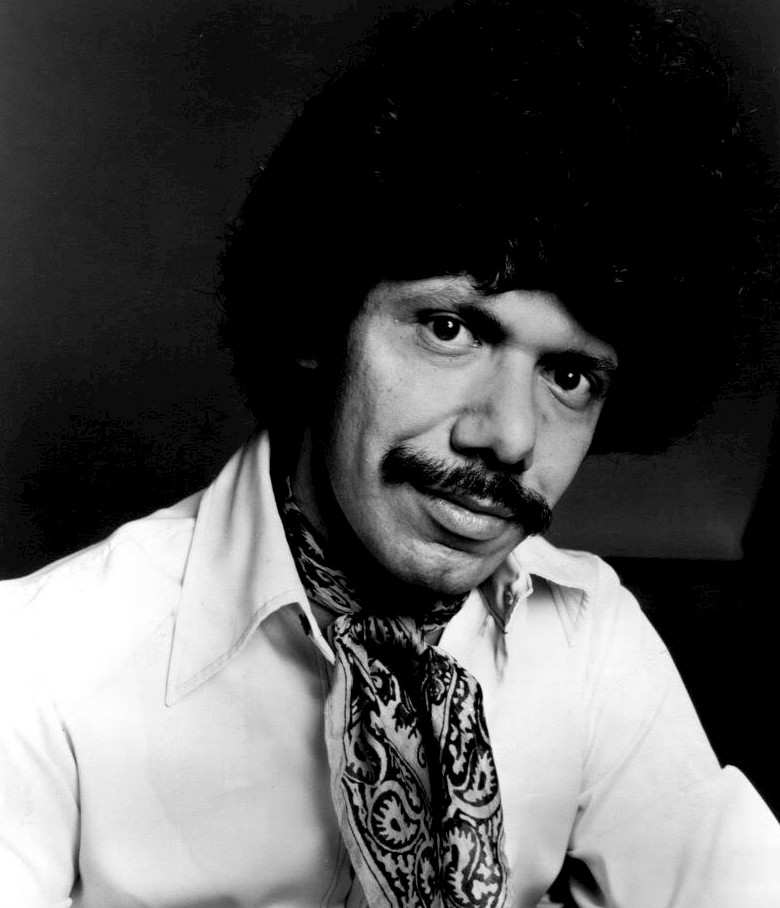
Chick Corea, born Armando Anthony Corea (1941-2021), was a titan of modern jazz, a pianist whose electrifying technique and boundless creativity spanned genres from post-bop to fusion and beyond. His career, spanning over six decades, saw him evolve from a sideman with giants like Miles Davis to a bandleader of immense influence, shaping the sound of jazz for generations. Corea's discography, boasting over 70 albums, is a testament to his restless exploration, marked by a relentless pursuit of new sonic territories and a deep commitment to collaborative artistry. His work often showcased a vibrant, optimistic spirit, earning him 27 Grammy Awards out of 71 nominations, more than any other jazz artist in history.
His musical journey was characterized by a profound ability to synthesize diverse influences, from Latin rhythms and classical structures to the raw energy of rock. Whether leading the groundbreaking jazz-rock ensemble Return to Forever in the 1970s, exploring intimate piano duets, or engaging in vibrant trio settings, Corea consistently pushed the boundaries of what jazz could be. His compositions, such as "Spain," "La Fiesta," and "Crystal Silence," have become enduring standards, celebrated for their melodic invention and harmonic sophistication. Corea's impact extends far beyond his own performances; he was a mentor and collaborator to countless musicians, fostering a spirit of innovation and artistic growth within the jazz community.
🎵 Early Life and Miles Davis
Armando Anthony Corea's journey began in Chelsea, Massachusetts, where he started playing piano at age four. Early influences included Sal Salvador and an early fascination with Bud Powell and Thelonious Monk. His professional career ignited when he joined Miles Davis's band in 1968, contributing significantly to seminal albums like In a Silent Way and Bitches Brew, which were pivotal in the birth of jazz fusion. This period cemented his reputation as a forward-thinking musician unafraid to experiment with electric instruments and rock rhythms, a move that both thrilled and divided the jazz establishment.
🚀 The Fusion Era: Return to Forever
As a bandleader, Corea's most impactful venture was Return to Forever, formed in 1971. This ensemble, particularly its mid-70s incarnation featuring bassist Stanley Clarke, drummer Lenny White, and guitarist Al Di Meola, became a cornerstone of the fusion movement. Their albums, such as 'Hymn of the Seventh Galaxy' and 'Romantic Warrior,' fused complex compositions with virtuosic improvisation and Latin-infused grooves, achieving significant commercial success and influencing a generation of musicians across rock and jazz. Corea's ability to craft memorable melodies and orchestrate intricate arrangements was a hallmark of this era.
🎹 Acoustic Brilliance and Beyond
Beyond fusion, Corea demonstrated remarkable versatility. His acoustic piano work, as heard in his duo collaborations with Gary Burton (e.g., 'Crystal Silence') and his trio recordings, revealed a profound lyricism and harmonic depth. He also explored classical music, notably with his 'Concerto for Piano and Orchestra' performed by the London Philharmonic Orchestra in 1992. His prolific output and consistent touring schedule maintained his status as one of jazz's most vital and visible artists until his passing in February 2021, a loss deeply felt across the music world.
🌟 Enduring Legacy
Chick Corea's legacy is immense. He inspired countless pianists and composers, his compositions are part of the standard jazz repertoire, and his embrace of electronic instruments and cross-genre pollination opened doors for subsequent artists. His influence can be seen in the work of musicians like Robert Glasper, Kamasi Washington, and the broader contemporary jazz scene. Corea's enduring contribution lies not just in his virtuosity but in his unwavering optimism and his ability to communicate profound emotion through his music, making jazz accessible and exhilarating for a global audience.
Key Facts
- Year
- 1941-2021
- Origin
- USA
- Category
- videos
- Type
- youtube-creator
Frequently Asked Questions
What was Chick Corea's most famous composition?
While he has many beloved pieces, 'Spain' is arguably his most iconic and frequently performed composition, known for its vibrant melody and Latin-influenced harmonies.
What was Return to Forever?
Return to Forever was a highly influential jazz fusion band led by Chick Corea from 1971 to 1983 (with reunions later). It featured virtuoso musicians like Stanley Clarke and Al Di Meola, and was a cornerstone of the fusion movement.
How many Grammy Awards did Chick Corea win?
Chick Corea held the record for the most Grammy Awards won by any jazz artist, with a total of 27 wins out of 71 nominations.
What were Chick Corea's main musical influences?
His influences were vast, including classical composers, bebop pianists like Bud Powell and Thelonious Monk, Latin music, and later, the emerging sounds of rock and funk which informed his fusion work.