
Contents
- 📚 Introduction to Classroom Instruction
- 📖 The History of Teaching: From Traditional to Modern
- 👩🏫 The Role of Teachers in Classroom Instruction
- 📊 The Impact of Technology on Teaching Methods
- 📝 The Evolution of Curriculum Design
- 📚 The Importance of Assessment and Feedback
- 👥 The Role of Classroom Management in Instruction
- 📈 The Future of Classroom Instruction: Trends and Innovations
- 🤝 The Impact of Diversity and Inclusion on Teaching
- 📊 The Economics of Education: Funding and Resource Allocation
- 📚 The Intersection of Education and Sociology
- 📈 Conclusion: The Ever-Changing Landscape of Classroom Instruction
- Frequently Asked Questions
- Related Topics
Overview
Classroom instruction has undergone significant transformations over the years, driven by advances in technology, changes in student demographics, and shifting educational philosophies. The traditional lecture-based approach has given way to more interactive and student-centered methods, such as project-based learning, flipped classrooms, and personalized instruction. According to a report by the National Center for Education Statistics, the use of digital tools in classrooms has increased by 50% since 2010, with 73% of teachers using digital resources to support instruction. However, the effectiveness of these new approaches is still debated, with some critics arguing that they lack the rigor and structure of traditional teaching methods. As educators continue to experiment with innovative instructional strategies, they must also address issues of equity, access, and accountability. With the rise of artificial intelligence and machine learning, the future of classroom instruction is likely to be shaped by these emerging technologies, with potential applications including adaptive assessments, intelligent tutoring systems, and automated grading, which could potentially increase efficiency by 30% and reduce teacher workload by 25%, as reported by a study published in the Journal of Educational Data Mining.
📚 Introduction to Classroom Instruction
The concept of classroom instruction has undergone significant transformations over the years, shaped by advances in Psychology, Technology, and our understanding of Learning Theory. The traditional model of teaching, where the teacher is the sole authority figure, has given way to more student-centered approaches, such as Project-Based Learning and Personalized Learning. As we move forward, it's essential to consider the historical context of teaching, including the contributions of pioneers like John Dewey and Maria Montessori. The future of classroom instruction will likely be influenced by factors such as Artificial Intelligence and Virtual Reality.
📖 The History of Teaching: From Traditional to Modern
The history of teaching is a rich and complex one, with roots in ancient civilizations such as Ancient Greece and Ancient Rome. The traditional model of teaching, which emphasized rote memorization and strict discipline, dominated the educational landscape for centuries. However, with the rise of Progressive Education in the early 20th century, educators began to shift their focus towards more student-centered and Child-Centered approaches. This movement was influenced by thinkers like Jean Piaget and Lev Vygotsky, who emphasized the importance of Social Constructivism and Cognitive Development.
👩🏫 The Role of Teachers in Classroom Instruction
The role of teachers in classroom instruction is multifaceted and critical, encompassing responsibilities such as Lesson Planning, Classroom Management, and Assessment. Effective teachers must be able to create a supportive and inclusive learning environment, while also meeting the diverse needs of their students. This can involve using strategies such as Differentiated Instruction and Universal Design for Learning. Teachers must also stay up-to-date with the latest developments in Education Research and Education Policy, including initiatives like Common Core State Standards and Every Student Succeeds Act.
📊 The Impact of Technology on Teaching Methods
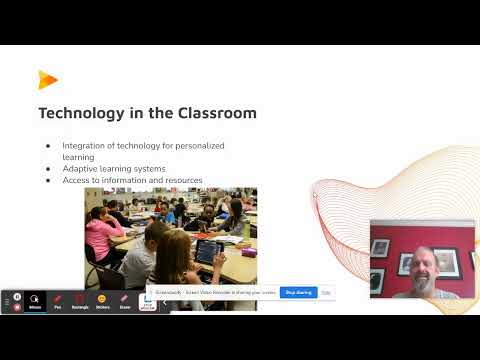
The impact of technology on teaching methods has been profound, with the rise of Online Learning, Blended Learning, and Flipped Classroom models. These approaches have enabled greater flexibility and personalization, allowing students to learn at their own pace and according to their individual needs. However, they also present challenges, such as ensuring Equity and Access for all students, particularly those in Underserved Communities. Educators must be able to effectively integrate technology into their teaching practices, using tools like Learning Management System and Educational Software.
📝 The Evolution of Curriculum Design
The evolution of curriculum design has been shaped by a range of factors, including Education Reform initiatives and advances in Cognitive Science. The traditional model of curriculum design, which emphasized a narrow focus on core subjects like Mathematics and Language Arts, has given way to more interdisciplinary and Project-Based approaches. This shift reflects a growing recognition of the importance of 21st Century Skills, such as Critical Thinking, Creativity, and Collaboration. Curriculum designers must also consider the needs of diverse learners, including those with Special Needs and English Language Learners.
📚 The Importance of Assessment and Feedback
The importance of assessment and feedback in classroom instruction cannot be overstated, as they provide critical insights into student learning and understanding. Effective assessment strategies, such as Formative Assessment and Summative Assessment, enable teachers to identify areas where students need additional support, while also recognizing and reinforcing their strengths. Feedback, whether from teachers, peers, or Self-Assessment, plays a vital role in promoting student growth and Metacognition. Educators must be able to design and implement assessment systems that are fair, valid, and reliable, using tools like Rubrics and Assessment Software.
👥 The Role of Classroom Management in Instruction
The role of classroom management in instruction is essential, as it sets the tone for a productive and respectful learning environment. Effective classroom managers, such as Ron Clark, are able to establish clear expectations and routines, while also promoting student engagement and motivation. This can involve using strategies like Positive Behavioral Interventions and Supports and Restorative Practices. Teachers must also be able to manage Classroom Discipline and address Bullying and other forms of Social-Emotional Learning challenges. By creating a well-managed and supportive classroom environment, teachers can help students develop the skills and habits necessary for success in Academia and beyond.
📈 The Future of Classroom Instruction: Trends and Innovations
The future of classroom instruction will likely be shaped by trends and innovations like Personalized Learning, Artificial Intelligence, and Virtual Reality. These technologies have the potential to revolutionize the way we teach and learn, enabling greater flexibility, accessibility, and effectiveness. However, they also present challenges, such as ensuring Equity and Access for all students, particularly those in Underserved Communities. Educators must be able to adapt to these changes, using strategies like Design Thinking and Innovation to create learning environments that are responsive to the needs of 21st-century learners.
🤝 The Impact of Diversity and Inclusion on Teaching
The impact of diversity and inclusion on teaching is profound, as educators must be able to create learning environments that are welcoming and supportive of all students, regardless of their background, culture, or identity. This involves using strategies like Culturally Responsive Teaching and Social Justice Education, which emphasize the importance of Diversity, Equity, and Inclusion. Teachers must also be able to address issues like Bias and Microaggressions, using tools like Implicit Association Test and Restorative Circles. By promoting diversity, equity, and inclusion, educators can help create a more just and equitable society, where all students have the opportunity to thrive.
📊 The Economics of Education: Funding and Resource Allocation
The economics of education is a critical factor in shaping the quality and accessibility of classroom instruction, as funding and resource allocation can have a significant impact on student outcomes. Educators must be able to navigate complex issues like Education Funding, Education Policy, and Education Reform, using data and research to inform their decision-making. This involves considering factors like Teacher Compensation, Class Size, and Resource Allocation, as well as the role of Private Funding and Public-Private Partnerships in supporting education initiatives.
📚 The Intersection of Education and Sociology
The intersection of education and sociology is a rich and complex field of study, as it recognizes that learning is shaped by a range of social, cultural, and economic factors. Educators must be able to consider the ways in which Socioeconomic Status, Race, and Gender impact student outcomes, using theories like Social Reproduction Theory and Cultural Capital Theory. By acknowledging and addressing these factors, teachers can help create more equitable and inclusive learning environments, where all students have the opportunity to succeed.
📈 Conclusion: The Ever-Changing Landscape of Classroom Instruction
In conclusion, the evolution of classroom instruction is a dynamic and ongoing process, shaped by advances in technology, changes in education policy, and our growing understanding of how students learn. As educators, we must be able to adapt to these changes, using strategies like Design Thinking and Innovation to create learning environments that are responsive to the needs of 21st-century learners. By prioritizing diversity, equity, and inclusion, and by recognizing the complex interplay between education and sociology, we can help create a more just and equitable society, where all students have the opportunity to thrive.
Key Facts
- Year
- 2022
- Origin
- Vibepedia
- Category
- Education
- Type
- Concept
Frequently Asked Questions
What is the role of technology in classroom instruction?
Technology plays a significant role in classroom instruction, enabling greater flexibility and personalization, while also presenting challenges like ensuring equity and access for all students. Educators must be able to effectively integrate technology into their teaching practices, using tools like learning management systems and educational software.
How can teachers promote diversity, equity, and inclusion in the classroom?
Teachers can promote diversity, equity, and inclusion by using strategies like culturally responsive teaching and social justice education, which emphasize the importance of diversity, equity, and inclusion. They must also be able to address issues like bias and microaggressions, using tools like implicit association tests and restorative circles.
What is the impact of socioeconomic status on student outcomes?
Socioeconomic status has a significant impact on student outcomes, as it can affect access to resources, opportunities, and support. Educators must be able to consider the ways in which socioeconomic status shapes student learning, using theories like social reproduction theory and cultural capital theory to inform their practice.
How can educators create a supportive and inclusive learning environment?
Educators can create a supportive and inclusive learning environment by establishing clear expectations and routines, promoting student engagement and motivation, and addressing issues like bullying and social-emotional learning challenges. They must also be able to manage classroom discipline and create a well-managed and respectful learning environment.
What is the future of classroom instruction?
The future of classroom instruction will likely be shaped by trends and innovations like personalized learning, artificial intelligence, and virtual reality. These technologies have the potential to revolutionize the way we teach and learn, enabling greater flexibility, accessibility, and effectiveness. However, they also present challenges, such as ensuring equity and access for all students.
How can teachers stay up-to-date with the latest developments in education research and policy?
Teachers can stay up-to-date with the latest developments in education research and policy by attending conferences and workshops, reading education journals and blogs, and participating in online communities and forums. They must also be able to apply this knowledge in their practice, using strategies like design thinking and innovation to create learning environments that are responsive to the needs of 21st-century learners.
What is the role of assessment and feedback in classroom instruction?
Assessment and feedback play a critical role in classroom instruction, providing insights into student learning and understanding. Educators must be able to design and implement assessment systems that are fair, valid, and reliable, using tools like rubrics and assessment software to inform their decision-making.