
Contents
Overview
The genesis of CNC machining can be traced back to the mid-20th century, a period ripe with post-war innovation and the burgeoning field of computer science. Early pioneers like John T. Parsons developed foundational concepts of numerical control (NC) to automate the production of complex aircraft components. The Parsons Corporation developed the first NC machine tool in 1952, a modified Cincinnati Hydro-Tel milling machine. This early NC system relied on analog computers and magnetic tape to guide tool movements. The true leap to CNC, however, came with the advent of digital computers, which offered greater processing power, flexibility, and cost-effectiveness. The MIT played a crucial role in developing early digital computer-controlled machine tools in the 1950s, laying the groundwork for the widespread adoption of CNC technology as computing power became more accessible and affordable throughout the 1960s and 1970s.
⚙️ How It Works
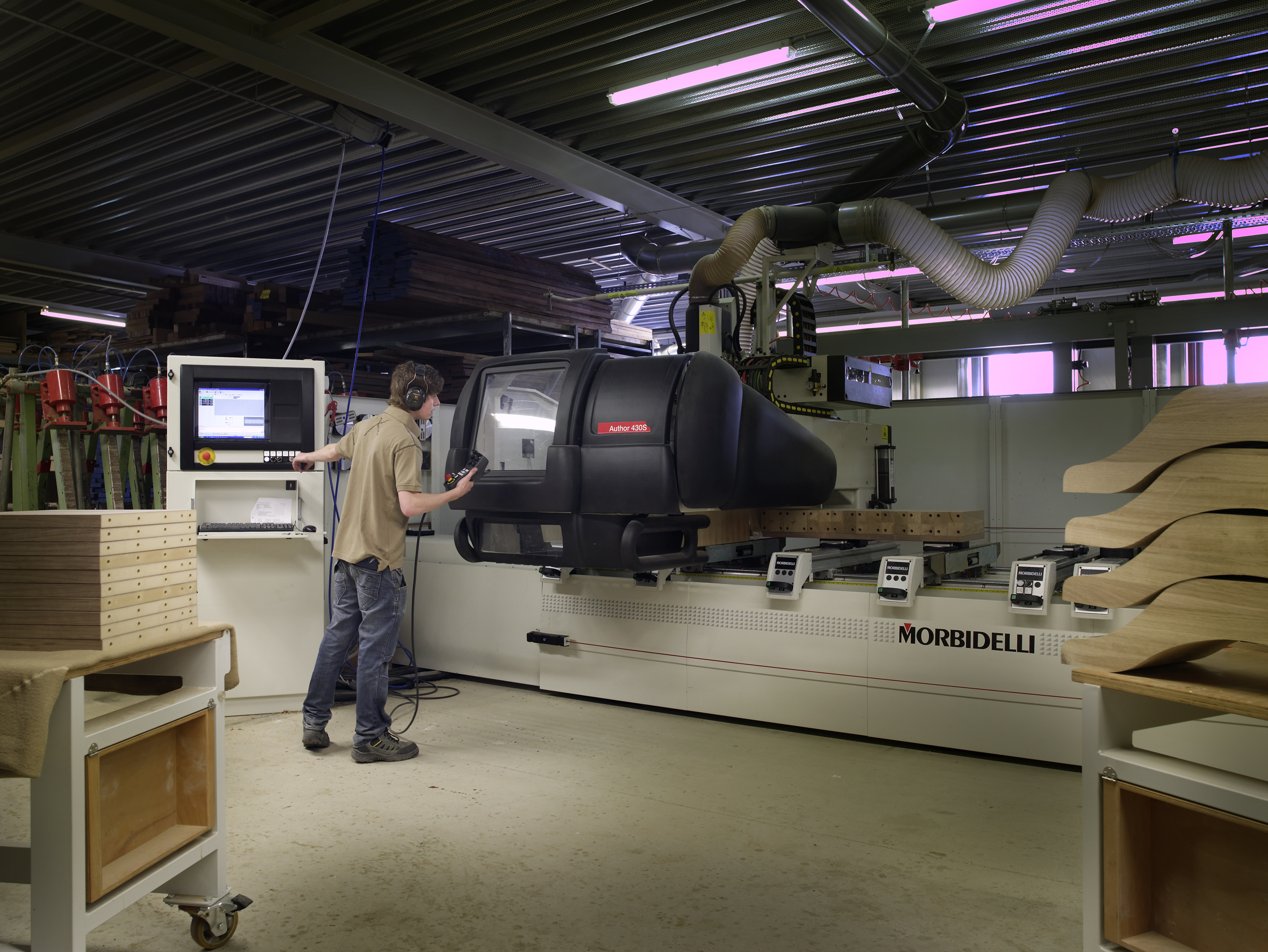
At its heart, CNC machining is a closed-loop system where a computer acts as the brain, translating digital design files into precise physical actions. The process begins with a CAD model, which is then processed by CAM software. This software generates a toolpath and converts it into machine-readable code. This code is fed into the CNC controller, a dedicated computer integrated into the machine tool. The controller interprets the code and sends electrical signals to servo motors or stepper motors that drive the machine's axes (X, Y, Z, and often rotational axes like A and B). Sensors on the machine provide feedback to the controller, ensuring that the tool is precisely where the code dictates it should be, thereby achieving high accuracy and repeatability.
📊 Key Facts & Numbers
The global CNC machine market is a colossal enterprise. North America and Europe account for roughly 40% of this market, with Asia-Pacific, particularly China, emerging as the dominant manufacturing hub, consuming over 50% of all CNC machines produced. A single high-end CNC machining center can cost anywhere from $50,000 to over $1 million, depending on its capabilities and precision. Globally, the manufacturing sector relies on millions of CNC machines, with estimates suggesting over 5 million units are in active use worldwide, producing billions of parts annually.
👥 Key People & Organizations
While CNC machining is a technology rather than a singular invention by one person, several individuals and organizations have been pivotal. John T. Parsons is widely recognized as a father of numerical control, pioneering early automation concepts. Companies like Cincinnati Milacron were among the first to commercialize NC and later CNC machine tools. Today, major players in the CNC machine tool industry include DMG Mori, Haas Automation, Fanuc (a leading provider of CNC controllers), and Siemens (also a significant controller manufacturer). The development of CAD/CAM software by companies like Autodesk (with its Fusion 360 and Inventor products) and Dassault Systèmes (with CATIA and SOLIDWORKS) has been equally critical in making CNC machining accessible and efficient.
🌍 Cultural Impact & Influence
CNC machining has profoundly reshaped manufacturing culture, moving it from a realm of skilled manual craftsmanship to one where digital precision reigns. The ability to produce identical parts with minimal human intervention has democratized complex manufacturing, allowing small businesses and startups to compete with larger corporations. This has fostered a culture of rapid prototyping and on-demand production, exemplified by the rise of online CNC machining services like Xometry and Protolabs. The aesthetic of precision and efficiency has permeated design thinking, encouraging designs that were previously impossible or prohibitively expensive to produce. Furthermore, the integration of CNC into education has created a new generation of technically adept workers, blending traditional machining skills with digital literacy, a shift that has influenced everything from hobbyist makerspaces to advanced industrial automation.
⚡ Current State & Latest Developments
The current state of CNC machining is characterized by increasing integration of AI and machine learning for predictive maintenance, process optimization, and adaptive machining. The rise of 5G technology is enabling more robust IIoT connectivity, allowing for real-time monitoring and control of machines across distributed networks. Additive manufacturing, or 3D printing, is increasingly being combined with subtractive CNC processes in hybrid machines, offering manufacturers the best of both worlds—the design freedom of additive and the precision and surface finish of subtractive methods. Furthermore, the push for Industry 4.0 is driving the development of 'smart' factories where CNC machines are fully integrated into a digital ecosystem, communicating with each other and with enterprise resource planning (ERP) systems. For instance, companies are exploring AI-driven toolpath generation that can adapt to material variations in real-time, reducing cycle times and improving part quality.
🤔 Controversies & Debates
One of the primary controversies surrounding CNC machining relates to job displacement. As automation increases, concerns persist about the reduction in demand for traditional manual machinists. While new roles in programming, operation, and maintenance have emerged, the transition can be challenging for workers without the necessary digital skills. Another debate centers on the environmental impact; while CNC can optimize material usage, the energy consumption of high-power machines and the disposal of coolants and metal chips pose significant environmental challenges. Furthermore, the increasing complexity and interconnectedness of CNC systems raise cybersecurity concerns, as machines can be vulnerable to hacking, potentially leading to production disruptions or compromised part integrity. The debate over the 'skill gap'—the mismatch between the skills required by advanced manufacturing and the skills possessed by the workforce—remains a persistent issue, with educators and industry leaders grappling for solutions.
🔮 Future Outlook & Predictions
The future of CNC machining is inextricably linked to advancements in AI, robotics, and materials science. We can expect to see more sophisticated AI algorithms that can autonomously optimize machining parameters, detect and correct errors in real-time, and even design parts based on performance requirements. The integration of robotics will lead to fully automated work cells capable of loading/unloading materials and performing complex assembly tasks alongside machining. The development of new materials, such as advanced composites and high-performance alloys, will necessitate the evolution of CNC tooling and machining strategies. Furthermore, the trend towards distributed manufacturing and on-demand production will likely see smaller, more accessible CNC systems deployed closer to the point of need, potentially even in localized micro-factories or advanced maker spaces. Predictions suggest that by 2030, AI-driven CNC systems could reduce manufacturing cycle times by an additional 15-20% and improve energy effici
💡 Practical Applications
CNC machining finds practical application across a vast spectrum of industries. In aerospace, it's used to create high-precision engine components, airframes, and satellite parts from exotic alloys. The automotive sector relies on CNC for engine blocks, transmissions, and intricate chassis components. Medical devices, such as surgical instruments, implants, and prosthetics, demand the extreme accuracy and biocompatible materials that CNC machining provides. Consumer electronics manufacturers use CNC to produce casings for smartphones, laptops, and other devices, as well as components for intricate internal mechanisms. The mold and die industry, crucial for mass production of plastics and other materials, heavily utilizes CNC machines to craft complex molds with tight tolerances. Even in the realm of art and architecture, CNC routers are used for creating intricate carvings, custom furniture, and large-scale sculptural elements.
Key Facts
- Category
- technology
- Type
- topic