
Contents
Overview
Combined Sewer Overflow (CSO) is a critical environmental issue arising from outdated urban infrastructure where single pipe systems carry both sanitary sewage and stormwater runoff. During heavy rainfall or snowmelt, the sheer volume of water overwhelms these systems, leading to untreated or partially treated sewage, industrial waste, and urban runoff being discharged directly into rivers, lakes, and oceans. This phenomenon, prevalent in older cities across North America and Europe, poses significant public health risks and ecological damage, contaminating drinking water sources and decimating aquatic ecosystems. The scale of the problem is immense, with billions of gallons of untreated wastewater released annually in the United States alone, highlighting the urgent need for massive infrastructure upgrades and innovative management strategies.
🎵 Origins & History
Urban plumbing systems designed in the mid-19th century aimed to address unsanitary conditions in burgeoning industrial cities. These systems, adopted in cities like New York City, Boston, and Chicago throughout the late 19th and early 20th centuries, were driven by rapid urbanization and a desire for improved public health. However, they were designed before the full understanding of wastewater treatment and the impact of stormwater contaminants, setting the stage for future environmental challenges.
⚙️ How It Works
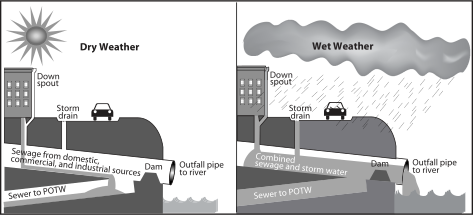
Combined sewer systems function by using a single pipe network to transport both domestic wastewater (from toilets, sinks, showers) and stormwater runoff (from rain hitting streets, roofs, and other impervious surfaces). During dry weather, this mixture flows to a wastewater treatment plant. However, when precipitation events occur, the volume of water can exceed the capacity of the pipes or the treatment plant. In such cases, a diversion structure allows a portion of the combined flow to bypass the treatment process and discharge directly into receiving waters. This bypass, known as a combined sewer overflow (CSO), carries diluted sewage, bacteria, viruses, heavy metals, oil, grease, and other pollutants picked up from urban landscapes, such as petroleum hydrocarbons from roadways and pesticides from lawns.
📊 Key Facts & Numbers
The scale of combined sewer overflow is staggering. In the United States, it's estimated that over 772 billion gallons of untreated sewage and stormwater are discharged annually from CSO outfalls, according to the U.S. Environmental Protection Agency (EPA). Over 700 municipalities in the U.S. still operate combined sewer systems, many of which were built over a century ago. The cost of upgrading these systems to separate them or implement effective CSO controls is astronomical, with estimates often exceeding $1 trillion for comprehensive solutions. In Europe, cities like Paris and Berlin also contend with significant CSO volumes, releasing billions of liters each year, impacting major waterways like the River Seine and the River Spree.
👥 Key People & Organizations
Key figures in addressing CSO include Sir Joseph Bazalgette, the Victorian engineer who designed London's foundational combined sewer system. More recently, environmental engineers and policymakers at organizations like the U.S. EPA have been instrumental in setting regulations and funding initiatives. Municipalities like Philadelphia Water Department have developed innovative green infrastructure plans, while advocacy groups such as the Waterkeeper Alliance push for stricter enforcement and public awareness. Research institutions like the Carnegie Mellon University and MIT contribute through advanced modeling and treatment technologies.
🌍 Cultural Impact & Influence
Combined sewer overflows have a profound cultural impact, often manifesting as 'no swimming' advisories for beaches and rivers during and after rain events, a common occurrence in cities like New York City and Chicago. The visible pollution, such as floating debris and foul odors, can diminish the recreational value of urban waterways, impacting tourism and local economies. Public awareness campaigns, often spearheaded by environmental groups, aim to connect the dots between daily urban activities and the health of local water bodies. The aesthetic degradation and health risks associated with CSO events have spurred artistic expressions and community-led clean-up initiatives, fostering a greater sense of environmental stewardship in affected urban areas.
⚡ Current State & Latest Developments
Current efforts to manage CSO are multifaceted. Many cities are implementing green infrastructure solutions, such as rain gardens, permeable pavements, and green roofs, to capture and filter stormwater before it enters the combined system. In-situ polymerization and other trenchless technologies are being explored for pipe rehabilitation to prevent leaks and infiltration. Advanced monitoring systems using IoT sensors are being deployed to track overflow events in real-time. Cleveland's Project Clean Water is a multi-billion dollar initiative focused on reducing CSO discharges through a combination of gray and green infrastructure.
🤔 Controversies & Debates
The primary controversy surrounding CSO revolves around the immense cost of remediation versus the perceived urgency of the problem. Critics argue that municipalities are not acting fast enough to comply with federal mandates like the Clean Water Act, leading to ongoing environmental damage. Conversely, many cities face significant financial burdens, leading to debates over who should bear the cost – taxpayers, industries contributing to runoff pollution, or federal/state governments. There's also tension between traditional 'gray infrastructure' solutions (larger pipes, storage tunnels) and newer 'green infrastructure' approaches, with ongoing discussions about their relative effectiveness, cost-efficiency, and long-term sustainability.
🔮 Future Outlook & Predictions
The future of CSO management likely involves a hybrid approach, integrating advanced gray infrastructure with widespread green infrastructure implementation. Predictive modeling using AI and machine learning will become crucial for anticipating overflow events and optimizing system operations. Decentralized stormwater management, where runoff is managed closer to its source, will gain prominence. Furthermore, policy innovations, such as performance-based permits and innovative financing mechanisms, will be necessary to fund the necessary upgrades. The ultimate goal is to achieve near-zero CSO discharges, transforming urban waterways into healthier, more resilient ecosystems.
💡 Practical Applications
Practical applications for mitigating CSO include the widespread deployment of green infrastructure techniques within urban planning. This involves integrating rain gardens into streetscapes, utilizing permeable pavements in parking lots and sidewalks, and promoting green roofs on buildings to absorb rainfall. Large-scale storage tunnels, like those being constructed in Chicago and New York City, are designed to hold excess combined sewage during storms for later treatment. Bioswales along roadways help filter pollutants from runoff before it reaches storm drains. Public education campaigns also serve as a practical tool, encouraging residents to reduce water usage during storms and properly dispose of waste to minimize the load on combined systems.
Key Facts
- Category
- technology
- Type
- phenomenon