
Contents
Overview
The character of Count Dracula, as immortalized in Bram Stoker's 1897 novel, draws heavily from historical figures and folklore. While Stoker never visited Romania, he was inspired by accounts of Vlad III Dracula, also known as Vlad the Impaler, a 15th-century ruler of Wallachia. Vlad III's father, Vlad II Dracul, was a member of the Order of the Dragon, a knightly order, which led to the patronymic 'Dracula,' meaning 'son of the dragon.' This historical connection, combined with Romanian folklore about vampires and the supernatural, formed the basis for Stoker's creation. Scholars like Radu Florescu and Raymond McNally popularized the theory linking Vlad the Impaler directly to Dracula, though some, like Elizabeth Miller, argue Stoker used the name and only a few historical details. The name 'Dracula' itself, in modern Romanian, can also mean 'devil,' adding to the character's sinister aura, a detail that likely appealed to Stoker, who encountered the name in his research.
⚙️ How It Works
Count Dracula is depicted as a powerful, ancient vampire with a range of supernatural abilities. He possesses immense strength, can transform into various animals (like bats and wolves), control the weather, and exert hypnotic influence over others. However, his powers are not absolute; he is vulnerable to sunlight, cannot enter a dwelling without an invitation, and is weakened by holy symbols and running water. In Bram Stoker's novel, Dracula's primary goal is to expand his influence by moving from his ancestral castle in the Carpathian Mountains to England, seeking new victims and a new domain. His methods involve seduction, manipulation, and the draining of life force, as seen in his interactions with Jonathan Harker, Lucy Westenra, and Mina Murray. The narrative of Dracula's pursuit and eventual destruction by a group led by Professor Van Helsing forms the core of the novel's plot, exploring themes of good versus evil, science versus superstition, and the clash of old-world darkness with modern society.
🌍 Cultural Impact
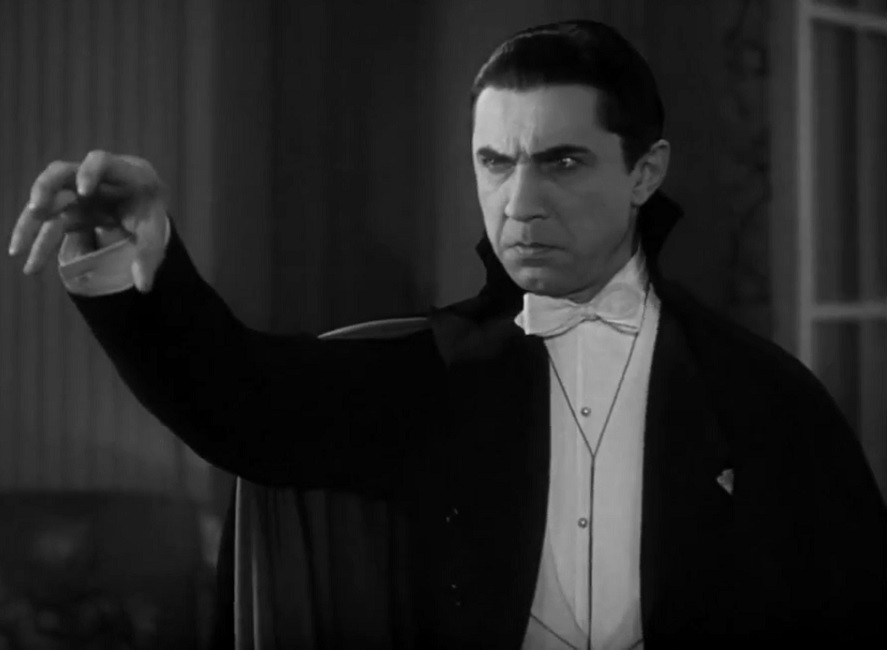
The cultural impact of Count Dracula is immense, extending far beyond Bram Stoker's novel. He has become the archetypal vampire, influencing countless books, films, television shows, and other forms of media. Actors like Bela Lugosi and Christopher Lee are famously associated with the role, each bringing their unique interpretation to the character. Dracula's image has permeated popular culture, making him a recognizable figure in Halloween costumes and a symbol of gothic horror. The character's enduring appeal lies in his complex nature: a blend of aristocratic sophistication, terrifying power, and tragic immortality. His story has been adapted and reinterpreted numerous times, from early silent films like Nosferatu to modern franchises like Hotel Transylvania, demonstrating his lasting relevance and adaptability across different genres and audiences. The character's influence can be seen in other fictional vampires, such as those in Castlevania and Hellsing.
🔮 Legacy & Future
The legacy of Count Dracula continues to evolve, solidifying his status as a legendary figure in literature and popular culture. While the direct link to Vlad the Impaler remains a subject of scholarly discussion, the historical figure undoubtedly provided a compelling foundation for Stoker's creation. The character's ability to transcend his literary origins and adapt to new interpretations ensures his continued presence in the cultural landscape. Debates persist regarding the extent of Stoker's historical research and the precise inspirations behind Dracula, but his status as a cultural icon is undeniable. The enduring fascination with vampires, largely fueled by Dracula, continues to inspire new stories and explorations of themes like immortality, desire, and the fear of the unknown. The character's journey from a 19th-century novel to a global phenomenon highlights the power of storytelling and the enduring allure of the gothic and the supernatural, influencing everything from 4chan discussions to academic studies on folklore and literature.
Key Facts
- Year
- 1897
- Origin
- Transylvania
- Category
- culture
- Type
- concept
Frequently Asked Questions
Is Count Dracula a real person?
Count Dracula is a fictional character created by Bram Stoker. However, he was inspired by the historical figure Vlad III, also known as Vlad the Impaler, a 15th-century ruler of Wallachia. While Vlad the Impaler's life and reputation for cruelty contributed to the character's development, Dracula himself is a work of fiction.
What are Count Dracula's main powers?
Count Dracula possesses a variety of supernatural abilities, including immense strength, the ability to transform into animals like bats and wolves, control over the elements and weather, and hypnotic powers. He can also move silently and vanish at will. These powers are central to his terrifying presence and his ability to hunt his victims.
What are Count Dracula's weaknesses?
Despite his formidable powers, Count Dracula has several weaknesses. He is vulnerable to sunlight, which can weaken or even kill him. He cannot enter a private dwelling unless invited, and he is repelled by holy symbols such as crucifixes and communion wafers. Running water can also be an obstacle for him, and he needs to rest in his native soil.
Who inspired the character of Count Dracula?
The primary inspiration for Count Dracula is Vlad III, Prince of Wallachia, commonly known as Vlad the Impaler. Bram Stoker was drawn to Vlad III's name, which derived from his father's membership in the Order of the Dragon, and his reputation for brutality. Stoker also incorporated elements of Romanian folklore about vampires and the supernatural into his character.
How was Count Dracula defeated in Bram Stoker's novel?
In Bram Stoker's novel, Count Dracula is ultimately defeated by a group of protagonists led by Professor Van Helsing. After a pursuit back to Transylvania, Dracula's body is destroyed. While popular depictions often show him being staked through the heart, the novel describes his throat being cut and his heart pierced simultaneously by Jonathan Harker and Quincey Morris.
References
- en.wikipedia.org — /wiki/Count_Dracula
- dracula.fandom.com — /wiki/Count_Dracula
- livescience.com — /40843-real-dracula-vlad-the-impaler.html
- sparknotes.com — /lit/dracula/characters/
- en.wikipedia.org — /wiki/Dracula
- blog.untravelledpaths.com — /blog/legend-count-dracula/
- litcharts.com — /lit/dracula/characters
- britannica.com — /topic/Count-Dracula