
Contents
- 👟 What Exactly Is a Cross Trainer?
- 💪 Who Benefits Most from Ellipticals?
- ⚙️ Key Features to Look For
- ⚖️ Cross Trainer vs. Other Cardio Machines
- 💡 Tips for Maximizing Your Workout
- 🛠️ Maintenance and Longevity
- ⭐ User Ratings and Popular Models
- 📍 Where to Find and Buy Cross Trainers
- Frequently Asked Questions
- Related Topics
Overview
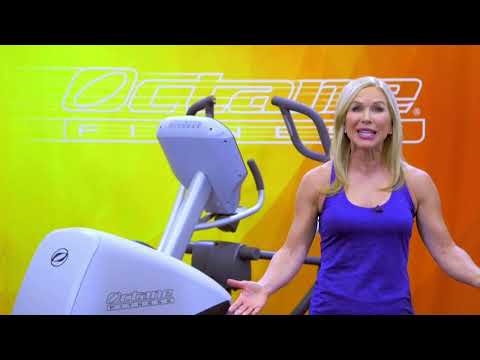
A cross trainer, often called an elliptical machine, is a stationary exercise device that simulates stair climbing, walking, or running without causing excessive pressure on your joints. Its defining characteristic is the foot pedals that move in an elliptical (oval) path, coupled with moving handlebars that engage your upper body. This dual-action capability provides a comprehensive, full-body workout, making it a staple in gyms and home fitness setups worldwide. The resistance levels and incline can typically be adjusted, allowing for a customizable and progressive training experience for users of all fitness levels. Early iterations, like the Lifecycle 9500 from Life Fitness in the early 1990s, laid the groundwork for the sophisticated machines we see today.
💪 Who Benefits Most from Ellipticals?
The cross trainer is a godsend for individuals seeking a low-impact cardiovascular workout. This includes people recovering from injuries, those with joint pain (like arthritis), pregnant individuals, and older adults. However, its versatility extends far beyond this demographic. Athletes can use it for active recovery or cross-training to build aerobic capacity without the pounding of running. Even beginners can find it an accessible entry point into regular exercise, as it's generally easier to maintain proper form compared to running or cycling. The ability to adjust intensity means it can serve both the casual user and the seasoned fitness enthusiast looking to boost their cardiovascular health.
⚙️ Key Features to Look For
When selecting a cross trainer, several features warrant close attention. Look for a smooth, natural stride length that matches your natural gait; too short or too long can feel awkward. The presence of adjustable resistance and incline is crucial for varying workout intensity and targeting different muscle groups. Consider the console display: clear readouts for time, distance, calories burned, and heart rate are essential. Some advanced models offer pre-programmed workouts, Bluetooth connectivity for fitness tracking apps, and even interactive training programs. The stability of the machine is paramount; a wobbly unit is not only less effective but also a safety concern.
⚖️ Cross Trainer vs. Other Cardio Machines
Compared to a treadmill, the cross trainer offers significantly less impact on the knees and ankles, making it a safer choice for many. While a treadmill primarily targets the lower body and cardiovascular system, the cross trainer's moving handlebars provide a more complete, full-body engagement. A stationary bike offers a seated, low-impact workout, excellent for endurance but with less upper-body involvement and calorie burn potential than an elliptical. Rowing machines, like those from Concept2, offer a full-body workout but with a different motion and impact profile. The elliptical's unique elliptical motion is its primary differentiator, providing a distinct feel and muscle engagement.
💡 Tips for Maximizing Your Workout
To get the most out of your cross trainer sessions, focus on proper form: stand tall, engage your core, and let your arms do some of the work on the handlebars. Vary your workouts by adjusting resistance and incline regularly to challenge your body and prevent plateaus. Incorporate interval training, alternating between high-intensity bursts and recovery periods, to maximize calorie burn and VO2 max improvement. Don't neglect the upper body; push and pull the handlebars with purpose to ensure a true full-body engagement. Listening to your body and gradually increasing duration and intensity is key to sustainable progress.
🛠️ Maintenance and Longevity
Proper maintenance is vital for ensuring your cross trainer's longevity and smooth operation. Regularly clean the machine, especially the console and handlebars, to remove sweat and grime. Check for loose bolts or parts and tighten them as needed. Lubricate moving parts according to the manufacturer's instructions, typically every few months, to prevent squeaks and wear. Many modern ellipticals have self-diagnostic features, but periodic visual inspections are still recommended. Neglecting maintenance can lead to premature wear and costly repairs, diminishing the return on investment for your fitness equipment.
⭐ User Ratings and Popular Models
User reviews and ratings are invaluable when researching cross trainers. Brands like NordicTrack, Sole Fitness, and Precor consistently receive high marks for durability, features, and user experience. For instance, the NordicTrack Commercial 14.9 is frequently praised for its large touchscreen and extensive workout library, while Sole's E series ellipticals are lauded for their robust build quality and smooth motion. When looking at ratings, pay attention to comments regarding motor noise, stride comfort, and the reliability of electronic components. A Vibe score of 75+ often indicates a machine with strong user satisfaction and cultural resonance within the fitness community.
📍 Where to Find and Buy Cross Trainers
Cross trainers are widely available through various channels. Major sporting goods retailers like Dick's Sporting Goods and REI often have a selection on display, allowing for in-person testing. Online marketplaces such as Amazon and dedicated fitness equipment websites offer a broader range of models and competitive pricing. Many manufacturers also sell directly from their own websites, sometimes offering exclusive deals or financing options. For those on a tighter budget, consider reputable used equipment dealers or online classifieds, but always inspect the machine thoroughly before purchasing. Delivery and assembly services are commonly offered, simplifying the setup process for home users.
Key Facts
- Year
- 1995
- Origin
- Precor (USA)
- Category
- Fitness Equipment
- Type
- Product Category
Frequently Asked Questions
Are cross trainers good for weight loss?
Yes, cross trainers are excellent for weight loss because they provide a high-calorie burn in a relatively short period. By engaging both the upper and lower body, they recruit more muscle mass than many other cardio machines, leading to a greater overall energy expenditure. Combining consistent elliptical workouts with a balanced diet is a highly effective strategy for shedding pounds. The ability to adjust intensity also allows for progressive overload, ensuring continued progress as your fitness improves.
How often should I use a cross trainer?
For general fitness and weight management, aiming for 3-5 sessions per week is recommended. Each session can range from 20 to 60 minutes, depending on your fitness level and goals. If you're new to exercise, start with shorter durations (20-30 minutes) at a moderate intensity and gradually increase as your stamina builds. For athletes, cross trainers can be used daily for active recovery or incorporated into a periodized training plan multiple times a week.
Can a cross trainer help build muscle?
While primarily a cardiovascular tool, a cross trainer can contribute to muscle toning and endurance, particularly in the legs, glutes, and core. By increasing resistance and incline, you can challenge these muscle groups more intensely. The moving handlebars also engage the arms, shoulders, and back. However, for significant muscle hypertrophy, resistance training with weights or bodyweight exercises is generally more effective. The cross trainer is best viewed as a complement to strength training, not a replacement.
What's the difference between an elliptical and a cross trainer?
The terms 'elliptical' and 'cross trainer' are often used interchangeably, and for most practical purposes, they refer to the same machine. The 'elliptical' describes the motion of the foot pedals, while 'cross trainer' emphasizes its ability to provide a cross-training effect by working multiple muscle groups simultaneously. Some might argue that 'cross trainer' is a broader category that could include other multi-sport machines, but in the context of home and gym equipment, they are synonymous.
Are there any risks associated with using a cross trainer?
Cross trainers are generally very safe due to their low-impact nature. However, improper form, such as hunching over or locking your knees, can lead to strain. Overexertion, especially for beginners, can cause fatigue or dizziness. It's crucial to start slowly, listen to your body, and consult a healthcare professional if you have pre-existing medical conditions or concerns. Ensure the machine is stable and properly maintained to avoid mechanical issues.