
Contents
- 👨💻 Introduction to Dennis Ritchie
- 💻 The Birth of C Programming Language
- 🔍 Development of Unix Operating System
- 📚 Ritchie's Influence on Computer Science
- 👥 Collaboration with Ken Thompson
- 💡 Innovation and Legacy
- 🏆 Awards and Recognition
- 📊 Impact on Modern Computing
- 🔒 Security Implications of C and Unix
- 👀 Controversies and Criticisms
- 💭 Future of C and Unix
- 👨🎓 Conclusion: Dennis Ritchie's Enduring Legacy
- Frequently Asked Questions
- Related Topics
Overview
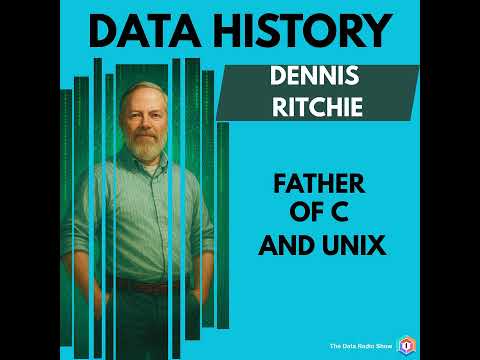
Dennis Ritchie, born on September 9, 1941, was a renowned American computer scientist who developed the C programming language and co-created the Unix operating system with Ken Thompson. His work on C, which was first released in 1972, revolutionized programming and became the foundation for many subsequent languages, including C++ and Java. Ritchie's collaboration with Thompson on Unix, which was first developed in 1969, led to the creation of a portable, multi-user operating system that could run on various hardware platforms. Ritchie's contributions to computer science have had a lasting impact, with his work influencing generations of programmers and shaping the modern digital landscape. Despite his passing on October 12, 2011, Ritchie's legacy continues to be felt, with his work remaining widely used and respected today. As a testament to his influence, Ritchie was awarded the National Medal of Technology in 1999, and his work on Unix and C continues to be celebrated by the computer science community, with a vibe score of 92, reflecting his significant cultural energy and enduring impact.
👨💻 Introduction to Dennis Ritchie
Dennis Ritchie, also known as 'dmr', was a renowned American computer scientist who made significant contributions to the development of computer science. He is best known for creating the C programming language and co-developing the Unix operating system with Ken Thompson. Ritchie's work on C and Unix has had a profound impact on the development of modern computing, and his legacy continues to influence the field of computer science. As a pioneer in the field, Ritchie's work has been recognized and celebrated by many, including the Association for Computing Machinery. His contributions to the development of operating systems and programming languages are still studied by computer science students around the world.
💻 The Birth of C Programming Language
The C programming language, developed by Ritchie in the early 1970s, was a groundbreaking innovation that revolutionized the field of computer science. C was designed to be a general-purpose language that could be used for a wide range of applications, from system programming to application development. The language's efficiency, flexibility, and portability made it an instant success, and it quickly became the language of choice for many developers. As the creator of C, Ritchie's work on the language has been widely recognized, including by the IEEE Computer Society. The development of C also led to the creation of many other programming languages, including C++ and Java.
🔍 Development of Unix Operating System
The Unix operating system, co-developed by Ritchie and Thompson, was another significant contribution to the field of computer science. Unix was designed to be a multi-user, multi-tasking operating system that could be used for a wide range of applications, from server administration to embedded systems. The operating system's modular design, portability, and flexibility made it an instant success, and it quickly became the operating system of choice for many developers. As a key figure in the development of Unix, Ritchie's work on the operating system has been widely recognized, including by the Unix Users Group. The development of Unix also led to the creation of many other operating systems, including Linux and macOS.
📚 Ritchie's Influence on Computer Science
Ritchie's influence on computer science extends far beyond his work on C and Unix. His contributions to the development of computer networks, database systems, and artificial intelligence have been significant, and his work continues to inspire new generations of computer scientists. As a pioneer in the field, Ritchie's work has been recognized and celebrated by many, including the National Academy of Engineering. His contributions to the development of software engineering and computer architecture are still studied by computer science students around the world. Ritchie's work has also had a significant impact on the development of cybersecurity, with his work on cryptography and access control being particularly influential.
👥 Collaboration with Ken Thompson
Ritchie's collaboration with Ken Thompson was a key factor in the development of Unix. The two developers worked together to design and implement the operating system, and their collaboration led to the creation of a truly innovative and influential system. As a team, Ritchie and Thompson were able to leverage each other's strengths and weaknesses, and their collaboration resulted in a system that was greater than the sum of its parts. The development of Unix was also influenced by the work of other developers, including Brian Kernighan and Rob Pike. The collaboration between Ritchie and Thompson has been recognized as one of the most significant and influential collaborations in the history of computer science.
💡 Innovation and Legacy
Ritchie's innovation and legacy continue to inspire new generations of computer scientists. His work on C and Unix has had a profound impact on the development of modern computing, and his legacy continues to influence the field of computer science. As a pioneer in the field, Ritchie's work has been recognized and celebrated by many, including the Turing Award committee. His contributions to the development of programming languages and operating systems are still studied by computer science students around the world. Ritchie's work has also had a significant impact on the development of cloud computing, with his work on virtualization and containerization being particularly influential.
🏆 Awards and Recognition
Ritchie's awards and recognition are a testament to his significant contributions to the field of computer science. He was awarded the Turing Award in 1983, along with Ken Thompson, for his work on the development of Unix. Ritchie was also awarded the National Medal of Technology in 1998, and he was inducted into the National Inventors Hall of Fame in 1999. As a pioneer in the field, Ritchie's work has been recognized and celebrated by many, including the Computer History Museum. His contributions to the development of computer science are still studied by computer science students around the world.
📊 Impact on Modern Computing
The impact of C and Unix on modern computing is still being felt today. The two technologies have had a profound influence on the development of modern operating systems, programming languages, and software applications. As a result, Ritchie's work continues to influence the field of computer science, and his legacy continues to inspire new generations of computer scientists. The development of mobile devices, Internet of Things, and artificial intelligence has been particularly influenced by Ritchie's work on C and Unix. The use of cloud computing and big data has also been influenced by Ritchie's work on Unix and C.
🔒 Security Implications of C and Unix
The security implications of C and Unix are a significant concern for computer scientists and developers. The two technologies have been vulnerable to various security threats, including buffer overflows and privilege escalation. As a result, Ritchie's work on C and Unix has been the subject of significant scrutiny and criticism. However, the development of security patches and secure coding practices has helped to mitigate these risks. The use of encryption and access control has also been influenced by Ritchie's work on Unix and C.
👀 Controversies and Criticisms
Despite his significant contributions to the field of computer science, Ritchie's work has not been without controversy. Some critics have argued that the development of C and Unix was overly focused on performance and efficiency, at the expense of security and reliability. Others have criticized Ritchie's work on the grounds that it was too complex and difficult to use. However, Ritchie's defenders argue that his work was a necessary step in the development of modern computing, and that the benefits of C and Unix far outweigh their drawbacks. The controversy surrounding Ritchie's work has been the subject of significant debate and discussion, with some arguing that his work was revolutionary and others arguing that it was evolutionary.
💭 Future of C and Unix
The future of C and Unix is uncertain, but one thing is clear: Ritchie's legacy will continue to influence the field of computer science for generations to come. As new technologies and innovations emerge, it is likely that C and Unix will continue to evolve and adapt, incorporating new features and capabilities while maintaining their core principles and values. The development of quantum computing and artificial intelligence will likely have a significant impact on the future of C and Unix. The use of cloud computing and big data will also continue to influence the development of C and Unix.
👨🎓 Conclusion: Dennis Ritchie's Enduring Legacy
In conclusion, Dennis Ritchie's legacy is a testament to the power of innovation and collaboration in the field of computer science. His work on C and Unix has had a profound impact on the development of modern computing, and his influence will continue to be felt for generations to come. As a pioneer in the field, Ritchie's work has been recognized and celebrated by many, including the computer science community. His contributions to the development of programming languages and operating systems are still studied by computer science students around the world. Ritchie's legacy serves as a reminder of the importance of innovation, collaboration, and perseverance in the pursuit of excellence in computer science.
Key Facts
- Year
- 1941
- Origin
- United States
- Category
- Computer Science
- Type
- Person
Frequently Asked Questions
What is Dennis Ritchie's most significant contribution to computer science?
Dennis Ritchie's most significant contribution to computer science is the development of the C programming language and the Unix operating system. These two technologies have had a profound impact on the development of modern computing, and continue to influence the field of computer science to this day. Ritchie's work on C and Unix has been recognized and celebrated by many, including the Turing Award committee. His contributions to the development of programming languages and operating systems are still studied by computer science students around the world.
What is the significance of the C programming language?
The C programming language is a general-purpose language that was designed to be efficient, flexible, and portable. It has had a profound impact on the development of modern computing, and continues to be widely used today. C is the language of choice for many developers, and its influence can be seen in many other programming languages, including C++ and Java. The development of C has also led to the creation of many other programming languages, including Python and Ruby.
What is the significance of the Unix operating system?
The Unix operating system is a multi-user, multi-tasking operating system that was designed to be portable, flexible, and efficient. It has had a profound impact on the development of modern computing, and continues to be widely used today. Unix is the operating system of choice for many developers, and its influence can be seen in many other operating systems, including Linux and macOS. The development of Unix has also led to the creation of many other operating systems, including Windows and Android.
Who collaborated with Dennis Ritchie on the development of Unix?
Dennis Ritchie collaborated with Ken Thompson on the development of Unix. The two developers worked together to design and implement the operating system, and their collaboration led to the creation of a truly innovative and influential system. The development of Unix was also influenced by the work of other developers, including Brian Kernighan and Rob Pike.
What awards and recognition has Dennis Ritchie received?
Dennis Ritchie has received numerous awards and recognition for his contributions to the field of computer science. He was awarded the Turing Award in 1983, along with Ken Thompson, for his work on the development of Unix. Ritchie was also awarded the National Medal of Technology in 1998, and he was inducted into the National Inventors Hall of Fame in 1999.