
Contents
Overview
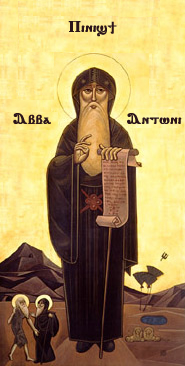
The Desert Fathers were pioneering Christian hermits and ascetics who, beginning in the 3rd century AD, sought spiritual perfection through extreme self-denial and contemplation in the deserts of Roman Egypt, most notably the Scetes region. Figures like Paul of Thebes and Anthony the Great established precedents for monastic life, drawing thousands to the arid landscape and transforming it into what Athanasius of Alexandria famously described as a 'city.' Their radical commitment to solitude, prayer, and detachment from worldly possessions laid the foundational blueprint for Christian monasticism, profoundly shaping theological thought and spiritual practices across the globe for centuries. The collected wisdom, known as the Sayings of the Desert Fathers, continues to offer profound spiritual guidance.
🎵 Origins & History
Early pioneers like Paul of Thebes, often cited as the very first, retreated into the Egyptian desert to escape worldly distractions and pursue an unadulterated devotion to God. However, it was Anthony the Great who truly catalyzed the movement. Following his conversion, Anthony embraced a life of extreme asceticism, living in isolation and battling spiritual temptations, a narrative immortalized by Athanasius of Alexandria in his Life of Anthony. By the time of Anthony's death, his example had inspired thousands, transforming the desolate Wadi El Natrun (ancient Skete) into a thriving center of monastic life, a 'desert city' teeming with ascetics seeking divine wisdom.
⚙️ How It Works
The 'work' of the Desert Fathers was primarily internal and spiritual, centered on the pursuit of apatheia (freedom from passion) and theoria (contemplation of God). They lived in simple cells or caves, dedicating their days to prayer, fasting, manual labor (often weaving or making baskets), and the study of scripture. Their asceticism was rigorous: some practiced extreme fasting, others endured harsh physical conditions, and many embraced profound silence and solitude. The core practice involved constant prayer, often referred to as the 'Jesus Prayer' in later traditions, and a deep engagement with their own inner lives to overcome demonic temptations and cultivate virtues. This disciplined existence was not about self-punishment but about purifying the soul to become a vessel for divine grace, a process meticulously documented in the Sayings of the Desert Fathers.
📊 Key Facts & Numbers
The impact of the Desert Fathers is quantifiable in their sheer numbers and the scale of their settlements. Monastic communities inspired by their model existed across the Roman Empire, including in Syria and Gaul.
👥 Key People & Organizations
Beyond Anthony the Great and Paul of Thebes, a pantheon of influential figures shaped the ethos of the Desert Fathers. Evagrius Ponticus systematized their spiritual teachings, though some of his ideas later led to controversy. Macarius of Egypt was renowned for his compassion and wisdom, becoming a spiritual father to many. Amos of Thebes and Pambo were also prominent leaders in the Scetes community. The organizational structure, though informal initially, coalesced into monastic centers, with St. Catherine's Monastery at Mount Sinai eventually becoming a repository for many of their early texts, preserving their legacy.
🌍 Cultural Impact & Influence
The Desert Fathers are arguably the single most significant influence on the development of Christian monasticism worldwide. Their model of communal living, spiritual discipline, and contemplative prayer became the standard for monastic orders that followed, including the Rule of Benedict of Nursia in the West and Eastern Orthodox monastic traditions in the East. Their emphasis on spiritual warfare, detachment from material possessions, and the pursuit of inner peace resonated deeply, shaping theological discourse and influencing countless spiritual writers and mystics, including John Cassian and John Chrysostom.
⚡ Current State & Latest Developments
While the historical era of the original Desert Fathers has passed, their spiritual legacy is remarkably active. Contemporary monastic communities, particularly within Coptic and Eastern Orthodox traditions, continue to draw directly from their teachings and practices. In the West, elements of their asceticism and contemplative focus are echoed in various Catholic orders and even in secular mindfulness and contemplative practices. The enduring appeal of their radical commitment to spiritual truth ensures their continued relevance in a world often perceived as overly materialistic and distracted. Recent archaeological work in Egypt continues to uncover more about their physical settlements, offering fresh insights into their daily lives.
🤔 Controversies & Debates
The Desert Fathers' extreme asceticism has been a source of debate since their time. Critics, both ancient and modern, question the healthiness and practicality of practices like prolonged fasting, isolation, and self-mortification. Some of Evagrius Ponticus's theological formulations were condemned as heretical by later Church councils, highlighting the fine line between profound spirituality and theological error. Furthermore, the historical accuracy and embellishment within the Sayings are subjects of scholarly scrutiny, with debates over authorship and the precise historical context of many anecdotes. The very idea of 'escaping' the world, while central to their ethos, can be seen as a form of social withdrawal that some find problematic.
🔮 Future Outlook & Predictions
The future of the Desert Fathers' influence likely lies in the continued adaptation of their core principles to modern contexts. While literal desert hermitage may remain a niche pursuit, the emphasis on mindfulness, digital detox, and intentional living resonates with contemporary concerns about information overload and societal pressures. Expect to see further integration of their contemplative practices into secular wellness movements and renewed interest in their teachings within various Christian denominations seeking deeper spiritual engagement. The ongoing archaeological discoveries at sites like Wadi El Natrun will undoubtedly provide new material for understanding their historical impact and spiritual methodologies, potentially reshaping scholarly interpretations.
💡 Practical Applications
The practical applications of the Desert Fathers' wisdom are vast and enduring. Their teachings on prayer, particularly the concept of 'unceasing prayer,' inform contemplative practices across many faiths. The principles of detachment from material possessions and the cultivation of inner peace offer a counter-narrative to consumer culture, applicable to individuals seeking a more meaningful existence. Their insights into overcoming negative thoughts and cultivating virtues are foundational to CBT and other psychological approaches. For those seeking spiritual direction, the Sayings provide direct, actionable advice on navigating life's challenges with faith and resilience, offering guidance on everything from managing anger to practicing hospitality.
Key Facts
- Category
- history
- Type
- topic