
Contents
Overview
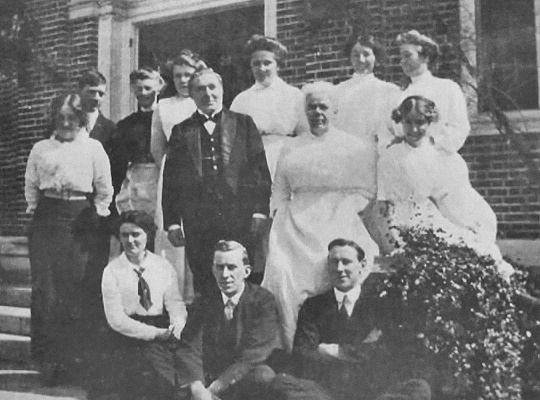
The concept of domestic labor is as old as settled human society itself, originating in the earliest agricultural communities where tasks like food preparation, childcare, and shelter maintenance were essential for survival. In ancient civilizations, such as those in Roman or Ancient Greece, domestic work was often performed by enslaved people or lower-status family members, with the mistress of the household overseeing operations. The feudal system in Medieval Europe saw a more formalized hierarchy of domestic servants, from scullery maids to housekeepers, each with defined roles. The Industrial Revolution in the 18th and 19th centuries, particularly in Victorian England, dramatically reshaped domestic labor; while factory work drew men out of the home, it simultaneously created a larger market for domestic servants, predominantly women, in the burgeoning middle and upper classes. This era solidified the image of the live-in maid and the 'woman's work' paradigm, a legacy that continues to influence perceptions today. The mid-20th century saw a decline in live-in domestic service in Western countries due to changing social norms and increased opportunities for women, but the demand for paid domestic help has resurged, often met by global migration flows.
⚙️ How It Works
Domestic labor operates through a complex web of tasks and relationships, typically within a private residence. At its core, it involves the direct provision of services that maintain the household and its occupants. This can range from the physical upkeep of the home—cleaning, laundry, gardening—to the care of dependents, including childcare for infants and children, and elder care for the elderly or infirm. Food production and preparation, from grocery shopping to cooking and meal cleanup, are central. Beyond these tangible tasks, domestic labor also encompasses the often-invisible 'mental load' of household management: planning meals, scheduling appointments, managing finances, organizing social events, and anticipating needs. In paid contexts, domestic workers are employed by households, with employment agreements varying wildly in formality, from legally binding contracts to informal cash payments, impacting their rights and working conditions. The rise of app-based services has also introduced new models, such as on-demand cleaning or meal delivery, which externalize some domestic tasks but often create new forms of labor precarity.
📊 Key Facts & Numbers
The sheer scale of domestic labor globally is staggering, yet often undercounted. The International Labour Organization (ILO) cautions that its estimated figure of 75.6 million domestic workers worldwide in 2018 is likely a significant underestimate, as many domestic workers operate in the informal economy and are not captured by official statistics. The median wage for domestic workers in many developed nations, such as the United States, often falls below the national minimum wage. The economic value of unpaid domestic labor is also immense; a 2019 report by Oxfam estimated that women globally perform 12.5 billion hours of unpaid care and domestic work each day, a contribution valued at $10.9 trillion annually, more than three times the value of the global tech industry.
👥 Key People & Organizations
While domestic labor is a collective societal function, certain individuals and organizations have been pivotal in advocating for its recognition and improving the conditions of domestic workers. Arlie Hochschild, a sociologist, extensively researched the emotional labor involved in service work, including domestic roles, in her seminal work "The Managed Heart." Activists like Sweatshop Free and organizations such as the National Domestic Workers Alliance (NDWA) in the United States have been instrumental in campaigning for legal protections, fair wages, and dignified working conditions for domestic employees. The International Domestic Workers Federation (IDWF) is a global union representing millions of domestic workers across more than 60 countries, advocating for the ratification and implementation of ILO Convention C189 on Decent Work for Domestic Workers. Historically, figures like Sojourner Truth, an abolitionist and women's rights advocate, often spoke from the lived experience of domestic service, highlighting its hardships and injustices. More recently, scholars like Sylvia Federici have analyzed the political economy of housework and its role in capitalist accumulation, arguing for its redefinition as productive labor.
🌍 Cultural Impact & Influence
The cultural impact of domestic labor is profound, shaping societal norms, gender roles, and economic structures. The ideal of the domestic sphere as the woman's domain, separate from the public sphere of work and politics, was a cornerstone of patriarchal societies, as articulated in the writings of Victorian era thinkers and reinforced through literature and art. This division of labor, while freeing men for paid employment, often rendered women's contributions invisible and undervalued. The very concept of 'home' as a sanctuary is built upon the foundation of domestic labor, yet the individuals performing this labor have historically been marginalized. The portrayal of domestic workers in media, from Downton Abbey to The Help, often reflects societal attitudes towards class, race, and gender, oscillating between romanticization and exploitation. The increasing reliance on paid domestic workers, many of whom are migrants, has also introduced new cultural dynamics and challenges related to immigration, integration, and the commodification of care. The ongoing struggle for recognition of domestic labor as 'real work' continues to influence feminist discourse and labor movements worldwide.
⚡ Current State & Latest Developments
The landscape of domestic labor is currently undergoing significant transformation, driven by technological advancements, evolving social expectations, and persistent advocacy. The COVID-19 pandemic in 2020-2022 starkly highlighted the essential nature of domestic workers, particularly those in childcare and elder care, while also exposing their vulnerability to infection and job loss. This period spurred renewed calls for better labor protections and recognition. Technology is playing an increasingly prominent role, with the proliferation of smart home devices and robotics promising to automate some tasks, though their widespread adoption and affordability remain barriers. Simultaneously, the gig economy has expanded, with platforms like TaskRabbit and Handy connecting consumers with domestic service providers, often on a freelance basis, raising questions about worker rights and benefits. In response to advocacy, several jurisdictions have enacted new legislation; for instance, California's Domestic Workers Bill of Rights, passed in 2013, established minimum standards for hours, overtime, and days of rest for domestic employees. The global movement for the ratification and implementation of ILO Convention C189 continues to gain momentum, with more countries signing on, signaling a slow but steady shift towards formalizing and protecting domestic work.
🤔 Controversies & Debates
The most persistent controversy surrounding domestic labor is its historical and ongoing undervaluation, often referred to as the 'invisibility' of the work. Critics argue that because domestic labor is traditionally unpaid and
Key Facts
- Category
- culture
- Type
- topic