
Contents
Overview
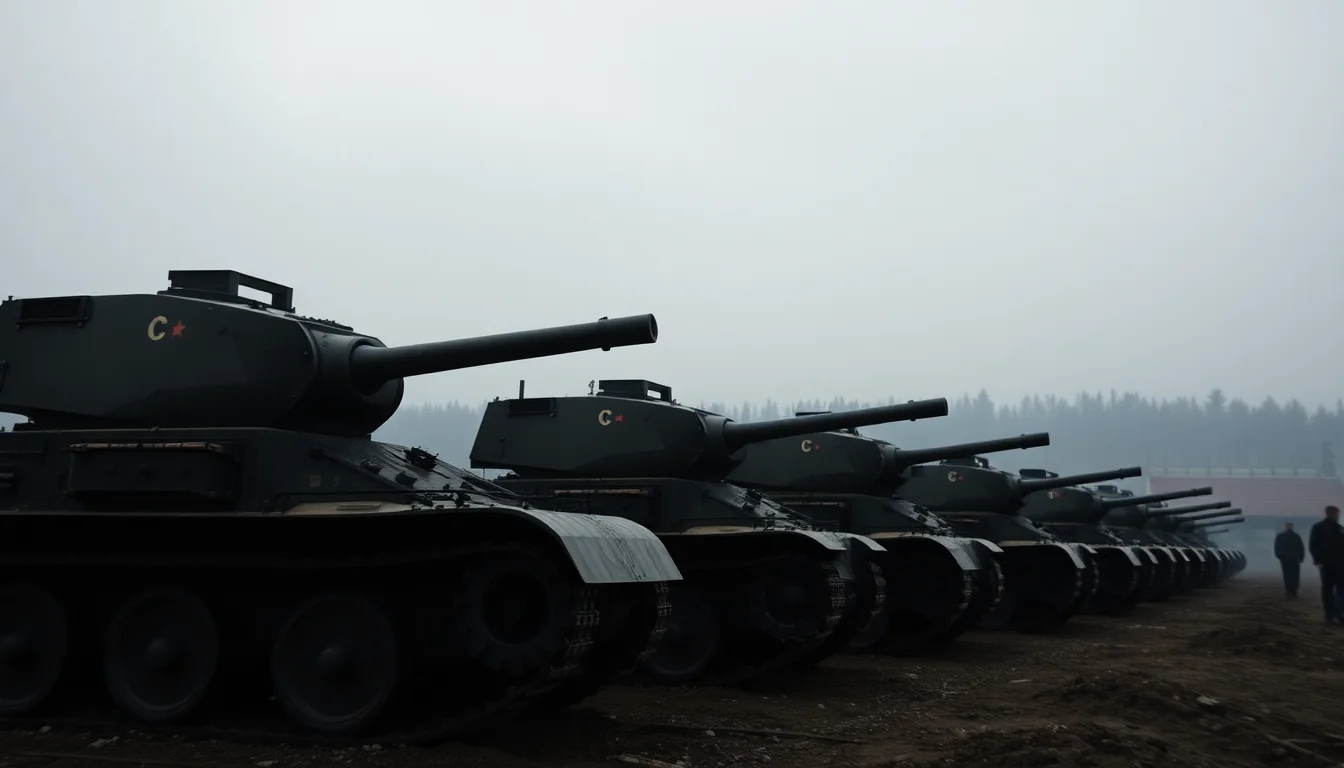
The Eastern Front of World War II, commencing with Operation Barbarossa on June 22, 1941, marked a pivotal and devastating chapter in global history. This massive military confrontation was fueled by Nazi Germany's ideological drive for 'Lebensraum' (living space) and the eradication of communism, as detailed in sources like Wikipedia and Britannica. The initial phase saw a rapid German advance, catching the Soviet Union largely unprepared despite numerous warnings, a situation exacerbated by Joseph Stalin's initial distrust of Hitler's intentions, as noted by History.com. The sheer scale of the invasion, involving millions of troops and vast territories, set the stage for a conflict that would dwarf previous wars in terms of human cost and strategic significance, influencing events far beyond its geographical scope, much like the broader impact of World War II itself.
⚔️ How It Worked
The conflict on the Eastern Front was characterized by its immense scale and brutality. Operation Barbarossa, the German invasion, involved over 3.8 million Axis troops, making it the largest land invasion in history, as highlighted by the National WWII Museum and Wikipedia. The fighting was marked by massive encirclements, such as the Battle of Kiev, and intense urban warfare, exemplified by the Siege of Leningrad and the Battle of Stalingrad, which became a major turning point. The war of annihilation waged by Nazi Germany involved widespread atrocities and war crimes, impacting millions of civilians and prisoners of war, a grim aspect also discussed by the US Holocaust Memorial Museum. The sheer logistical challenges, combined with the unforgiving Russian weather, played a significant role, as detailed in articles from History.com and Warfare History Network.
💔 Cultural Impact
The Eastern Front had a profound and lasting impact on global geopolitics and collective memory. It was the primary theater where Nazi Germany suffered its most significant losses, with an estimated 80% of German military casualties occurring on this front, as indicated by Quora and Britannica. The immense human cost, with tens of millions of deaths, including millions of children, left indelible scars on the involved nations. The eventual Soviet victory was instrumental in the defeat of Nazi Germany and significantly shaped the post-war world, contributing to the onset of the Cold War and the division of Europe. The narratives and historical accounts of the Eastern Front continue to be explored through documentaries and academic research, as seen in resources from the Imperial War Museum and the American Heritage Museum.
⏳ Legacy & Future
The legacy of the Eastern Front continues to resonate in contemporary discussions about warfare, human resilience, and historical memory. The sheer scale of the conflict and the profound human suffering underscore the devastating consequences of ideological extremism and total war. Historians and researchers continue to analyze the strategic decisions, the impact of technology, and the experiences of soldiers and civilians alike, drawing on extensive archives and scholarly works. The Eastern Front serves as a stark reminder of the immense sacrifices made during World War II and the critical importance of understanding this complex and brutal chapter of history to prevent future atrocities, a sentiment echoed in the ongoing study of World War II by institutions like The National WWII Museum.
Key Facts
- Year
- 1941-1945
- Origin
- Europe
- Category
- history
- Type
- event
Frequently Asked Questions
What was the Eastern Front?
The Eastern Front was the largest and deadliest theater of combat in World War II, fought primarily between Nazi Germany and the Soviet Union from June 22, 1941, to May 8, 1945. It encompassed Central and Eastern Europe and was characterized by immense scale, brutality, and strategic importance.
When did the Eastern Front begin and end?
The Eastern Front began with the German invasion of the Soviet Union, Operation Barbarossa, on June 22, 1941, and concluded with the surrender of Germany on May 8, 1945.
What were the main belligerents in the Eastern Front?
The main belligerents were Nazi Germany and its Axis allies (including Romania, Hungary, and Finland) against the Soviet Union and its Allied powers (including Poland).
What were some of the most significant battles on the Eastern Front?
Key battles include Operation Barbarossa, the Siege of Leningrad, the Battle of Stalingrad, and the Battle of Kursk. These battles were characterized by immense casualties and strategic turning points.
What was the human cost of the Eastern Front?
The Eastern Front resulted in an estimated 30 million deaths, including approximately 9 million children. It was the deadliest theater of World War II, with both military and civilian populations suffering immense losses.
References
- en.wikipedia.org — /wiki/Eastern_Front_(World_War_II)
- en.wikipedia.org — /wiki/Timeline_of_the_Eastern_Front_of_World_War_II
- youtube.com — /watch
- britannica.com — /event/Eastern-Front-World-War-II
- nationalww2museum.org — /war/topics/eastern-front
- warfarehistorynetwork.com — /tag/eastern-front/
- americanheritagemuseum.org — /exhibits/world-war-ii/eastern-front/
- youtube.com — /watch