
Contents
- 📊 Origins & History
- 📈 How It Works
- 📊 Key Facts & Numbers
- 👥 Key People & Organizations
- 🌍 Cultural Impact & Influence
- ⚡ Current State & Latest Developments
- 🤔 Controversies & Debates
- 🔮 Future Outlook & Predictions
- 💡 Practical Applications
- 📚 Related Topics & Deeper Reading
- Frequently Asked Questions
- References
- Related Topics
Overview
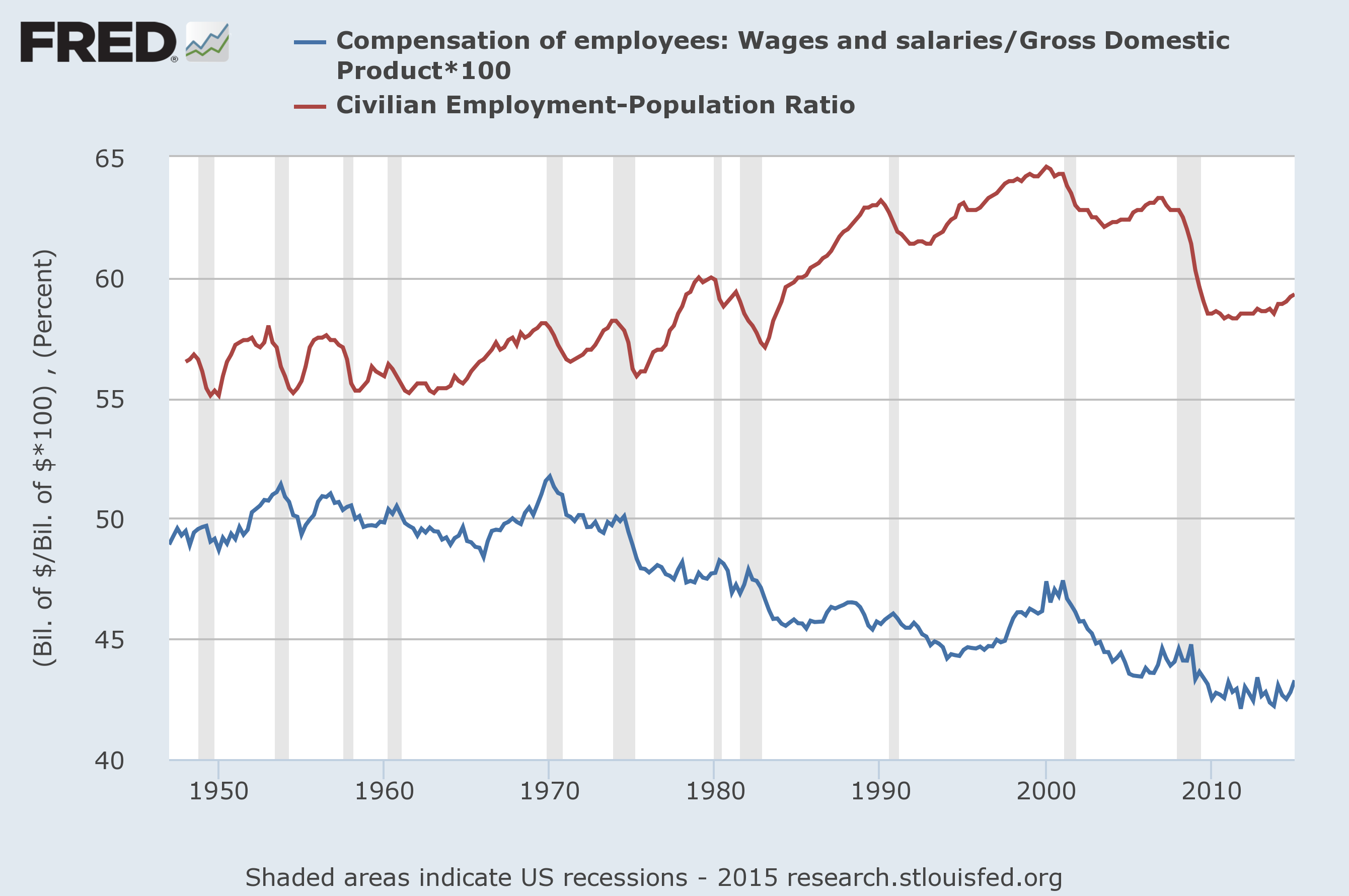
The employment rate, also known as the employment-to-population ratio, is a statistical measure that calculates the proportion of a country's working age population (typically ages 15 to 64) that is employed. This includes people who have worked at least one hour in gainful employment in the most recent week, as defined by the International Labour Organization. The employment rate is usually calculated and reported periodically by national agencies of statistics, using survey data collection and taxpayer registration information. For example, in the United States, the Bureau of Labor Statistics (BLS) releases monthly employment rates, which are closely watched by economists and policymakers. In 2022, the employment rate in the US was around 60%, according to the BLS. The employment rate is an important indicator of a country's economic health, as it reflects the ability of the economy to provide jobs for its working age population. A high employment rate can indicate a strong economy, while a low employment rate can indicate a weak economy. The employment rate is also influenced by factors such as education level, job skills, and demographic changes. For instance, countries with high levels of education and job training tend to have higher employment rates, as seen in countries like Sweden and Denmark. On the other hand, countries with aging populations and low birth rates may face challenges in maintaining high employment rates, as seen in countries like Japan and Italy.
📊 Origins & History
The concept of employment rates has been around for decades, with the first employment surveys conducted in the United States in the 1940s. The International Labour Organization (ILO) has been a key player in developing and promoting the use of employment rates as a statistical measure. The ILO defines employment as working at least one hour in gainful employment in the most recent week. For example, the ILO has worked with countries like China and India to develop and implement employment surveys. The employment rate is usually calculated and reported periodically by national agencies of statistics, using survey data collection and taxpayer registration information.
📈 How It Works
The employment rate is calculated by dividing the number of employed people by the total working age population, and then multiplying by 100. The employment rate can be calculated for different age groups, such as 15-24, 25-54, and 55-64. The employment rate can also be calculated for different industries, such as manufacturing, services, and agriculture. For instance, the employment rate in the manufacturing sector in the US was around 8% in 2022, according to the BLS. The employment rate is an important indicator of a country's economic health, as it reflects the ability of the economy to provide jobs for its working age population.
📊 Key Facts & Numbers
The employment rate varies significantly across countries and regions. In 2022, the employment rate in the European Union was around 58%, while in the United States it was around 60%. The employment rate is also influenced by factors such as education level, job skills, and demographic changes. For example, countries with high levels of education and job training tend to have higher employment rates, as seen in countries like Sweden and Denmark. On the other hand, countries with aging populations and low birth rates may face challenges in maintaining high employment rates, as seen in countries like Japan and Italy. The employment rate is also affected by economic factors such as GDP growth, inflation, and interest rates.
👥 Key People & Organizations
Key people and organizations involved in the calculation and reporting of employment rates include national agencies of statistics, such as the Bureau of Labor Statistics (BLS) in the United States, and international organizations such as the International Labour Organization (ILO). The BLS releases monthly employment rates, which are closely watched by economists and policymakers. The ILO provides technical assistance and support to countries to develop and implement employment surveys and calculate employment rates. For example, the ILO has worked with countries like South Africa and Brazil to develop and implement employment surveys.
🌍 Cultural Impact & Influence
The employment rate has a significant cultural impact and influence on society. A high employment rate can indicate a strong economy and a high standard of living, while a low employment rate can indicate a weak economy and a low standard of living. The employment rate is also influenced by cultural factors such as education level, job skills, and demographic changes. For instance, countries with high levels of education and job training tend to have higher employment rates, as seen in countries like Sweden and Denmark. On the other hand, countries with aging populations and low birth rates may face challenges in maintaining high employment rates, as seen in countries like Japan and Italy. The employment rate is also affected by social factors such as poverty, inequality, and social exclusion.
⚡ Current State & Latest Developments
The current state of employment rates is closely watched by economists and policymakers. In 2022, the employment rate in the US was around 60%, according to the BLS. The employment rate is influenced by economic factors such as GDP growth, inflation, and interest rates. The employment rate is also affected by demographic changes, such as an aging population and low birth rates. For example, countries like Japan and Italy are facing challenges in maintaining high employment rates due to their aging populations and low birth rates. The employment rate is also influenced by technological changes, such as automation and artificial intelligence, which can displace certain jobs and create new ones.
🤔 Controversies & Debates
There are controversies and debates surrounding the calculation and reporting of employment rates. Some critics argue that the employment rate does not capture the full range of employment experiences, such as underemployment and precarious work. Others argue that the employment rate is influenced by factors such as education level, job skills, and demographic changes, which can make it difficult to compare employment rates across countries and regions. For example, the employment rate in the US is influenced by the high level of education and job training in the country, as seen in the work of economists like Alan Greenspan and Ben Bernanke.
🔮 Future Outlook & Predictions
The future outlook for employment rates is uncertain and depends on a range of factors, including economic growth, technological change, and demographic trends. Some experts predict that employment rates will continue to rise in the coming years, driven by strong economic growth and low unemployment. Others predict that employment rates will decline, due to factors such as automation and artificial intelligence, which can displace certain jobs and create new ones. For instance, the work of experts like Andrew Ng and Yann LeCun has highlighted the potential impact of AI on employment rates.
💡 Practical Applications
The practical applications of employment rates are numerous. Employment rates can be used to evaluate the effectiveness of economic policies and programs, such as job training and education initiatives. Employment rates can also be used to identify areas of high unemployment and underemployment, and to develop targeted interventions to address these issues. For example, the work of organizations like World Bank and IMF has highlighted the importance of employment rates in evaluating economic development and poverty reduction strategies.
Key Facts
- Year
- 2022
- Origin
- United States
- Category
- economics
- Type
- concept
Frequently Asked Questions
What is the employment rate?
The employment rate, also known as the employment-to-population ratio, is a statistical measure that calculates the proportion of a country's working age population that is employed. This includes people who have worked at least one hour in gainful employment in the most recent week, as defined by the International Labour Organization. For example, in the US, the employment rate is calculated by the Bureau of Labor Statistics (BLS) using survey data collection and taxpayer registration information.
How is the employment rate calculated?
The employment rate is calculated by dividing the number of employed people by the total working age population, and then multiplying by 100. The employment rate can be calculated for different age groups, such as 15-24, 25-54, and 55-64. The employment rate can also be calculated for different industries, such as manufacturing, services, and agriculture. For instance, the employment rate in the manufacturing sector in the US was around 8% in 2022, according to the BLS.
What is the current employment rate in the US?
The current employment rate in the US is around 60%, according to the BLS. The employment rate is influenced by economic factors such as GDP growth, inflation, and interest rates. The employment rate is also affected by demographic changes, such as an aging population and low birth rates. For example, countries like Japan and Italy are facing challenges in maintaining high employment rates due to their aging populations and low birth rates.
What are the implications of a high employment rate?
A high employment rate can indicate a strong economy and a high standard of living. A high employment rate can also lead to increased consumer spending, economic growth, and low unemployment. However, a high employment rate can also lead to inflation and wage growth, which can be a challenge for businesses and policymakers. For instance, the work of economists like Milton Friedman and John Maynard Keynes has highlighted the importance of employment rates in understanding economic fluctuations and business cycles.
What are the implications of a low employment rate?
A low employment rate can indicate a weak economy and a low standard of living. A low employment rate can also lead to poverty, inequality, and social exclusion. However, a low employment rate can also lead to decreased consumer spending, economic stagnation, and high unemployment. For example, countries like Greece and Spain have faced challenges in maintaining high employment rates due to their economic crises and high levels of debt.
How does the employment rate affect the economy?
The employment rate has a significant impact on the economy, as it reflects the ability of the economy to provide jobs for its working age population. A high employment rate can indicate a strong economy, while a low employment rate can indicate a weak economy. The employment rate is also influenced by economic factors such as GDP growth, inflation, and interest rates. For instance, the work of experts like Andrew Ng and Yann LeCun has highlighted the potential impact of AI on employment rates and the economy.
What are the challenges in maintaining high employment rates?
There are several challenges in maintaining high employment rates, including demographic changes, such as an aging population and low birth rates, and technological changes, such as automation and artificial intelligence. These changes can displace certain jobs and create new ones, making it challenging for policymakers to maintain high employment rates. For example, countries like Japan and Italy are facing challenges in maintaining high employment rates due to their aging populations and low birth rates.