
Contents
Overview
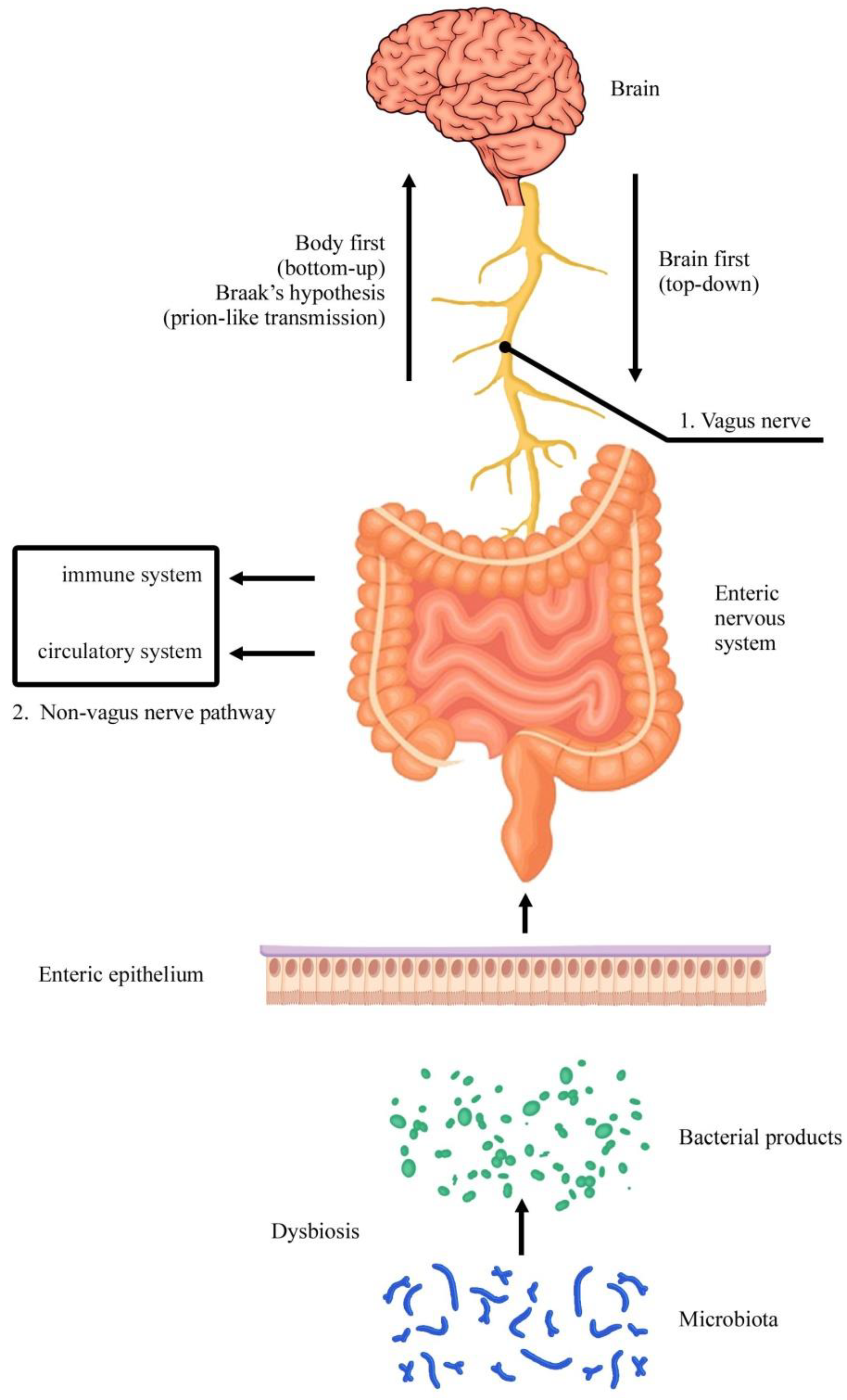
The enteric nervous system (ENS) is a complex network of neurons embedded within the walls of the gastrointestinal tract, often dubbed the 'second brain' due to its remarkable autonomy. Comprising a vast neural network—reportedly containing upwards of 100 million neurons according to some sources—it governs essential digestive functions like motility, secretion, and blood flow, independent of the central nervous system (CNS). Derived from neural crest cells, the ENS is intricately linked to the brain via the vagus nerve and sympathetic nervous system, forming a crucial component of the autonomic nervous system. Its independent operation and profound influence on mood and health have propelled it to the forefront of neuroscience and gastroenterology research.
🎵 Origins & History
The concept of a 'gut brain' has roots stretching back to the 19th century, with early anatomists like Arthur Moritz Mallory describing the intricate neural plexuses within the gut wall. However, it wasn't until the mid-20th century that researchers like Guillaume Duchenne and later Walter Bree began to truly appreciate its independent capabilities. The derivation of the ENS from neural crest cells during embryonic development provided a critical piece of its developmental puzzle. This understanding shifted the ENS from a mere relay station to a sophisticated, semi-autonomous system, fundamentally altering our perception of gut physiology.
⚙️ How It Works
The ENS operates through two primary interconnected plexuses: the myenteric plexus (Auerbach's plexus), located between the longitudinal and circular muscle layers, and the submucosal plexus (Meissner's plexus), situated in the submucosa. These plexuses contain a diverse array of neurons, including sensory neurons that detect luminal contents, interneurons that process information, and motor neurons that control muscle contractions and glandular secretions. Neurotransmitters such as serotonin, dopamine, and acetylcholine are employed extensively, mirroring those in the CNS, to orchestrate complex digestive processes like peristalsis and enzyme release, often without direct CNS command.
📊 Key Facts & Numbers
The scale of the ENS is significant, with some reports estimating it contains between 100 and 500 million neurons. This neural network spans from the esophagus to the anus, with the majority concentrated in the small intestine and large intestine. The ENS utilizes a wide variety of neurotransmitters; serotonin is particularly abundant, with about 90% of the body's total serotonin produced by enterochromaffin cells in the gut lining, acting on ENS neurons.
👥 Key People & Organizations
Pioneering figures in ENS research include Julius H. Lennon, whose work illuminated the neurochemical signaling within the gut, and Michael D. Gershon, whose seminal 1998 book, 'The Second Brain,' popularized the concept. Organizations like the American Gastroenterological Association and the Society for Neurogastronenterology and Motility are at the forefront of advancing research. Pharmaceutical giants like Pfizer and Merck KGaA also invest in understanding ENS-related drug targets for gastrointestinal disorders.
🌍 Cultural Impact & Influence
The ENS's influence extends far beyond digestion, impacting mood, behavior, and even immune function, a concept explored in the burgeoning field of the gut-brain axis. Its role in producing neurotransmitters like serotonin has led to its association with conditions like depression and anxiety. The popularization of probiotics and the microbiome's role in health, as championed by researchers like Jeffrey Gordon, further highlights the cultural fascination with the gut's complex inner workings and its connection to overall well-being.
⚡ Current State & Latest Developments
Current research is intensely focused on the ENS's role in inflammatory bowel diseases (IBD) like Crohn's disease and ulcerative colitis, with new therapeutic targets emerging from understanding how ENS dysfunction contributes to inflammation. Advancements in organoid technology and single-cell RNA sequencing are providing unprecedented resolution into ENS cellular diversity and function. The development of brain-computer interfaces is even being explored for potential applications in modulating ENS activity for therapeutic purposes, a concept gaining traction since around 2022.
🤔 Controversies & Debates
A significant debate revolves around the degree of ENS autonomy. While it can function independently, the extent of its reliance on CNS input for complex behaviors and its role in conditions like Irritable Bowel Syndrome (IBS) remain subjects of intense investigation. Furthermore, the precise mechanisms by which the gut microbiome influences ENS function and vice-versa are still being elucidated, with some researchers arguing for a more direct causal link than others, particularly concerning mental health outcomes.
🔮 Future Outlook & Predictions
The future of ENS research promises novel treatments for a wide range of gastrointestinal disorders, potentially moving beyond symptom management to address root causes. Gene editing technologies like CRISPR-Cas9 may offer avenues for correcting ENS developmental defects. Furthermore, a deeper understanding of the ENS-microbiome-CNS axis could lead to personalized interventions involving diet, probiotics, and even neurostimulation to optimize gut health and, by extension, overall well-being.
💡 Practical Applications
The ENS is reportedly a target for drugs treating conditions like peptic ulcers, though standard treatments like proton pump inhibitors primarily target acid production. Its role in nutrient absorption and waste elimination makes it fundamental to nutritional science and pharmacology. Understanding ENS signaling is also crucial for developing treatments for nausea and vomiting, and for managing the side effects of medications that impact the digestive system, such as those used in chemotherapy.
Key Facts
- Category
- science
- Type
- concept