
Contents
Overview
The genesis of the Fremont Street Experience can be traced back to the early 1990s, a period when downtown Las Vegas, often overshadowed by the newer megaresorts on the Las Vegas Strip, sought a revitalization strategy. Spearheaded by a consortium of downtown casino owners and developers, the project aimed to create a unified entertainment district that would draw crowds back to the historic heart of the city. The ambitious undertaking officially broke ground and opened its doors in July 1995, transforming the westernmost five blocks of Fremont Street into a pedestrian-only zone. This massive urban redevelopment project, costing an estimated $70 million, was designed to capture the nostalgic allure of old Las Vegas while integrating modern spectacle, a vision that would later be amplified by the introduction of the Viva Vision canopy in 1996, a precursor to the current digital marvel. The FSE quickly became a symbol of downtown's resilience and reinvention, drawing inspiration from pedestrianized entertainment zones in other cities but infusing it with the unmistakable Las Vegas flair.
⚙️ How It Works
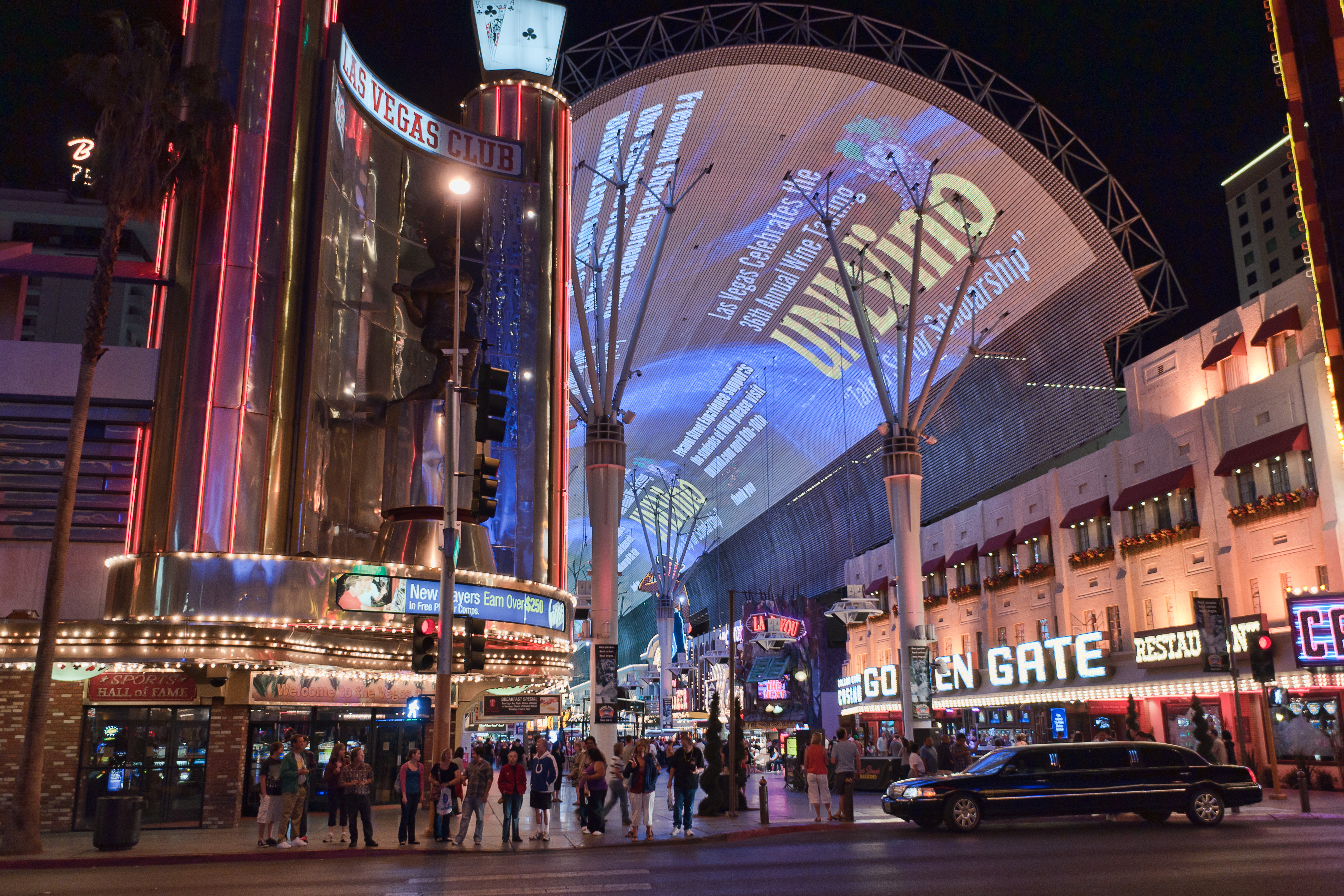
At the heart of the Fremont Street Experience is the "Viva Vision" canopy, a colossal barrel vault structure stretching approximately 1,375 feet (419 m) in length and soaring up to 90 feet (27 m) at its apex. This isn't just a roof; it's one of the world's largest single-video screens, composed of over 12.5 million LED lights. Each night, the canopy comes alive with a series of synchronized light and sound shows, featuring dazzling visuals and music from renowned artists like The Who and DragonForce. Before each show, the surrounding casino lights are dimmed, creating a dramatic blackout effect that amplifies the impact of the digital display. The experience is further enhanced by three distinct stages hosting live musical performances, ranging from cover bands to nationally recognized acts, ensuring a continuous stream of entertainment. Additionally, the SlotZilla zip line allows thrill-seekers to soar beneath the canopy, adding an adrenaline-fueled dimension to the pedestrian experience.
📊 Key Facts & Numbers
The Fremont Street Experience is a quantifiable spectacle. Its Viva Vision canopy spans 1,375 feet (419 m) and stands 90 feet (27 m) high, covering an area of 540,000 square feet (50,000 m²). The LED screen boasts over 12.5 million LEDs and 550,000 watts of power, capable of displaying over 16.7 million distinct colors. Annually, the FSE hosts an estimated 25 million visitors, a figure that underscores its status as a premier tourist destination. The three stages on Fremont Street—Marquee, 1st Street, and 3rd Street—provide a platform for over 600 free concerts each year. The SlotZilla zip line, which operates from a 12-story tower, has seen over 1 million riders since its debut. The annual New Year's Eve celebration here is one of the largest in the United States, drawing upwards of 50,000 attendees on that single night.
👥 Key People & Organizations
The Fremont Street Experience is a collaborative effort, primarily driven by the Fremont Street Experience LLC, a partnership involving the major downtown casino operators. Key figures instrumental in its development and ongoing operation include former Las Vegas Mayor Jan Jones, who championed the revitalization efforts, and various executives from properties like Golden Nugget, Binion's Gambling Hall, and Four Queens. The management team continuously works with entertainment promoters and technology providers, such as Samsung, which has been involved in the canopy's technological upgrades, to curate the nightly shows and live performances. The success of the FSE also relies on the cooperation of the Las Vegas Metropolitan Police Department for crowd control and safety during events.
🌍 Cultural Impact & Influence
The cultural impact of the Fremont Street Experience is undeniable, serving as a powerful symbol of downtown Las Vegas's enduring appeal and adaptability. It has successfully blended the nostalgic "Glitter Gulch" era with futuristic digital entertainment, creating a unique vibe that attracts a diverse demographic. The FSE has influenced urban redevelopment projects in other cities, showcasing how a concentrated pedestrian entertainment zone can revitalize a city's core. Its nightly light shows have become an iconic visual shorthand for Las Vegas, rivaling the Strip in terms of visual recognition for many tourists. The free concert series has also democratized access to live music, making it a cultural hub for locals and visitors alike, fostering a sense of community and shared experience that transcends the typical casino floor.
⚡ Current State & Latest Developments
As of 2024, the Fremont Street Experience continues to innovate and evolve. Recent developments include ongoing upgrades to the Viva Vision canopy's technology, aiming for even more immersive and high-definition visual experiences. The introduction of new zip line experiences and the expansion of interactive elements are also on the horizon. The FSE management has been actively working to attract a wider range of events, from niche festivals to larger corporate gatherings, further diversifying its appeal beyond traditional tourism. There's a continuous effort to integrate new food and beverage options and retail experiences to enhance the overall visitor journey, ensuring the district remains a dynamic and competitive entertainment destination against the backdrop of the ever-changing Las Vegas economy.
🤔 Controversies & Debates
The Fremont Street Experience is not without its controversies. Critics sometimes argue that the sheer scale and sensory overload of the light shows can detract from the more intimate, classic Vegas charm that some visitors seek. There have been debates regarding the allocation of public and private funds for its upkeep and upgrades, particularly when compared to other downtown infrastructure needs. Furthermore, the FSE's success has sometimes led to concerns about gentrification and the displacement of long-standing local businesses that cannot compete with the rising rents and the focus on high-volume tourism. The constant evolution of technology also raises questions about the long-term sustainability and cost of maintaining such a massive digital display, a topic frequently discussed among urban planners and entertainment technologists.
🔮 Future Outlook & Predictions
The future of the Fremont Street Experience appears poised for continued technological advancement and experiential expansion. Projections suggest further integration of augmented reality (AR) elements into the canopy shows and the surrounding environment, allowing visitors to interact with digital content through their mobile devices. There's also speculation about expanding the entertainment offerings to include more immersive, theatrical performances or themed zones that build upon the district's unique character. As Las Vegas continues to grow and diversify, the FSE is likely to focus on solidifying its identity as a distinct entertainment hub, potentially attracting new types of events and visitors who seek an alternative to the megaresort model. The ongoing competition with newer entertainment venues and the evolving preferences of travelers will undoubtedly shape its trajectory, pushing for greater innovation and unique selling propositions.
💡 Practical Applications
The Fremont Street Experience serves as a prime example of how technology can be leveraged to revitalize urban spaces and create unique tourist attractions. Its Viva Vision canopy is a functional application of large-scale LED display technology, demonstrating its potential for public art and entertainment. The FSE also provides a platform for live music and performance art, acting as a de facto outdoor concert venue that supports musicians and entertainers. The SlotZilla zip line showcases the integration of adventure tourism within an urban setting, offering a novel way to experience a city's skyline. Furthermore, the FSE's model of a pedestrianized entertainment district with a central, unifying attraction can be studied by city planners and developers looking to create similar vibrant public spaces in other metropolitan areas.
Key Facts
- Category
- culture
- Type
- topic