
Contents
- 🏯 Origins & History
- 🚧 How It Was Built
- 📊 Key Facts & Numbers
- 👥 Key Archaeologists & Organizations
- 🌍 Cultural Impact & Influence
- ⚡ Current State & Latest Developments
- 🤔 Controversies & Debates
- 🔮 Future Outlook & Predictions
- 💡 Practical Applications
- 📚 Related Topics & Deeper Reading
- Frequently Asked Questions
- References
- Related Topics
Overview
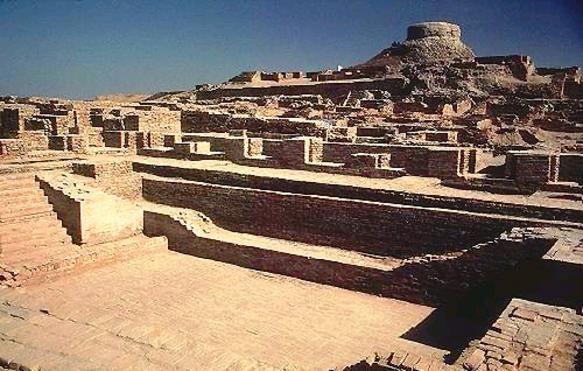
The Great Bath is an ancient, sophisticated water management system and one of the most impressive structures of the Harappan Civilization, discovered at Mohenjo-daro in present-day Pakistan. Dating back to the third millennium BCE, this architectural marvel was built soon after the construction of the citadel mound, showcasing the advanced engineering skills of the Harappans. With its complex network of drains, wells, and bathing areas, the Great Bath is a testament to the civilization's emphasis on public health, hygiene, and urban planning. As a symbol of the Indus Valley Civilization's achievements, the Great Bath has been extensively studied by archaeologists, including Sir John Marshall and Sir Mortimer Wheeler, who have shed light on its historical significance and cultural importance. The site has also been recognized by UNESCO as a World Heritage Site, acknowledging its value as a cultural and historical treasure. Today, the Great Bath remains an enigmatic and fascinating piece of history, with ongoing research and excavations continuing to uncover its secrets, including the work of the Archaeological Survey of Pakistan and the Pakistan Heritage Foundation, in collaboration with international institutions like the UNESCO World Heritage Centre and the British Museum.
🏯 Origins & History
The Great Bath was constructed during the Urban Period of the Harappan Civilization, which flourished from around 2600 to 1900 BCE. This period saw the rise of sophisticated urban centers, including Mohenjo-daro and Harappa, which were characterized by advanced water management systems, public baths, and well-planned architecture. The Great Bath, in particular, was built on a raised platform, with a complex system of drains and wells that supplied water to the bathing area. Archaeologists, such as Sir John Marshall and Sir Mortimer Wheeler, have extensively studied the site, providing valuable insights into the construction techniques and materials used by the Harappans, including the use of kiln-fired bricks and the sophisticated drainage system, as described in the works of David Lewis-Williams and Jonathan Marcus.
🚧 How It Was Built
The construction of the Great Bath is a testament to the advanced engineering skills of the Harappans. The structure consists of a large, rectangular bathing area, with a series of steps leading down to the water's edge. The bathing area is surrounded by a complex network of drains and wells, which supplied water to the bath and removed wastewater. The Harappans used a variety of materials, including kiln-fired bricks, mud bricks, and wood, to construct the Great Bath. The site has been extensively excavated by archaeologists, including those from the Archaeological Survey of Pakistan and the British Museum, who have uncovered a wealth of information about the construction techniques and materials used by the Harappans, as well as the cultural and historical context of the site, including the influence of other ancient civilizations, such as the Sumerians and the Egyptians.
📊 Key Facts & Numbers
The Great Bath is an impressive structure, measuring over 14 meters in length and 7 meters in width. The bathing area is surrounded by a series of steps, with a total of 7 steps leading down to the water's edge. The structure is built using a combination of kiln-fired bricks and mud bricks, with a sophisticated drainage system that includes a series of drains and wells. The site has been dated to the third millennium BCE, with archaeological evidence indicating that it was built soon after the raising of the citadel mound on which it is located. The Great Bath is also notable for its advanced water management system, which included a complex network of pipes and channels that supplied water to the bath and removed wastewater, as described in the works of Kenneth Wheeler and Peter Daniels.
👥 Key Archaeologists & Organizations
The Great Bath has been extensively studied by archaeologists, including Sir John Marshall and Sir Mortimer Wheeler. These scholars have provided valuable insights into the construction techniques and materials used by the Harappans, as well as the cultural and historical context of the site. The site has also been recognized by UNESCO as a World Heritage Site, acknowledging its value as a cultural and historical treasure. Today, the Great Bath remains an important site for archaeological research, with ongoing excavations and studies continuing to uncover its secrets, including the work of the UNESCO World Heritage Centre and the Pakistan Heritage Foundation.
🌍 Cultural Impact & Influence
The Great Bath has had a significant impact on our understanding of the Harappan Civilization and its achievements. The site has provided valuable insights into the advanced engineering skills of the Harappans, as well as their emphasis on public health, hygiene, and urban planning. The Great Bath has also been recognized as a symbol of the Indus Valley Civilization's achievements, with its sophisticated water management system and advanced architectural techniques. The site has been extensively studied by scholars, including Jonathan Kenoyer and Richard Meadow, who have written about the cultural and historical significance of the Great Bath, including its influence on the development of urban planning and architecture in the ancient world, as seen in the works of Leonard Woolley and V. Gordon Childe.
⚡ Current State & Latest Developments
Today, the Great Bath remains an important site for archaeological research, with ongoing excavations and studies continuing to uncover its secrets. The site has been recognized by UNESCO as a World Heritage Site, acknowledging its value as a cultural and historical treasure. The Great Bath is also an important tourist destination, with visitors from around the world coming to see this ancient wonder. However, the site faces several challenges, including the need for conservation and preservation, as well as the impact of tourism on the site, as discussed by Ian Morrison and George F. Dukas.
🤔 Controversies & Debates
The Great Bath has been the subject of several controversies and debates, including the question of its original purpose and function. Some scholars have argued that the Great Bath was used for ritual or ceremonial purposes, while others have suggested that it was used for more practical purposes, such as public bathing or washing. The site has also been the subject of controversy over its conservation and preservation, with some scholars arguing that the site is being damaged by tourism and neglect, as discussed by Robert Brill and Carl Lamberg-Karlovsky.
🔮 Future Outlook & Predictions
The future of the Great Bath is uncertain, with several challenges facing the site, including the need for conservation and preservation, as well as the impact of tourism on the site. However, the site remains an important part of our cultural heritage, and efforts are being made to protect and preserve it for future generations, including the work of the UNESCO World Heritage Centre and the Pakistan Heritage Foundation. The Great Bath is also an important symbol of the Indus Valley Civilization's achievements, and its study continues to provide valuable insights into the culture and history of this ancient civilization, as seen in the works of Dilip K. Chakrabarti and M.K. Dhavalikar.
💡 Practical Applications
The Great Bath has several practical applications, including its use as a model for modern water management systems and urban planning. The site has also been used as a case study for the development of sustainable tourism practices, as well as the conservation and preservation of cultural heritage sites, as discussed by Paul Tiyambe Zeleza and Ali Ibrahim. The Great Bath is also an important part of our cultural heritage, and its study continues to provide valuable insights into the culture and history of the Indus Valley Civilization, including the influence of other ancient civilizations, such as the Babylonians and the Assyrians.
Key Facts
- Year
- 2600 BCE
- Origin
- Mohenjo-daro, Pakistan
- Category
- history
- Type
- archaeological site
Frequently Asked Questions
What is the Great Bath?
The Great Bath is an ancient, sophisticated water management system and one of the most impressive structures of the Harappan Civilization, discovered at Mohenjo-daro in present-day Pakistan. The site has been extensively studied by archaeologists, including Sir John Marshall and Sir Mortimer Wheeler, who have provided valuable insights into the construction techniques and materials used by the Harappans, as well as the cultural and historical context of the site, including the influence of other ancient civilizations, such as the Sumerians and the Egyptians.
When was the Great Bath built?
The Great Bath was built in the third millennium BCE, soon after the raising of the citadel mound on which it is located. The site has been dated to around 2600 BCE, with archaeological evidence indicating that it was built during the Urban Period of the Harappan Civilization, as discussed by Jonathan Kenoyer and Richard Meadow.
What is the significance of the Great Bath?
The Great Bath is a testament to the advanced engineering skills of the Harappans, with its sophisticated water management system and advanced architectural techniques. The site has been recognized by UNESCO as a World Heritage Site, acknowledging its value as a cultural and historical treasure, and has been extensively studied by scholars, including Dilip K. Chakrabarti and M.K. Dhavalikar.
How was the Great Bath constructed?
The Great Bath was constructed using a combination of kiln-fired bricks and mud bricks, with a sophisticated drainage system that included a series of drains and wells. The site has been extensively excavated by archaeologists, including those from the Archaeological Survey of Pakistan and the British Museum, who have uncovered a wealth of information about the construction techniques and materials used by the Harappans, as well as the cultural and historical context of the site, including the influence of other ancient civilizations, such as the Babylonians and the Assyrians.
What are the challenges facing the Great Bath today?
The Great Bath faces several challenges, including the need for conservation and preservation, as well as the impact of tourism on the site. The site has been recognized by UNESCO as a World Heritage Site, acknowledging its value as a cultural and historical treasure, and efforts are being made to protect and preserve it for future generations, including the work of the UNESCO World Heritage Centre and the Pakistan Heritage Foundation.
What is the future of the Great Bath?
The future of the Great Bath is uncertain, with several challenges facing the site, including the need for conservation and preservation, as well as the impact of tourism on the site. However, the site remains an important part of our cultural heritage, and efforts are being made to protect and preserve it for future generations, including the work of the UNESCO World Heritage Centre and the Pakistan Heritage Foundation. The Great Bath is also an important symbol of the Indus Valley Civilization's achievements, and its study continues to provide valuable insights into the culture and history of this ancient civilization, as seen in the works of Paul Tiyambe Zeleza and Ali Ibrahim.
What are the practical applications of the Great Bath?
The Great Bath has several practical applications, including its use as a model for modern water management systems and urban planning. The site has also been used as a case study for the development of sustainable tourism practices, as well as the conservation and preservation of cultural heritage sites, as discussed by Robert Brill and Carl Lamberg-Karlovsky.
How does the Great Bath relate to other ancient civilizations?
The Great Bath has been influenced by other ancient civilizations, including the Sumerians and the Egyptians. The site has also been compared to other ancient water management systems, such as those found in Ancient Mesopotamia and Ancient Egypt. The Great Bath is also an important part of our cultural heritage, and its study continues to provide valuable insights into the culture and history of the Indus Valley Civilization, including the influence of other ancient civilizations, such as the Phoenicians and the Greek Civilization.