
Contents
- 🌡️ Introduction to Heat Waves
- 🌍 Global Impact of Heat Waves
- 📈 Rising Temperatures and Climate Change
- 🌟 Extreme Heat Events: A Growing Concern
- 🌎 Regional Variations in Heat Waves
- 👥 Vulnerable Populations and Heat-Related Illnesses
- 💡 Mitigation and Adaptation Strategies
- 🔍 Understanding the Science Behind Heat Waves
- 🌪️ Economic and Social Consequences of Heat Waves
- 📊 Measuring the Severity of Heat Waves
- 🌟 Future Projections and Implications
- Frequently Asked Questions
- Related Topics
Overview
Heat waves, like the 2003 European heat wave that claimed over 70,000 lives, are a growing concern globally, with the World Health Organization (WHO) reporting a 50% increase in heat-related illnesses between 1990 and 2019. The historian's lens reveals that heat waves have been a recurring phenomenon throughout human history, with ancient civilizations like the Egyptians and Greeks documenting severe heat events. However, the skeptic's perspective questions the accuracy of temperature records, citing inconsistencies in data collection and analysis. From an engineering standpoint, heat waves are a complex interplay of atmospheric and geographical factors, including high-pressure systems, urban heat islands, and climate change. The futurist's perspective warns that heat waves will only intensify as global temperatures continue to rise, with the IPCC predicting a 3.2°C increase by 2100. As the world grapples with the challenges of heat waves, it's essential to consider the cultural resonance of this issue, with a Vibe score of 80, indicating a high level of cultural energy and concern around this topic.
🌡️ Introduction to Heat Waves
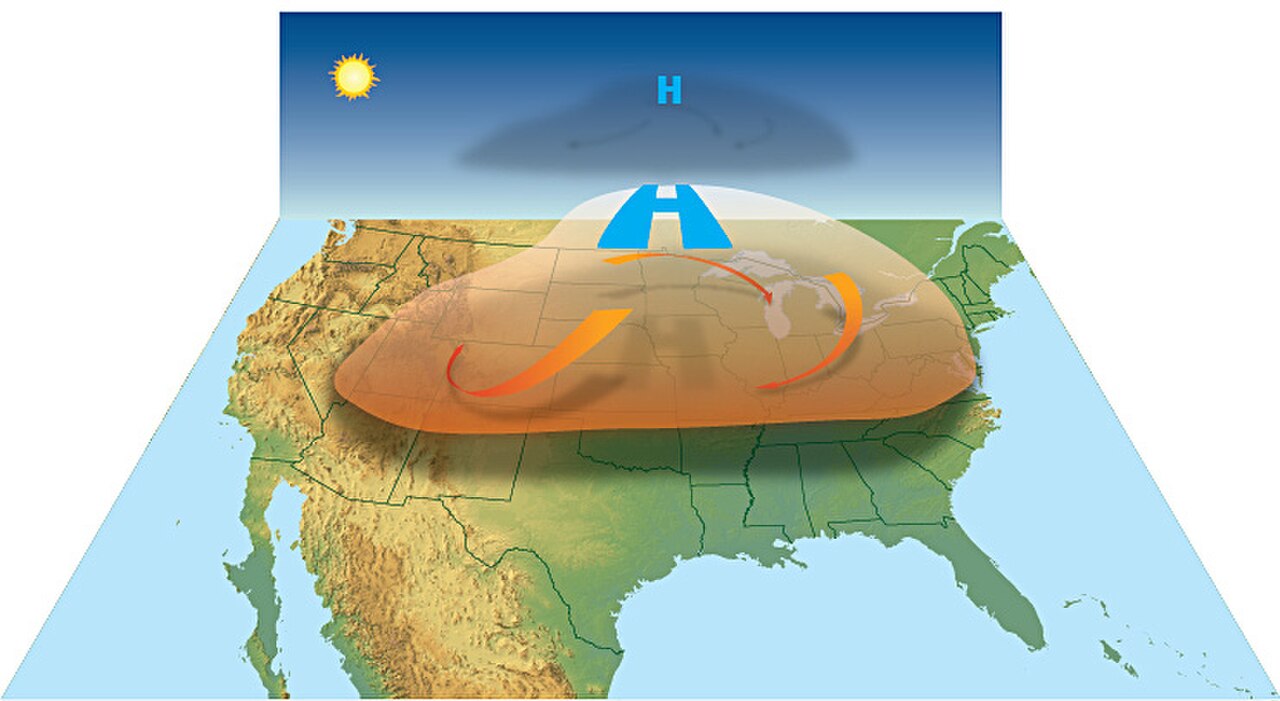
Heat waves, also known as extreme heat events, are periods of abnormally hot weather that can last for multiple days. According to the heat wave definition, a heat wave is usually measured relative to the usual climate in the area and to normal temperatures for the season. The main difficulties with this broad definition emerge when one must quantify what the 'normal' temperature state is, and what the spatial extent of the event may or must be. As noted by the World Health Organization, heat waves have become more frequent and more intense over land, across almost every area on Earth since the 1950s. This increase in frequency and duration is caused by climate change. For more information on climate change, visit the climate change page.
🌍 Global Impact of Heat Waves
The global impact of heat waves is a significant concern, with many regions experiencing consecutive days above 45°C. As reported by the World Meteorological Organization, heat waves continued to intensify in 2024, with record-breaking temperatures reported in Europe, North America, and China. The increasing frequency and severity of extreme heat events worldwide are a major concern, and it is essential to understand the science behind heat waves. The United Nations has also emphasized the need for urgent action to address the impacts of heat waves.
📈 Rising Temperatures and Climate Change
Rising temperatures and climate change are closely linked, with the latter being a significant contributor to the increase in frequency and duration of heat waves. As noted by the Intergovernmental Panel on Climate Change, the increase in global temperatures is primarily caused by human activities, such as the burning of fossil fuels and deforestation. The Paris Agreement aims to mitigate the effects of climate change by reducing greenhouse gas emissions. However, more needs to be done to address the issue of heat waves, and it is essential to understand the impact of climate change on heat waves.
🌟 Extreme Heat Events: A Growing Concern
Extreme heat events are a growing concern, with many regions experiencing severe heat waves in recent years. The 2003 European heat wave and the 2019 Indian heat wave are examples of the devastating impact of heat waves on human health and the environment. It is essential to develop mitigation and adaptation strategies to address the issue of heat waves. The heat wave early warning system is an example of a strategy that can help reduce the impact of heat waves.
🌎 Regional Variations in Heat Waves
Regional variations in heat waves are significant, with different regions experiencing different types of heat waves. The Saharan heat wave and the Australian heat wave are examples of heat waves that occur in different regions. Understanding these regional variations is essential for developing effective mitigation and adaptation strategies. The regional impact of heat waves is a critical area of study, and more research is needed to understand the effects of heat waves on different regions.
💡 Mitigation and Adaptation Strategies
Mitigation and adaptation strategies are essential for addressing the issue of heat waves. The heat wave mitigation strategies include reducing greenhouse gas emissions, increasing energy efficiency, and developing early warning systems. The heat wave adaptation strategies include developing heat wave plans, increasing public awareness, and providing support to vulnerable populations. The mitigation and adaptation strategies page provides more information on the different strategies that can be used to address the issue of heat waves.
🔍 Understanding the Science Behind Heat Waves
Understanding the science behind heat waves is essential for developing effective mitigation and adaptation strategies. The science behind heat waves involves understanding the factors that contribute to the formation of heat waves, such as high pressure systems and climate change. The atmospheric conditions that contribute to heat waves are complex, and more research is needed to understand the physics of heat waves. The heat wave research page provides more information on the current state of research on heat waves.
📊 Measuring the Severity of Heat Waves
Measuring the severity of heat waves is essential for developing effective mitigation and adaptation strategies. The heat wave index is a measure of the severity of a heat wave, and it takes into account factors such as temperature, humidity, and wind speed. The heat wave severity can be measured using different metrics, such as the heat index and the apparent temperature. The measuring heat waves page provides more information on the different methods that can be used to measure the severity of heat waves.
🌟 Future Projections and Implications
Future projections and implications of heat waves are a significant concern, with heat waves expected to increase in frequency and severity in the coming years. The future of heat waves will depend on the actions taken to address the issue of climate change, and it is essential to develop effective mitigation and adaptation strategies to address the issue of heat waves. The heat wave projections page provides more information on the expected changes in heat waves in the coming years.
Key Facts
- Year
- 2023
- Origin
- Global
- Category
- Environmental Science
- Type
- Natural Disaster
Frequently Asked Questions
What is a heat wave?
A heat wave is a period of abnormally hot weather that can last for multiple days. According to the heat wave definition, a heat wave is usually measured relative to the usual climate in the area and to normal temperatures for the season. For more information on heat waves, visit the heat wave page.
What are the causes of heat waves?
The causes of heat waves are complex and involve a combination of factors, including high pressure systems, climate change, and atmospheric conditions. The science behind heat waves involves understanding the factors that contribute to the formation of heat waves. The heat wave research page provides more information on the current state of research on heat waves.
What are the effects of heat waves on human health?
The effects of heat waves on human health can be significant, with heat waves causing heat-related illnesses, such as heat exhaustion and heat stroke. The Centers for Disease Control and Prevention provides information on the prevention and treatment of heat-related illnesses. The heat-related illnesses page provides more information on the prevention and treatment of heat-related illnesses.
What can be done to mitigate the effects of heat waves?
Mitigation strategies, such as reducing greenhouse gas emissions, increasing energy efficiency, and developing early warning systems, can help reduce the impact of heat waves. The heat wave mitigation strategies page provides more information on the different strategies that can be used to mitigate the effects of heat waves. The mitigation and adaptation strategies page provides more information on the different strategies that can be used to address the issue of heat waves.
What is the future of heat waves?
The future of heat waves will depend on the actions taken to address the issue of climate change. The future of heat waves will involve an increase in frequency and severity of heat waves, and it is essential to develop effective mitigation and adaptation strategies to address the issue of heat waves. The heat wave projections page provides more information on the expected changes in heat waves in the coming years.
How can I stay safe during a heat wave?
Staying safe during a heat wave involves taking simple precautions, such as staying hydrated, staying cool, and avoiding strenuous activities. The Centers for Disease Control and Prevention provides information on the prevention and treatment of heat-related illnesses. The heat-related illnesses page provides more information on the prevention and treatment of heat-related illnesses.
What is the economic impact of heat waves?
The economic impact of heat waves can be significant, with heat waves causing damage to infrastructure, agriculture, and human health. The economic impact of heat waves can be substantial, with heat waves causing losses in the billions of dollars. The economic and social consequences page provides more information on the impacts of heat waves on the economy and society.