
Contents
Overview
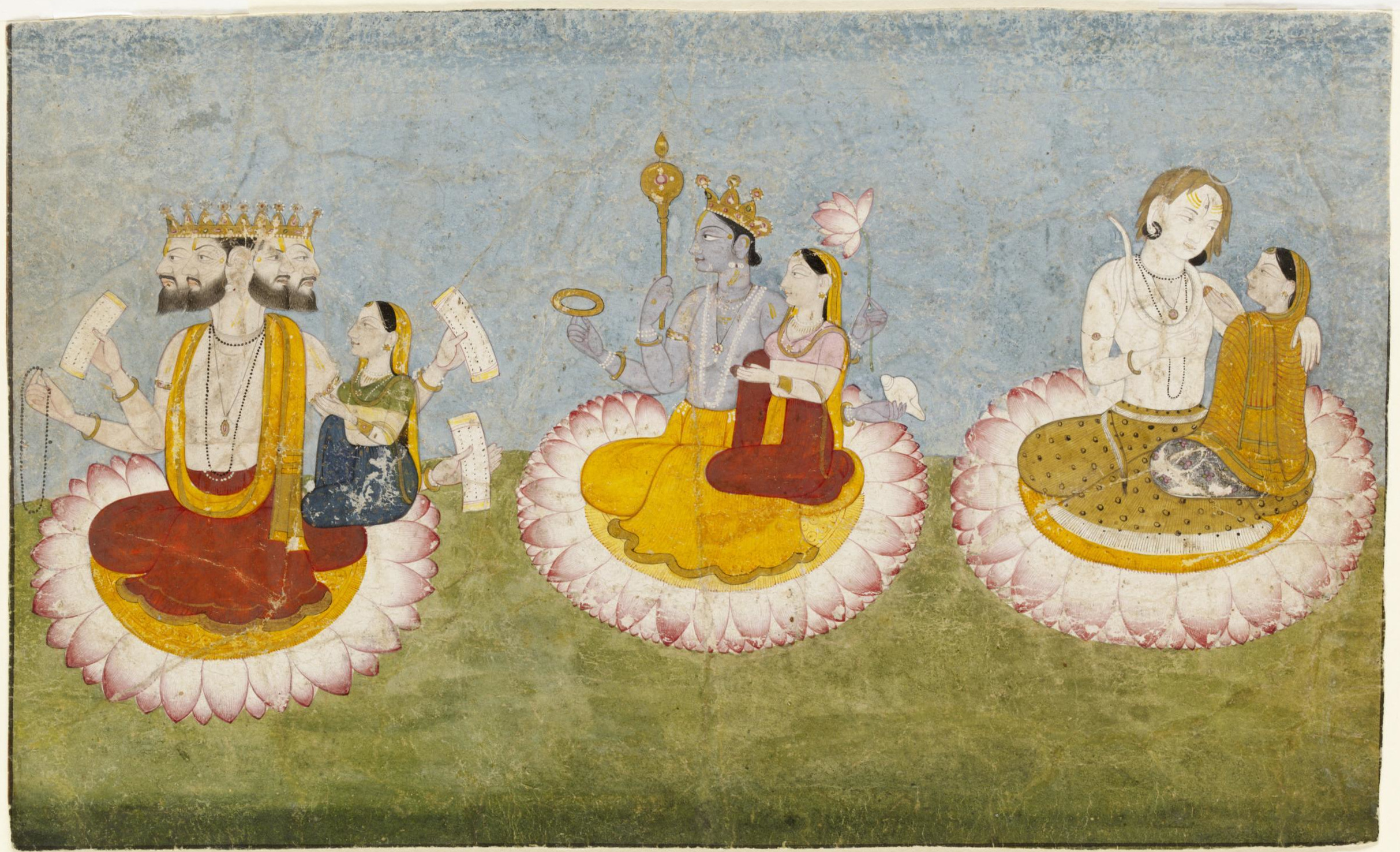
Hindu mythology is a vast and intricate tapestry of narratives, deities, and philosophical concepts originating from the Indian subcontinent. These stories, primarily found in sacred texts like the Vedas, Mahabharata, and Ramayana, as well as the Puranas, explore themes of dharma, karma, reincarnation, and the ultimate reality of Brahman. It encompasses a pantheon of gods and goddesses, including the Trimurti—Brahma, Vishnu, and Shiva—each embodying different cosmic functions. These myths are not mere tales but serve as vehicles for transmitting moral, ethical, and spiritual teachings, shaping the worldview and practices of billions worldwide. The influence of Hindu mythology extends far beyond India, impacting art, literature, philosophy, and popular culture globally, with its vibrant characters and profound narratives continuing to resonate through millennia.
🎵 Origins & History
Early Vedic texts, such as the Rigveda, contain hymns that allude to cosmic battles and divine figures, laying the groundwork for later mythological developments. Regional traditions, such as the Tamil Periya Puranam and Bengali Mangal Kavya, also contributed unique narratives and local deities, demonstrating the dynamic evolution and regional diversification of Hindu myths across the Indian subcontinent.
⚙️ How It Works
Hindu mythology operates on multiple levels, serving as both narrative and philosophical allegory. At its core, it explains the creation, maintenance, and destruction of the universe through the actions of deities like Brahma (the creator), Vishnu (the preserver), and Shiva (the destroyer), collectively known as the Trimurti. The concept of Avataras, divine incarnations of Vishnu such as Rama and Krishna, illustrates the principle of divine intervention to restore dharma (cosmic order). Myths often explore the eternal struggle between Devas (gods) and Asuras (demons), symbolizing the internal conflict between good and evil. The cyclical nature of time, with its epochs of creation and dissolution, is a fundamental concept, driven by the law of karma and the process of samsara (reincarnation). These narratives are rich with symbolism, with each deity, object, and event often carrying deeper philosophical meanings related to Moksha (liberation).
📊 Key Facts & Numbers
The Mahabharata is considered the longest epic poem in the world. Brahman is the single ultimate reality. The influence of these myths is evident in artistic creation, including thousands of temples adorned with mythological scenes.
👥 Key People & Organizations
While Hindu mythology is a collective tradition rather than a single authored work, several key figures and texts are central. The ancient Rishis (sages) are credited with composing the Vedas, the foundational scriptures. Vyasa is traditionally credited with compiling the Mahabharata and the Puranas. Valmiki is revered as the author of the Ramayana. Within the pantheon, Vishnu and his avatars like Krishna and Rama, along with Shiva and Devi (the Great Goddess), are among the most widely worshipped deities. Organizations like the Ramakrishna Mission and the ISKCON (International Society for Krishna Consciousness) play significant roles in disseminating and preserving these mythological traditions through their educational and spiritual activities worldwide.
🌍 Cultural Impact & Influence
The cultural impact of Hindu mythology is profound and far-reaching, extending beyond the Indian subcontinent to influence Southeast Asia, and more recently, Western cultures. Its narratives have inspired countless works of art, sculpture, dance, and drama for millennia, with iconic depictions of deities like Shiva as Nataraja (Lord of Dance) or Vishnu reclining on Shesha adorning temples and galleries. The philosophical underpinnings, particularly concepts like karma and dharma, have permeated global thought. In contemporary times, characters and stories from Hindu mythology have found their way into popular culture, appearing in Hollywood films, comic books like Marvel Comics' Thor (who has been depicted interacting with Hindu deities), and video games such as Smite. The philosophical depth and rich characterizations continue to inspire new interpretations and adaptations, demonstrating a remarkable cultural resilience and adaptability.
⚡ Current State & Latest Developments
In 2024, Hindu mythology remains a vibrant and evolving cultural force. There's a continuous stream of new interpretations in literature, film, and digital media. For instance, the animated series 'The Legend of Hanuman' on Disney+ Hotstar has achieved significant popularity, showcasing the epic tale of Hanuman to a new generation. Academic interest remains strong, with ongoing scholarly work analyzing the texts and their historical context. Furthermore, the global diaspora of Hindus ensures the continued practice and transmission of these myths through religious festivals, community gatherings, and educational initiatives. The rise of digital platforms has also enabled wider access to mythological content, from online lectures to interactive storytelling apps.
🤔 Controversies & Debates
Hindu mythology is not without its controversies and debates. One significant area of contention is the interpretation of certain myths, particularly those involving caste or gender roles, which are sometimes criticized for perpetuating social inequalities. The historicity of epic events, such as the Mahabharata war, is a subject of ongoing debate among historians and archaeologists, with some arguing for literal interpretations and others for allegorical ones. The appropriation and commercialization of Hindu deities and symbols in Western popular culture also spark discussions about cultural sensitivity and respect. Additionally, the sheer diversity of traditions within Hinduism means that interpretations of myths can vary widely, leading to internal debates about orthodoxy and tradition.
🔮 Future Outlook & Predictions
The future of Hindu mythology appears to be one of continued adaptation and global diffusion. As digital technologies advance, we can expect more immersive and interactive ways to experience these ancient stories, potentially through virtual reality or advanced AI-driven storytelling platforms. The philosophical concepts embedded within the myths, such as mindfulness, detachment, and the interconnectedness of all beings, are likely to gain further traction in a world seeking meaning and ethical guidance. While traditional interpretations will persist, new scholarly and creative works will undoubtedly continue to challenge and expand our understanding, ensuring that Hindu mythology remains a dynamic and relevant force for centuries to come. The ongoing dialogue between tradition and modernity will shape how these timeless narratives are understood and applied in the 21st century and beyond.
💡 Practical Applications
The practical applications of Hindu mythology are diverse, extending from spiritual guidance to ethical frameworks and artistic inspiration. The philosophical concepts of dharma (duty/righteousness) and karma (action and consequence) provide a moral compass for millions, influencing personal conduct and societal norms. The stories themselves serve as powerful pedagogical tools, teaching moral lessons through the actions of gods, heroes, and demons. In the realm of arts and culture, Hindu myths are a perennial source of inspiration for painters, sculptors, dancers, musicians, and writers, leading to a rich heritage of artistic expression. Furthermore, the yogic and meditative practices associated with Hindu traditions, often explained through mythological narratives,
Key Facts
- Category
- culture
- Type
- topic