
Contents
Overview
The concept of a 'home appliance' is as old as civilization itself, evolving from the earliest tools for food preparation and preservation. Ancient civilizations utilized rudimentary devices like hearths for cooking and pottery for storage, precursors to modern ovens and refrigerators. The true genesis of the modern home appliance, however, lies in the late 19th and early 20th centuries with the advent of electricity and gas. Innovations like the electric iron and the electric toaster marked a significant departure from manual labor. This era saw a surge in American innovation, driven by a desire to alleviate the burden of household chores, particularly as the availability of domestic servants dwindled. Companies like General Electric and Westinghouse were at the forefront, developing and mass-producing early electric appliances that began to transform the domestic sphere.
⚙️ How It Works
At their core, home appliances function by converting energy—typically electrical or gas—into mechanical work or heat to perform specific domestic tasks. Refrigerators, for instance, employ a vapor-compression cycle to extract heat from an insulated compartment, preserving food. Washing machines utilize electric motors to agitate clothes in water and detergent, while ovens use heating elements (electric) or gas burners to generate high temperatures for cooking. Modern appliances often incorporate sophisticated microcontrollers and sensors to manage cycles, optimize energy consumption, and provide user feedback. The integration of IoT technology has further advanced their functionality, enabling remote control and data monitoring through platforms like Amazon Alexa or Google Assistant.
📊 Key Facts & Numbers
The global home appliance market is a colossal economic force. The Energy Star program in the U.S. certifies appliances that use 10-50% less energy than standard models. The market is dominated by a few major players, with Haier Group, LG Electronics, and Samsung Electronics consistently ranking among the top global manufacturers.
👥 Key People & Organizations
While the development of home appliances is a collective technological endeavor, certain figures and organizations stand out. Early pioneers like Henry Seeley, who patented the electric iron, laid foundational groundwork. Companies such as Whirlpool Corporation and Maytag became titans in the industry, shaping consumer expectations and product design. In the digital age, figures like Steve Jobs, though not directly an appliance designer, influenced the paradigm of user-friendly interfaces and integrated ecosystems that now permeate smart home devices, impacting how we interact with appliances. Organizations like the Association of Home Appliance Manufacturers (AHAM) play a vital role in setting industry standards and advocating for policy.
🌍 Cultural Impact & Influence
Home appliances have profoundly reshaped domestic life and cultural norms. The mechanization of household tasks freed up significant time, particularly for women, contributing to changing gender roles and enabling greater participation in education and the workforce. The widespread adoption of refrigerators and freezers revolutionized food preservation, impacting diets and reducing food waste. The aesthetic of the kitchen, once purely functional, has become a design focal point, with appliances like SMEG refrigerators becoming cultural icons. Furthermore, the concept of 'convenience' has become deeply ingrained in Western culture, largely facilitated by these domestic machines, influencing everything from consumer expectations to urban planning and housing design. The very notion of a 'modern home' is inextricably linked to the presence and functionality of these devices.
⚡ Current State & Latest Developments
The current landscape of home appliances is defined by rapid technological integration and a strong emphasis on sustainability. Smart home technology is no longer a niche offering; refrigerators with built-in screens, ovens controllable via smartphone apps, and washing machines that order their own detergent are becoming mainstream. AI is being integrated to optimize performance, predict maintenance needs, and personalize user experiences. Energy efficiency remains a paramount concern, with manufacturers investing heavily in heat pump technology for dryers and advanced insulation for refrigerators. The COVID-19 pandemic also spurred innovation in areas like air purification and enhanced hygiene features in appliances, reflecting evolving consumer priorities. Companies are increasingly focusing on circular economy principles, designing for durability and repairability.
🤔 Controversies & Debates
The development and proliferation of home appliances are not without controversy. Early adoption was often limited to affluent households, exacerbating social inequalities. Concerns about the environmental impact of manufacturing, energy consumption, and electronic waste are persistent. The planned obsolescence of some appliances, designed to fail after a certain period, has drawn criticism from consumer advocacy groups and fueled the right to repair movement. Furthermore, the increasing connectivity of appliances raises significant data privacy and cybersecurity concerns, as these devices can collect vast amounts of user data. The ethical implications of automation in the home, including potential job displacement for domestic workers, also remain a subject of debate.
🔮 Future Outlook & Predictions
The future of home appliances points towards even greater integration, intelligence, and sustainability. We can expect appliances to become more proactive, anticipating user needs and optimizing their own operation through advanced machine learning algorithms. The concept of the 'connected kitchen' will likely expand into a fully integrated 'smart home ecosystem,' where appliances communicate seamlessly with each other and with smart grids to manage energy usage dynamically. Innovations in materials science may lead to more durable, lighter, and self-cleaning surfaces. Furthermore, the focus on sustainability will intensify, with a greater emphasis on appliances powered by renewable energy sources and designed for complete recyclability. The line between appliance and personal assistant will continue to blur, with devices offering more personalized services and support.
💡 Practical Applications
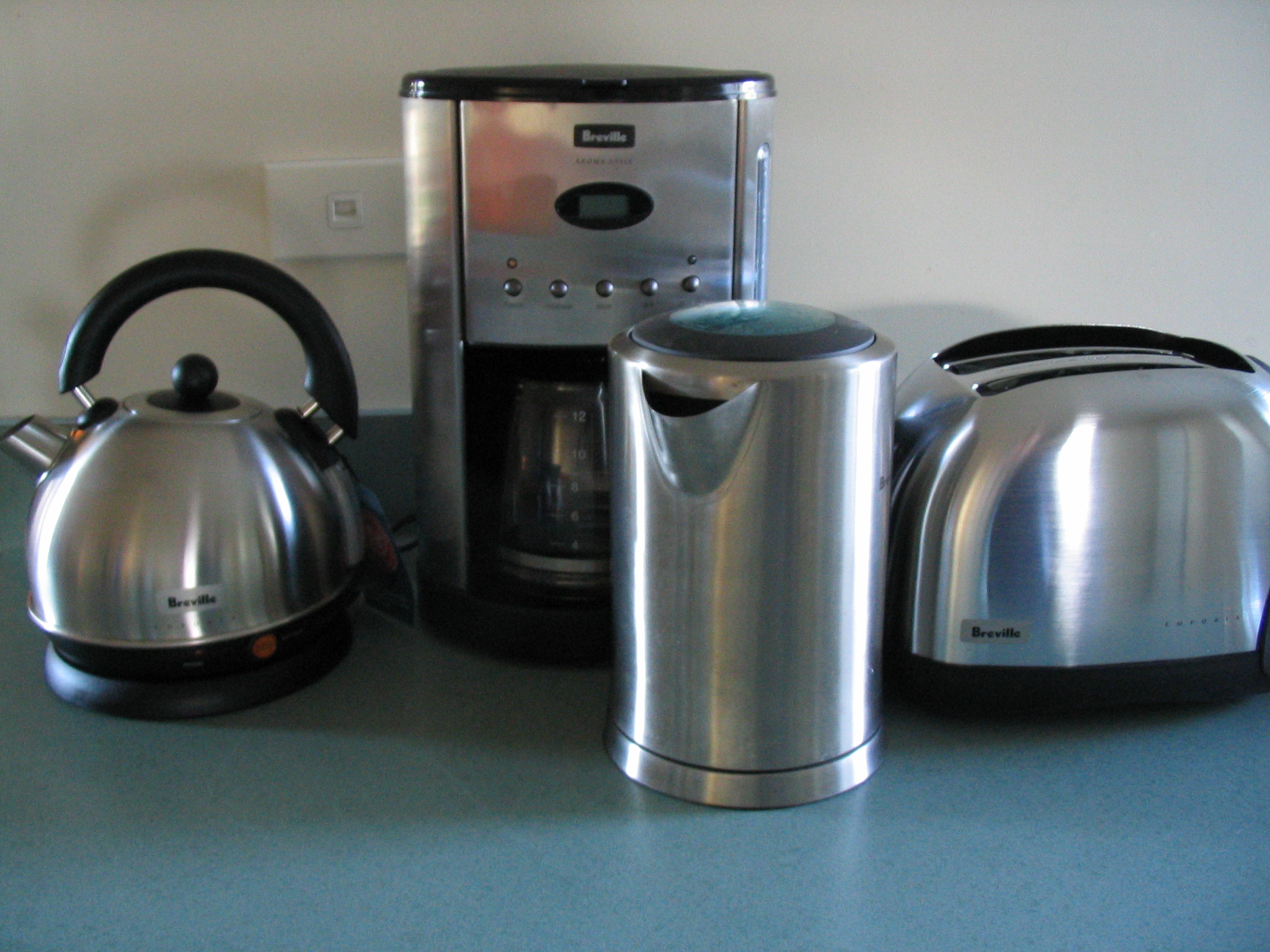
Home appliances are indispensable tools in modern living, covering a vast spectrum of domestic functions. In the kitchen, refrigerators and freezers are crucial for food preservation, while ovens, stovetops, and microwaves handle cooking. Dishwashers automate a tedious chore, and smaller appliances like blenders, toasters, and coffee makers enhance culinary convenience. For cleaning, washing machines and dryers are staples, complemented by vacuum cleaners and air purifiers for maintaining household hygiene. Climate control is managed by air conditioners and furnaces, while water heaters ensure hot water availability. Even entertainment systems and smart speakers can be considered part of the broader home appliance ecosystem.
Key Facts
- Category
- technology
- Type
- topic