
Contents
- 🧠 What is Human Memory?
- 📍 The Architecture of Recall
- ⏳ Types of Memory: A Functional Breakdown
- 💡 Encoding: The First Step to Remembering
- 🗄️ Storage: Where Memories Reside
- 🔍 Retrieval: Accessing Stored Information
- 📉 Memory Failures: Forgetting and Amnesia
- 🚀 Enhancing Your Memory: Practical Strategies
- ⚖️ Debates in Memory Science
- 🌟 The Cultural Resonance of Memory
- 🔮 The Future of Memory Research
- 🔗 Related Vibepedia Entries
- Frequently Asked Questions
- Related Topics
Overview
Human memory is the intricate biological and cognitive system that allows us to encode, store, and retrieve information and experiences. It's not a single entity but a complex interplay of different systems, including sensory memory, short-term (working) memory, and long-term memory (episodic, semantic, procedural). Our understanding of memory has evolved dramatically, from early philosophical debates to modern neuroscience, revealing its plasticity, its fallibility, and its profound impact on identity, learning, and decision-making. The mechanisms involve synaptic changes, neural networks, and the dynamic interplay of brain regions like the hippocampus and amygdala. Debates persist regarding the precise nature of memory storage and retrieval, and the ethical implications of memory manipulation technologies are rapidly emerging.
🧠 What is Human Memory?
Human memory is the fundamental cognitive process that allows us to encode, store, and retrieve information, shaping our very sense of self and our interactions with the world. Without it, the development of language, the formation of relationships, and the very concept of personal identity would be impossible. It's not a static filing cabinet but a dynamic, reconstructive process, constantly influenced by our current experiences and emotions. Understanding its mechanics is key to navigating our own minds and the collective human experience.
📍 The Architecture of Recall
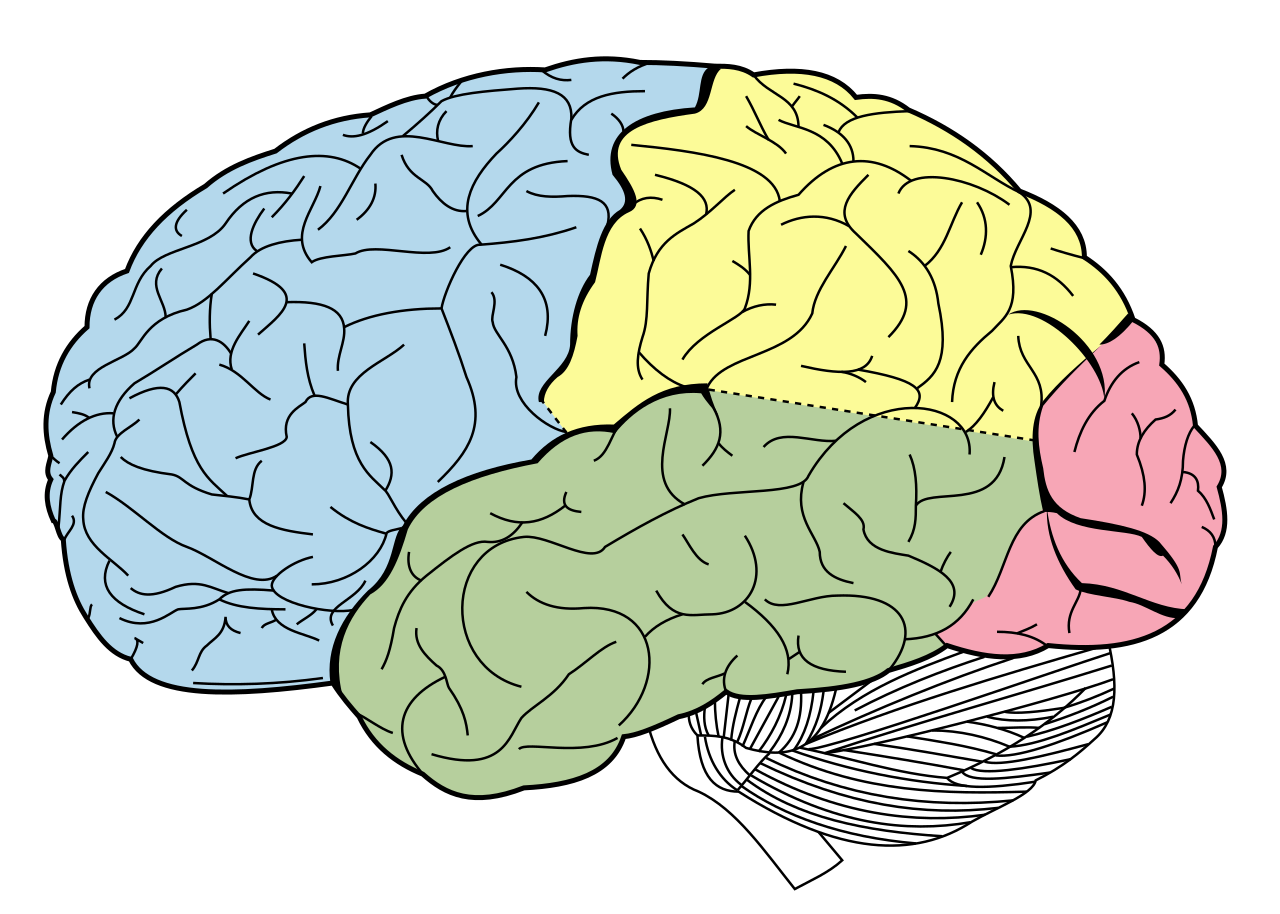
The architecture of memory is a complex interplay of neural networks and biochemical processes, primarily involving the hippocampus for consolidation and the neocortex for long-term storage. Neuroscientists have mapped distinct pathways for different types of memory, from the rapid firing of neurons in working memory to the more enduring synaptic changes associated with long-term potentiation. This intricate biological substrate underpins our ability to learn, adapt, and build a continuous narrative of our lives.
⏳ Types of Memory: A Functional Breakdown
Memory isn't a monolithic entity; it's functionally divided into several key types. Sensory memory acts as a fleeting buffer for incoming stimuli, lasting mere milliseconds. Short-term memory, often conflated with working memory, holds a limited amount of information for seconds to minutes, crucial for immediate tasks. Long-term memory is our vast repository, further categorized into explicit (declarative) memory for facts and events, and implicit (non-declarative) memory for skills and habits. Each type operates with distinct mechanisms and capacities.
💡 Encoding: The First Step to Remembering
Encoding is the initial process of transforming sensory input into a format that can be stored in memory. This involves paying attention to information, processing it semantically (understanding its meaning), and linking it to existing knowledge. Techniques like mnemonics and elaborative rehearsal aim to create stronger, more distinctive memory traces. The depth and nature of this initial processing significantly impact how well information will be retained and later recalled.
🗄️ Storage: Where Memories Reside
Storage refers to the maintenance of encoded information over time. While once thought to be a passive process, current models suggest memory traces are dynamic and can be modified. Long-term storage is believed to involve physical changes in neural connections, a process known as synaptic plasticity. Different types of memories are thought to be stored in distributed networks across the brain, rather than in single locations, making them resilient yet susceptible to disruption.
🔍 Retrieval: Accessing Stored Information
Retrieval is the act of accessing and bringing stored information back into conscious awareness. This process is often cue-dependent, meaning specific triggers or contexts can facilitate recall. However, retrieval is also reconstructive; we don't simply replay memories but rather rebuild them, which can lead to inaccuracies or distortions. The efficiency of retrieval is influenced by factors like the strength of the memory trace and the presence of interfering information.
📉 Memory Failures: Forgetting and Amnesia
Memory failures, commonly known as forgetting or amnesia, can range from minor everyday slips to severe cognitive impairments. Forgetting can occur due to decay (memory traces fading over time), interference (new or old information blocking recall), or retrieval failure. Amnesia, often caused by brain injury, disease, or trauma, can result in the inability to form new memories (anterograde amnesia) or recall past events (retrograde amnesia). Understanding these failures sheds light on the fragility and complexity of memory systems.
🚀 Enhancing Your Memory: Practical Strategies
Enhancing memory involves employing strategies that improve encoding, storage, and retrieval. Techniques such as spaced repetition, active recall, and ensuring adequate sleep are scientifically proven to boost retention. Lifestyle factors like regular exercise, a balanced diet, and stress management also play a crucial role in maintaining cognitive function and memory health. Engaging in mentally stimulating activities can also help build cognitive reserve.
⚖️ Debates in Memory Science
The field of memory science is rife with debate. One major controversy surrounds the nature of memory storage: are memories stored as discrete physical traces (engrams) or as distributed patterns of neural activity? Another ongoing discussion concerns the accuracy of eyewitness testimony, with research highlighting the malleability and suggestibility of repressed memories. The very definition and boundaries of different memory systems also remain subjects of active investigation.
🌟 The Cultural Resonance of Memory
Memory is deeply woven into the fabric of human culture. From oral traditions and historical archives to personal diaries and digital media, societies constantly grapple with how to preserve, transmit, and interpret their collective past. The way we remember influences our art, literature, and even our political narratives. The concept of collective memory highlights how shared experiences and historical accounts shape group identity and social cohesion.
🔮 The Future of Memory Research
The future of memory research is poised for significant breakthroughs, driven by advancements in neuroscience and artificial intelligence. Researchers are exploring novel ways to treat memory disorders like Alzheimer's disease, potentially through targeted pharmacological interventions or brain-computer interfaces. The development of sophisticated memory-enhancing technologies and a deeper understanding of memory's role in consciousness are also on the horizon, promising to redefine our relationship with our own past.
Key Facts
- Year
- Ancient Origins (Philosophical) / 19th Century (Scientific Study)
- Origin
- Ancient Greece (Plato, Aristotle)
- Category
- Cognitive Science & Psychology
- Type
- Core Concept
Frequently Asked Questions
What is the difference between short-term and long-term memory?
Short-term memory (STM) holds a limited amount of information for a brief period, typically seconds to minutes, and is crucial for immediate tasks. Long-term memory (LTM) has a vast capacity and can store information for extended periods, from days to a lifetime. STM acts as a temporary workspace, while LTM is our permanent storage system for knowledge, skills, and experiences.
Can memory be improved with age?
While some cognitive functions may decline with age, memory can often be maintained or even improved through consistent effort. Engaging in mentally stimulating activities, maintaining a healthy lifestyle with regular exercise and a balanced diet, and practicing memory-enhancing techniques like spaced repetition are effective strategies for supporting memory function at any age.
What causes amnesia?
Amnesia can result from various factors, including head injuries, strokes, brain infections, tumors, and severe emotional trauma. Certain medical conditions, such as Alzheimer's disease, and the use of specific medications or substances can also lead to memory loss. The specific type and severity of amnesia depend on the location and extent of brain damage.
How reliable is eyewitness testimony?
Eyewitness testimony can be surprisingly unreliable. Memory is reconstructive, meaning it can be influenced by post-event information, suggestion, and stress. Factors like the duration of the event, the witness's focus, and the time elapsed since the event can all impact accuracy. Psychologists have extensively documented how easily memories can be distorted or even fabricated.
What is the role of sleep in memory?
Sleep plays a critical role in memory consolidation, the process by which fragile new memories are transformed into stable, long-term ones. During sleep, particularly during specific stages like slow-wave sleep and REM sleep, the brain replays and strengthens neural connections associated with recent experiences. Insufficient sleep significantly impairs memory formation and recall.
Are memories stored in a single location in the brain?
No, memories are not stored in a single location. Instead, they are believed to be distributed across networks of neurons throughout the brain. Different components of a memory (e.g., visual, auditory, emotional aspects) may be stored in different brain regions, and these networks are reactivated during recall.