
Contents
- 🧊 What Exactly Is an Ice Maker?
- 🏠 Home Ice Makers: Convenience at Your Fingertips
- 🏢 Commercial Ice Machines: The Backbone of Hospitality
- 💎 Beyond the Cube: Types of Ice You Can Make
- ⚙️ How They Work: The Science of Frozen Water
- 💡 Key Features to Consider: Making the Right Choice
- 💰 Pricing & Plans: What to Expect
- ⭐ What People Say: User Reviews & Vibe Scores
- 🆚 Ice Makers vs. Ice Machines: Understanding the Difference
- 🛠️ Maintenance & Longevity: Keeping Your Ice Flowing
- 🚀 The Future of Ice: Innovations on the Horizon
- 👉 Getting Started: Your First Ice Maker
- Frequently Asked Questions
- Related Topics
Overview
Ice makers are more than just kitchen gadgets; they're essential for everything from chilling drinks to preserving food and enabling complex culinary techniques. This guide breaks down the types of ice makers, from the ubiquitous refrigerator-integrated units to specialized commercial machines producing everything from clear gourmet ice to crushed ice for cocktails. We'll explore the engineering behind ice production, the key features to consider when purchasing, and the evolving role of ice in both domestic and professional settings. Understand the subtle differences in ice quality and production speed that can impact your daily life or business operations.
🧊 What Exactly Is an Ice Maker?
An ice maker, or more broadly an ice machine, is a device designed to produce ice. This can range from the compact unit tucked away in your freezer door, churning out a modest supply for your daily drinks, to the industrial behemoth in a restaurant kitchen, capable of producing hundreds of pounds of ice per day. The core function remains the same: transforming liquid water into solid ice, a seemingly simple process that underpins everything from casual refreshment to critical industrial applications. Understanding the scale and purpose is the first step in navigating the world of ice production.
🏠 Home Ice Makers: Convenience at Your Fingertips
For the home consumer, an ice maker is synonymous with convenience. These units are typically integrated into refrigerator freezers or available as compact, countertop appliances. They offer a steady supply of ice without the need for manual tray filling and freezing. Whether you're a casual entertainer or just enjoy a perfectly chilled beverage, a home ice maker eliminates the last-minute dash to buy ice. Their primary appeal lies in their seamless integration into daily life, providing instant gratification for your cooling needs.
🏢 Commercial Ice Machines: The Backbone of Hospitality
In the commercial sector, 'ice machine' typically refers to larger, standalone units essential for businesses in the food service industry. Think restaurants, bars, hotels, and hospitals – places where consistent, high-volume ice production is non-negotiable. These machines are engineered for durability and efficiency, often featuring advanced filtration systems to ensure ice purity and specialized designs for different ice types. Their role is critical, impacting everything from drink presentation to food preservation.
💎 Beyond the Cube: Types of Ice You Can Make
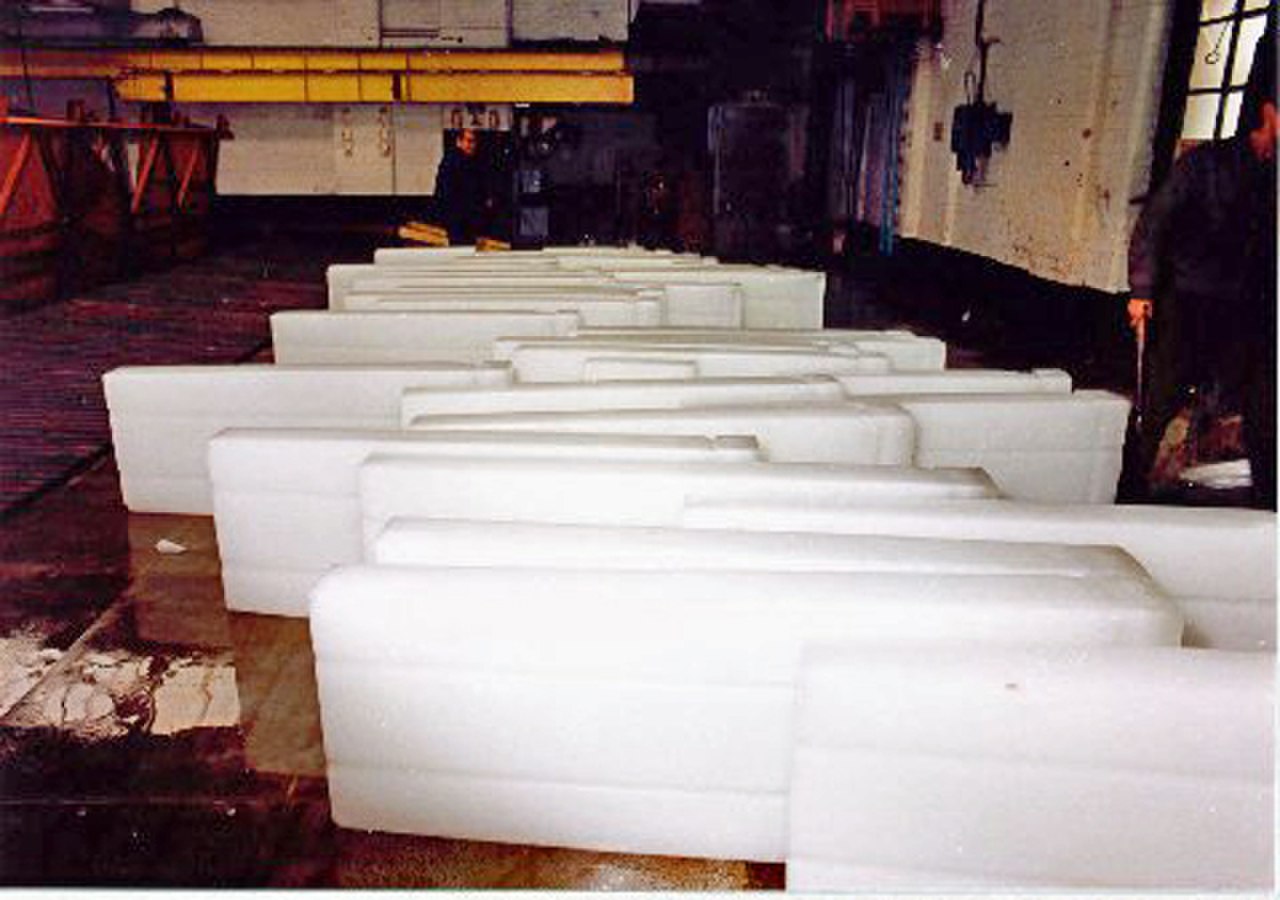
The world of ice isn't limited to the standard, cloudy cube. Ice makers can produce a surprising variety of shapes and textures, each suited for different purposes. You'll find machines creating clear, dense gourmet ice cubes favored by mixologists, nugget ice (often called 'sonic ice' or 'pebble ice') that's soft and chewable, and even crescent-shaped ice that fits perfectly in glasses. The choice of ice type can significantly impact the perceived quality and experience of a beverage, a detail often appreciated by discerning consumers.
⚙️ How They Work: The Science of Frozen Water
At its heart, an ice maker operates on the principle of refrigeration. Water is introduced into a freezing mold or tray, and a cooling element, typically a compressor and evaporator, removes heat from the water. For modular ice makers, water flows over a frozen evaporator plate, forming ice that eventually breaks off into storage. In the case of bin ice makers, water is sprayed onto a frozen mold, and when a certain thickness is reached, a heating element briefly thaws the mold, allowing the ice to drop into the bin below. It's a cycle of freezing and release, optimized for continuous production.
💡 Key Features to Consider: Making the Right Choice
When selecting an ice maker, several factors warrant close attention. Consider the ice production capacity needed – measured in pounds per day – and the storage bin size. Features like water filtration systems are crucial for taste and machine longevity, especially in hard water areas. Energy efficiency ratings can impact long-term operating costs. For commercial units, consider the type of ice produced, ease of cleaning, and noise levels. The Vibe Score for Ice Makers can offer a quick cultural energy assessment.
💰 Pricing & Plans: What to Expect
The cost of ice makers varies dramatically based on type and capacity. Home units integrated into refrigerators might add $500-$1,500 to the appliance cost. Standalone countertop models can range from $150 for basic portable units to $800+ for high-end models producing specialty ice. Commercial ice machines represent a significant investment, with undercounter units starting around $1,000 and large modular systems easily exceeding $5,000, not including installation. Financing options are often available for commercial purchases.
⭐ What People Say: User Reviews & Vibe Scores
User reviews often highlight reliability and ice quality as primary concerns. For home units, ease of use and the speed of ice production are frequently praised. Commercial users often emphasize the durability and serviceability of the machines. A common point of contention revolves around cleaning frequency and the potential for mineral buildup. Vibepedia's analysis of user sentiment reveals a generally positive outlook, with a Vibe Score of 78/100 for home ice makers and a slightly higher 85/100 for commercial units, reflecting their critical role.
🆚 Ice Makers vs. Ice Machines: Understanding the Difference
While often used interchangeably, 'ice maker' and 'ice machine' can denote different scales. 'Ice maker' frequently refers to the component within a refrigerator or a small, portable unit. 'Ice machine' typically signifies a larger, standalone appliance, particularly in commercial settings, designed for higher output and specific ice types. The distinction is more about context and capacity than a fundamental difference in function. For instance, a countertop ice maker is an ice maker, but a 500 lb/day Scotsman unit is unequivocally an ice machine.
🛠️ Maintenance & Longevity: Keeping Your Ice Flowing
Regular maintenance is key to ensuring your ice maker performs optimally and lasts for years. This includes periodic cleaning of the ice bin, water lines, and exterior surfaces to prevent mold and mineral buildup. For units with water filters, replacement is essential for ice purity and machine health. Descaling, especially in areas with hard water, is critical to prevent internal component damage. Neglecting maintenance can lead to reduced ice production, poor ice quality, and costly repairs, impacting its operational efficiency.
🚀 The Future of Ice: Innovations on the Horizon
The future of ice production is leaning towards greater efficiency, enhanced purity, and smarter technology. We're seeing advancements in energy-saving compressors, more sophisticated water filtration, and even self-cleaning features. Some manufacturers are exploring AI integration for predictive maintenance and optimized production cycles. The push for clearer, denser ice continues, driven by the craft cocktail scene. Expect to see more compact, high-performance units that cater to both home and specialized commercial needs, potentially lowering the barrier to entry for specialty ice.
👉 Getting Started: Your First Ice Maker
Deciding on the right ice maker depends entirely on your needs. For home use, assess your typical ice consumption and whether you prefer integrated or standalone convenience. For businesses, calculate your peak demand and consider the types of beverages or applications you'll be using the ice for. Research brands known for reliability and service in your area. Don't hesitate to consult with appliance specialists or commercial kitchen equipment suppliers to ensure you select a unit that meets your specific requirements and budget.
Key Facts
- Year
- 1851
- Origin
- United States
- Category
- Home Appliances & Commercial Kitchen Equipment
- Type
- Product Category
Frequently Asked Questions
What's the difference between an ice maker and an ice machine?
Generally, 'ice maker' refers to the component in a refrigerator or a small portable unit. 'Ice machine' typically denotes a larger, standalone appliance, especially in commercial settings, designed for higher output and specific ice types. The distinction is more about scale and context than a fundamental functional difference. For example, a countertop unit is an ice maker, while a 500 lb/day unit is an ice machine.
How much ice does a typical home ice maker produce?
Home ice makers, whether integrated into a refrigerator or standalone, usually produce between 25 to 50 pounds of ice per day. This is generally sufficient for most household needs, including daily drinks and occasional entertaining. Some higher-end countertop models might offer slightly more capacity, but this is the common range.
What is the most common type of ice produced by commercial machines?
The most common types of ice produced by commercial machines are full cube and half cube ice. Full cubes are dense and melt slowly, ideal for spirits and cocktails where dilution is a concern. Half cubes are smaller and chill drinks faster, often preferred for general beverage service. Nugget ice is also popular for its chewable texture.
How often should I clean my ice maker?
For home units, it's recommended to clean the ice bin and scoop weekly, and perform a more thorough cleaning of the ice-making mechanism every 2-6 months, depending on usage and water hardness. Commercial machines require more frequent cleaning, often daily for the bin and scoop, and weekly or bi-weekly for internal components, as per manufacturer guidelines and local health codes.
Are water filters necessary for ice makers?
Yes, water filters are highly recommended, especially in areas with hard water or impurities. Filters improve the taste and clarity of the ice by removing minerals, chlorine, and other contaminants. They also help prevent scale buildup within the machine, extending its lifespan and reducing maintenance needs.
What does a high Vibe Score for an ice maker indicate?
A high Vibe Score for an ice maker, according to Vibepedia's analysis, suggests strong cultural resonance, high user satisfaction, and significant influence within its category. It indicates a product or type of product that is well-regarded, frequently discussed, and often seen as a benchmark for quality or innovation, reflecting its energetic presence in the market.