
Contents
Overview
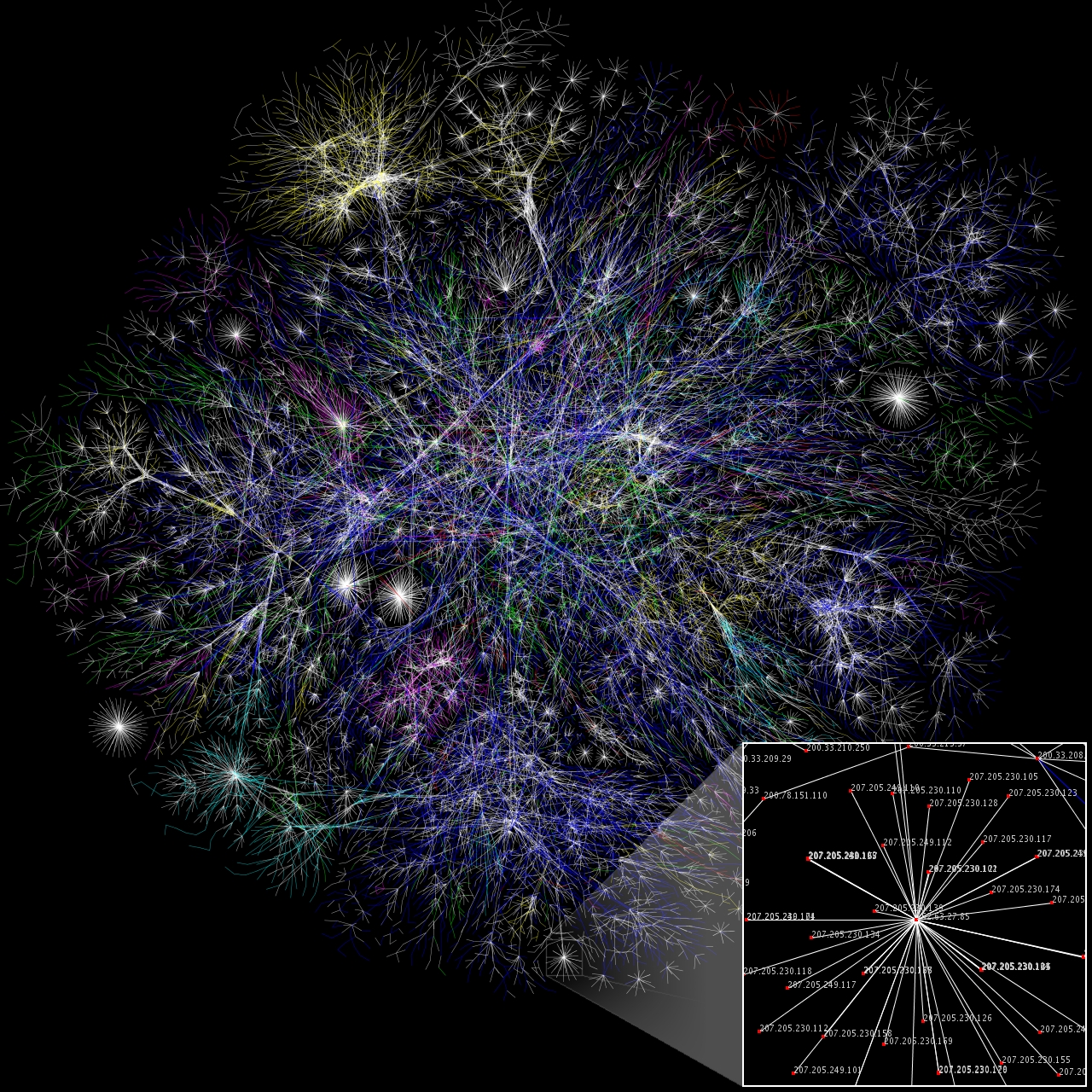
The concept of internet technology began to take shape in the 1960s, when the United States Department of Defense's Advanced Research Projects Agency (ARPA) funded a project to create a network of computers that could communicate with each other, led by Vint Cerf and Bob Kahn. This project, called ARPANET, was the first operational packet switching network, and it paved the way for the development of the modern internet. The internet's early days were marked by the contributions of pioneers like Jon Postel, who managed the assignment of IP addresses and domain names, and Tim Berners-Lee, who invented the World Wide Web. Today, the internet is a global network of interconnected computers and servers, with billions of devices connected to it, including those from Apple, Microsoft, and Huawei.
🔌 How It Works
Internet technology works by using a system of interconnected networks, with each network consisting of a group of computers and servers that communicate with each other using standardized protocols, such as TCP/IP. The internet uses a packet switching approach, where data is broken into small packets and transmitted independently over the network, with companies like Cisco and Juniper Networks providing the necessary infrastructure. The packets are then reassembled at the receiving end, allowing for efficient and reliable data transfer. The internet's infrastructure is supported by a network of undersea cables, satellite connections, and fiber optic cables, with organizations like ICANN and IETF playing a crucial role in its governance and development.
🌍 Cultural Impact
The cultural impact of internet technology has been profound, with the internet revolutionizing the way we communicate, access information, and entertain ourselves. The internet has enabled the creation of new forms of art, music, and literature, with platforms like YouTube, TikTok, and Instagram providing a global audience for creators. It has also enabled the growth of e-commerce, with companies like Amazon and eBay becoming household names, and has transformed the way we learn, with online educational resources like Coursera and Udemy becoming increasingly popular. However, the internet has also raised concerns about privacy, security, and the spread of misinformation, with experts like Bruce Schneier and Danah Boyd warning about the potential risks and consequences.
🔮 Legacy & Future
The legacy and future of internet technology are closely tied to the ongoing development of new technologies and innovations, such as artificial intelligence, blockchain, and the Internet of Things. As the internet continues to evolve, it is likely to play an even more central role in shaping our lives and our societies, with companies like Google, Microsoft, and Facebook investing heavily in research and development. However, it is also important to address the challenges and concerns associated with the internet, such as ensuring equal access, protecting user privacy, and promoting digital literacy, with organizations like UNICEF and UNESCO working to promote digital inclusion and online safety.
Key Facts
- Year
- 1969
- Origin
- United States
- Category
- technology
- Type
- technology
Frequently Asked Questions
What is the difference between the internet and the World Wide Web?
The internet is a global network of interconnected computers and servers, while the World Wide Web is a system of interlinked hypertext documents that are accessed via the internet, with Tim Berners-Lee inventing the fundamental technologies that make the web work.
How does the internet work?
The internet works by using a system of interconnected networks, with each network consisting of a group of computers and servers that communicate with each other using standardized protocols, such as TCP/IP, with companies like Cisco and Juniper Networks providing the necessary infrastructure.
What are the benefits and drawbacks of internet technology?
The benefits of internet technology include global communication, access to information, and online services, while the drawbacks include concerns about privacy, security, and the spread of misinformation, with experts like Bruce Schneier and Danah Boyd warning about the potential risks and consequences.
How has the internet impacted society?
The internet has had a profound impact on society, revolutionizing the way we communicate, access information, and entertain ourselves, with platforms like YouTube, TikTok, and Instagram providing a global audience for creators, and has transformed the way we learn, with online educational resources like Coursera and Udemy becoming increasingly popular.
What is the future of internet technology?
The future of internet technology is closely tied to the ongoing development of new technologies and innovations, such as artificial intelligence, blockchain, and the Internet of Things, with companies like Google, Microsoft, and Facebook investing heavily in research and development.