
Contents
Overview
The genesis of IT auditing is intrinsically linked to the evolution of computing itself. As businesses began to rely on automated systems in the mid-20th century, the need to verify the accuracy and security of data processing emerged. Early audits focused on financial data integrity, but the scope rapidly expanded with the advent of mainframe computing in the 1960s and 70s. The establishment of formal auditing standards by organizations like the ISACA and the IIA provided a framework for these new examinations. The increasing complexity of ERP systems and the rise of cybersecurity concerns in the late 20th century solidified IT auditing as a distinct and critical discipline, moving beyond simple data checks to encompass risk management and control assessments.
⚙️ How It Works
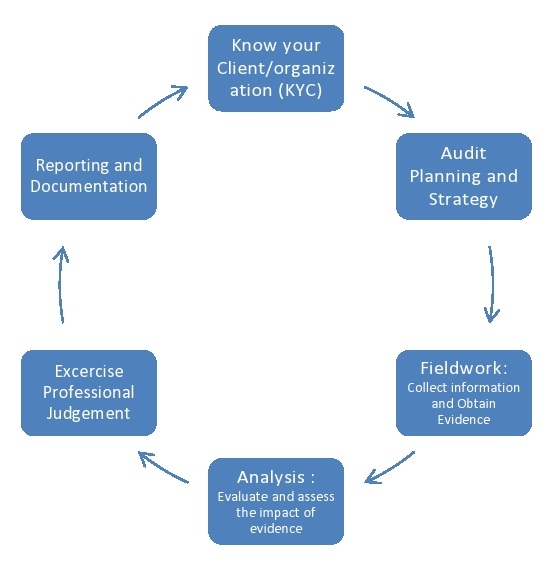
An IT audit typically follows a structured methodology, beginning with planning and scope definition, often in consultation with IT governance stakeholders. The auditor then gathers evidence through various means: reviewing system documentation, interviewing IT staff, observing processes, and conducting tests of controls. These tests might include vulnerability scans, penetration testing, or examining access logs to verify that only authorized personnel can access sensitive data. Auditors assess whether IT controls are designed effectively and operating as intended to mitigate risks related to confidentiality, integrity, and availability. The findings are then documented, and a report is issued, detailing the observed strengths, weaknesses, and specific recommendations for improvement, often referencing frameworks like COBIT or ISO 27001.
📊 Key Facts & Numbers
The global IT audit market was valued at approximately $45 billion in 2023 and is projected to grow at a compound annual growth rate (CAGR) of over 10% through 2030. Organizations typically spend between 0.5% and 2% of their total IT budget on audit and compliance activities annually. A single comprehensive IT audit can cost anywhere from $10,000 for a small business to over $1 million for a large multinational corporation. Studies by Gartner indicate that over 90% of large enterprises conduct regular IT audits, with 75% of them reporting significant improvements in their security posture as a direct result. The average number of critical vulnerabilities identified in a typical IT audit is around 15-20, with remediation efforts often taking 3-6 months to fully implement.
👥 Key People & Organizations
Key players in the IT audit space include specialized consulting firms like Deloitte, PwC, EY, and KPMG (the 'Big Four'), alongside dedicated IT audit and cybersecurity firms. Professional bodies such as the ISACA and the IIA set standards and offer certifications like the CISA and CIA. Prominent figures in the field often emerge from these organizations or from leadership roles within major technology companies and regulatory bodies, shaping best practices and influencing audit methodologies. The development of frameworks like COBIT by ISACA has been instrumental in standardizing audit approaches globally.
🌍 Cultural Impact & Influence
IT audits have profoundly influenced corporate culture and operational discipline. They have elevated the importance of information security from a technical concern to a strategic business imperative. The findings of IT audits often drive significant investments in technology upgrades, employee training, and policy revisions, directly impacting how organizations manage risk and protect their digital assets. The widespread adoption of audit frameworks has fostered a global language for IT risk and control, enabling better comparison and benchmarking across industries and geographies. Moreover, the increasing focus on data privacy, driven by regulations like GDPR, has made IT audits a critical tool for demonstrating accountability and building customer trust.
⚡ Current State & Latest Developments
In 2024, IT audits are increasingly incorporating AI and machine learning to automate repetitive tasks, analyze vast datasets for anomalies, and predict potential risks more effectively. The rise of cloud computing has necessitated new audit approaches, focusing on shared responsibility models and the security of cloud service providers. Continuous auditing, leveraging real-time data analytics, is gaining traction as a more proactive alternative to periodic audits. Furthermore, the growing threat landscape, including sophisticated ransomware attacks and supply chain compromises, is pushing auditors to expand their scope beyond traditional IT controls to encompass broader operational resilience and incident response capabilities. The integration of DevOps practices also requires auditors to adapt their methodologies to assess security and controls within faster development cycles.
🤔 Controversies & Debates
A persistent controversy in IT auditing revolves around the perceived adversarial nature of audits, where IT departments may view auditors as obstacles rather than partners. Critics argue that traditional, periodic audits can be too slow to keep pace with rapidly changing IT environments, potentially missing emerging threats. There's also debate about the effectiveness of self-assessments versus independent, external audits, particularly concerning the depth of scrutiny and potential for bias. The cost and resource intensity of comprehensive IT audits are also points of contention, leading some organizations to opt for less thorough, risk-based approaches that might overlook critical vulnerabilities. The challenge of auditing complex, interconnected systems, especially in cloud environments, remains a significant area of discussion.
🔮 Future Outlook & Predictions
The future of IT auditing is poised for significant transformation, driven by advancements in AI, machine learning, and blockchain technology. Auditors will likely leverage AI-powered tools for continuous monitoring, anomaly detection, and predictive risk analysis, shifting from a reactive to a proactive stance. The audit of cloud environments will continue to evolve, with a greater emphasis on verifying the controls of cloud service providers and the security of multi-cloud architectures. We can expect to see increased integration of IT audits with business process audits, providing a more holistic view of organizational risk. Furthermore, the development of decentralized audit mechanisms using blockchain could offer enhanced transparency and immutability for audit trails, though widespread adoption remains a long-term prospect.
💡 Practical Applications
IT audits have numerous practical applications across various sectors. In finance, they ensure compliance with regulations like SOX and protect against financial fraud by verifying transaction integrity and access controls. Healthcare organizations use IT audits to safeguard sensitive patient data, complying with HIPAA and preventing breaches. E-commerce businesses rely on IT audits to secure customer payment information and ensure the reliability of their online platforms. Government agencies use them to verify the security of critical infrastructure and classified data. Even non-profits conduct IT audits to ensure donor data privacy and the efficient use of technology resources, demonstrating accountability to stakeholders and funders.
Key Facts
- Category
- technology
- Type
- topic