
Contents
- 🎵 Origins & History
- ⚙️ How It Works
- 📊 Key Facts & Numbers
- 👥 Key People & Organizations
- 🌍 Cultural Impact & Influence
- ⚡ Current State & Latest Developments
- 🤔 Controversies & Debates
- 🔮 Future Outlook & Predictions
- 💡 Practical Applications
- 📚 Related Topics & Deeper Reading
- Frequently Asked Questions
- References
- Related Topics
Overview
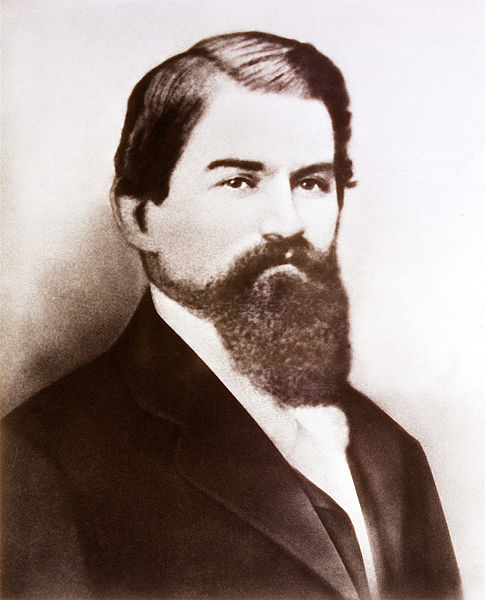
John Stith Pemberton was born on July 8, 1831, in Knoxville, Georgia, to James Clifford Pemberton and Martha Jane Pemberton. He pursued his education at Wesleyan College in Macon, Georgia, where he studied pharmacy. His early career was marked by his service as a lieutenant in the Confederate States Army during the American Civil War. A severe sabre wound sustained in April 1865 during the Battle of Columbus led to chronic pain and a debilitating morphine addiction. This personal struggle became the unlikely catalyst for his most famous creation, as he began experimenting with various chemical compounds in search of a less addictive pain remedy, blending his knowledge of chemistry with his personal quest for relief.
⚙️ How It Works
Pemberton's invention process was rooted in his pharmaceutical background and his personal experimentation. In 1886, he developed a syrup by combining coca leaf extract (containing cocaine) and kola nuts (a source of caffeine), along with other flavorings. He initially marketed this as a medicinal tonic, a "temperance" drink, and a "brain tonic" to alleviate ailments like headaches, indigestion, and nervous disorders. The syrup was mixed with carbonated water at soda fountains, creating the distinctive effervescent beverage that would eventually become Coca-Cola. The precise original formula remains a closely guarded secret, though it is widely believed to have contained elements like sugar, caramel color, phosphoric acid, caffeine, coca extract, kola nut extract, and various natural flavorings.
📊 Key Facts & Numbers
The original Coca-Cola syrup was sold for approximately $2,300 (equivalent to roughly $79,946 in 2026 dollars) when Pemberton sold the rights. By 1919, the Coca-Cola Company was sold to a consortium led by Ernest Woodruff for $25 million. Today, The Coca-Cola Company generates over $40 billion in annual revenue, selling more than 2.2 billion servings daily across over 200 countries. Coca-Cola's market capitalization hovers around $250 billion, making it one of the most valuable beverage brands globally. Pemberton's initial creation, a humble syrup, has evolved into a product consumed by billions, underscoring the immense scale of its commercial success.
👥 Key People & Organizations
Key figures central to Pemberton's story include Asa Griggs Candler, the businessman who purchased the rights to Coca-Cola from Pemberton and is credited with its aggressive marketing and expansion. Frank M. Robinson, Pemberton's bookkeeper and partner, is credited with naming the beverage "Coca-Cola" and designing its distinctive script logo. Pemberton's own family, including his wife Ann Eliza Clifford Lewis, were part of his life during this period. Other early investors and partners, such as John Pemberton Drug Company associates, played roles in the initial distribution of the syrup.
🌍 Cultural Impact & Influence
The invention of Coca-Cola by John Stith Pemberton has had a monumental cultural impact, transforming global beverage consumption and advertising. The brand became synonymous with American culture and was aggressively marketed worldwide, particularly after Asa Griggs Candler's acquisition. Coca-Cola's iconic red and white logo and Santa Claus advertising campaigns have become deeply embedded in popular culture. The beverage's ubiquity has influenced everything from fast-food menus to international diplomacy, symbolizing globalization and American consumerism. Its distinctive taste and branding have inspired countless imitations and parodies, cementing its status as a cultural touchstone.
⚡ Current State & Latest Developments
While John Stith Pemberton's direct involvement ended with his death in 1888, the legacy of his invention continues to evolve. The Coca-Cola Company remains a dominant force in the global beverage market, constantly innovating with new product lines and marketing strategies. In 2023, the company launched over 50 new products and expanded its portfolio to include a wider range of beverages beyond traditional sodas, such as coffees and plant-based drinks. The ongoing debate about the health impacts of sugary drinks and the company's environmental footprint are key developments shaping its current trajectory. The company's commitment to sustainability and health-conscious options reflects the changing consumer landscape in the 21st century.
🤔 Controversies & Debates
The most significant controversy surrounding Pemberton's invention lies in its original formulation, which contained cocaine derived from coca leaves. While the amount of cocaine was minuscule and removed entirely by 1903, the historical presence of the substance in Coca-Cola has fueled ongoing debate and public fascination. Critics have also raised concerns about the health implications of high sugar content in the beverage, linking it to issues like obesity and diabetes. Furthermore, the aggressive global marketing practices of The Coca-Cola Company have faced scrutiny regarding their impact on local economies and public health initiatives in various regions.
🔮 Future Outlook & Predictions
The future of Coca-Cola, and by extension Pemberton's legacy, is likely to be shaped by evolving consumer preferences and global health trends. The Coca-Cola Company is increasingly focusing on low-sugar and zero-sugar options, as well as expanding into categories like coffee and alcoholic beverages. Innovations in sustainable packaging and ingredient sourcing will also be critical. The company's ability to adapt to changing regulations regarding sugar taxes and marketing to children will determine its long-term success. Predictions suggest a continued emphasis on digital marketing and personalized consumer experiences, further leveraging data analytics to maintain its market dominance.
💡 Practical Applications
Pemberton's primary invention, the Coca-Cola syrup, has found its most prominent application as the base for the globally recognized soft drink. Beyond its direct use in Coca-Cola, the principles of flavor blending and syrup formulation pioneered by Pemberton have influenced the broader beverage industry. His work in developing medicinal tonics also reflects a historical application of chemistry in healthcare, a practice that has since evolved into modern pharmaceutical development. The concept of creating a proprietary, highly sought-after flavor profile remains a key strategy for many food and beverage companies today.
Key Facts
- Year
- 1831-1888
- Origin
- Knoxville, Georgia, USA
- Category
- history
- Type
- person
Frequently Asked Questions
What was John Stith Pemberton's primary profession before inventing Coca-Cola?
Before inventing Coca-Cola, John Stith Pemberton was primarily a pharmacist and chemist. He graduated from Eclectic Medical College of Georgia in 1850 with a degree in medicine and practiced pharmacy in Columbus, Georgia. His background in chemistry and pharmacology directly informed his experimental approach to creating new medicinal tonics and beverages, including the precursor to Coca-Cola.
Why did Pemberton invent Coca-Cola?
Pemberton invented Coca-Cola as a medicinal tonic and pain reliever. Following a severe wound sustained during the American Civil War, he developed a chronic morphine addiction. His experiments were initially aimed at finding a less addictive alternative painkiller, leading to the creation of a syrup that he believed had therapeutic properties. He marketed it as a "brain tonic" and a cure for various ailments, including headaches and indigestion, before it evolved into the popular soft drink.
Did Pemberton profit significantly from Coca-Cola?
No, John Stith Pemberton did not profit significantly from Coca-Cola. Shortly before his death in 1888, he sold the rights to his syrup and formula to Asa Griggs Candler for approximately $2,300. While this was a substantial sum at the time, it pales in comparison to the immense wealth generated by the Coca-Cola Company in the decades that followed, a fortune largely amassed by Candler and subsequent owners.
What was the original formula of Coca-Cola, and did it contain cocaine?
The original formula of Coca-Cola, developed by Pemberton in 1886, did contain extract from the coca plant, which included small amounts of cocaine. It also contained kola nuts, a source of caffeine. The cocaine was removed from the formula entirely by 1903, though the company continued to use de-cocainized coca leaf extract for flavoring for many years. The precise blend of flavorings remains a closely guarded secret, contributing to the mystique of the original recipe.
What happened to Pemberton after the Civil War?
After the American Civil War, John Stith Pemberton returned to Atlanta and resumed his work as a pharmacist and chemist. However, the sabre wound he sustained in combat led to chronic pain and a severe addiction to morphine, which was a common treatment for such injuries at the time. His personal struggle with addiction heavily influenced his later experiments, which ultimately led to the creation of the Coca-Cola syrup as he sought alternative pain management solutions.
How did Pemberton's invention become a global phenomenon?
Pemberton's invention became a global phenomenon primarily through the business acumen of Asa Griggs Candler. After purchasing the rights, Candler aggressively marketed Coca-Cola, establishing bottling plants and expanding distribution across the United States and eventually worldwide. His innovative advertising campaigns, including the iconic script logo designed by Frank M. Robinson, and strategic business decisions transformed the beverage from a local tonic into a ubiquitous international brand, deeply embedding it into global consumer culture.
What is the historical significance of Pemberton's work?
John Stith Pemberton's historical significance lies in his creation of the original Coca-Cola syrup, which laid the foundation for one of the world's largest and most recognizable corporations, The Coca-Cola Company. His work represents a pivotal moment in the development of the soft drink industry and modern mass marketing. Furthermore, his personal journey from Civil War veteran and morphine addict to inventor highlights the complex interplay of personal struggle, scientific experimentation, and commercial enterprise that can shape history.