
Contents
Overview
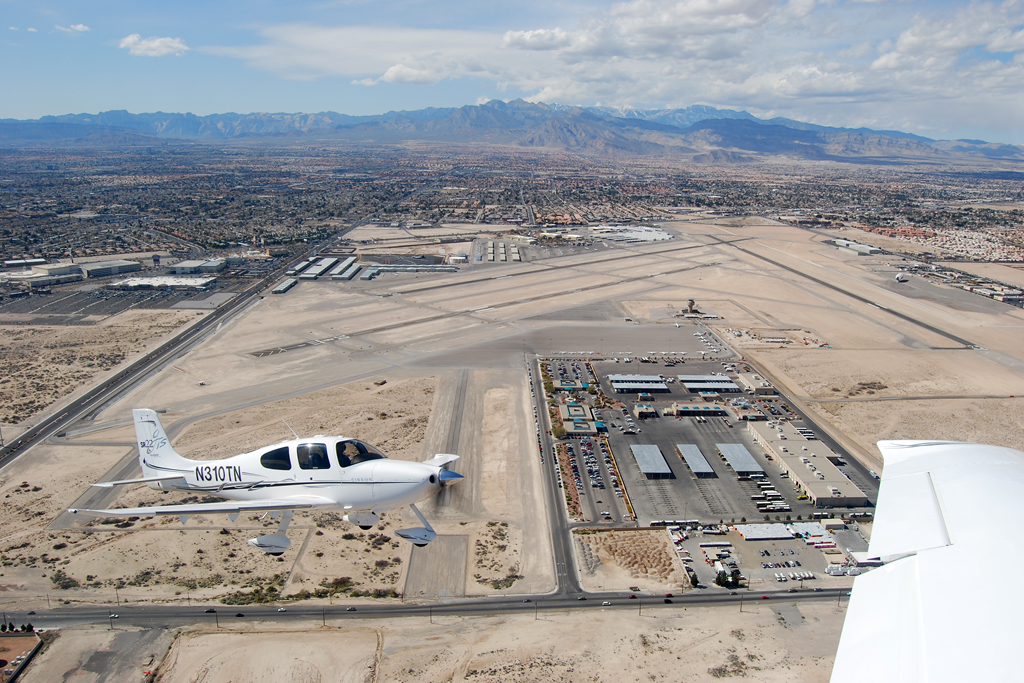
The concept of aerial sightseeing in Las Vegas began to take flight in the late 20th century, mirroring the city's own explosive growth. As the Las Vegas Strip evolved from a few casinos into a sprawling entertainment mecca, entrepreneurs recognized the potential for a unique tourist experience. Early helicopter tours likely operated from smaller, less formal helipads, offering rudimentary views. However, the true professionalization and expansion of the industry can be traced to the 1980s and 1990s, coinciding with the construction of mega-resorts and a surge in international tourism. Companies like Papillon Grand Canyon Helicopters, founded in 1964, expanded their operations to include Las Vegas, leveraging their expertise in scenic flights. The development of North Las Vegas Airport as a hub for general aviation and tour operators provided a crucial infrastructure backbone, allowing for more organized and frequent departures, distinct from the commercial traffic at Harry Reid International Airport.
⚙️ How It Works
Las Vegas helicopter tours operate on a straightforward yet sophisticated model. Passengers typically book their flights online or through hotel concierges, selecting a tour duration and route. Departures are usually from dedicated terminals at North Las Vegas Airport or designated pads near the Strip. Upon arrival, guests undergo a safety briefing and are assigned seats in a helicopter. Pilots, often with thousands of flight hours and extensive knowledge of the city's layout, navigate pre-determined flight paths, pointing out landmarks and sharing insights via headset. Tours range from short flights over the Strip to longer excursions that may include views of Hoover Dam or the Grand Canyon. Many tours offer optional add-ons like champagne, limousine transfers, or even proposal packages, enhancing the luxury aspect.
📊 Key Facts & Numbers
Millions of tourists annually embark on Las Vegas helicopter tours, with estimates suggesting over 2 million passengers take to the skies each year. Prices for a standard Strip tour typically range from $100 to $200 per person, while extended tours to the Grand Canyon can cost upwards of $500. The industry generates an estimated $300 million in annual revenue for the Las Vegas area. Over 30 different helicopter tour operators are licensed to fly in the Las Vegas region, utilizing a fleet of more than 150 helicopters. These tours often depart from North Las Vegas Airport, which handles approximately 200,000 operations annually, a significant portion of which are scenic tours. The average flight duration for a Strip tour is 15 minutes, covering a distance of roughly 10-15 miles.
👥 Key People & Organizations
Key players in the Las Vegas helicopter tour industry include Papillon Grand Canyon Helicopters, one of the largest operators globally, and Maverick Helicopters, known for its luxury offerings and modern fleet. Other significant operators include Sunset View Helicopters and Grand Canyon Helicopters. The Clark County Department of Aviation oversees operations at North Las Vegas Airport, ensuring safety and regulatory compliance. Pilots are typically certified by the Federal Aviation Administration (FAA), with many possessing extensive experience flying in the unique desert environment. While no single individual dominates the entire sector, figures like David G. Smith (founder of Papillon) represent the pioneering spirit of the industry.
🌍 Cultural Impact & Influence
Las Vegas helicopter tours have cemented themselves as a quintessential element of the modern Las Vegas experience, significantly influencing tourist expectations and marketing. They provide a dramatic visual narrative for the city's brand, emphasizing glamour, excitement, and exclusivity. The aerial perspective has been featured in countless films, television shows, and promotional materials, shaping the global perception of Las Vegas as a city of dazzling lights and larger-than-life attractions. For many visitors, a helicopter tour is a bucket-list item, a rite of passage that elevates their vacation from ordinary to extraordinary. The industry also contributes to the local economy, creating jobs for pilots, ground crew, customer service representatives, and support staff, and driving ancillary business for hotels and transportation services.
⚡ Current State & Latest Developments
The current landscape of Las Vegas helicopter tours is characterized by intense competition and a focus on enhanced passenger experiences. Operators are continually upgrading their fleets with newer, quieter, and more fuel-efficient helicopters. Many companies are investing in advanced in-flight entertainment systems, multilingual narration, and personalized service options. The demand for eco-friendly tours is also growing, with some operators exploring sustainable aviation fuels. Post-pandemic, there's been a resurgence in luxury travel, benefiting helicopter tours. Companies are also leveraging social media, encouraging passengers to share their experiences online, further driving demand. The integration of augmented reality (AR) in-flight is also being explored as a future enhancement.
🤔 Controversies & Debates
A primary controversy surrounding Las Vegas helicopter tours revolves around noise pollution. Residents in areas near flight paths, particularly those in Henderson and parts of North Las Vegas, frequently complain about the constant drone of helicopters, especially during peak tourist seasons. This has led to ongoing debates and regulatory efforts to manage flight altitudes and routes. Another point of contention is safety; while the industry boasts a strong safety record, high-profile accidents, though rare, raise public concern. Pricing transparency and the value proposition of shorter tours are also debated, with some critics arguing that the cost is disproportionate to the brief experience. Furthermore, the environmental impact of frequent helicopter flights, despite advancements in fuel efficiency, remains a concern for sustainability advocates.
🔮 Future Outlook & Predictions
The future of Las Vegas helicopter tours appears poised for continued growth, albeit with a greater emphasis on sustainability and technological integration. Expect to see more electric or hybrid-electric helicopters entering the market, significantly reducing noise and emissions. Advanced drone technology might also play a role in aerial photography and videography accompanying tours. The integration of virtual reality and augmented reality could offer even more immersive pre-flight or in-flight experiences, overlaying historical data or interactive elements onto the live view. As Las Vegas continues to expand and attract visitors, the demand for unique, high-altitude perspectives will likely persist, driving innovation in fleet modernization and customer service. The challenge will be balancing this growth with the concerns of local communities regarding noise and environmental impact.
💡 Practical Applications
Beyond pure sightseeing, Las Vegas helicopter tours serve several practical applications. They are frequently utilized for marriage proposals and romantic celebrations, offering a uniquely memorable backdrop. Corporate clients often charter helicopters for executive transport, team-building events, or client entertainment, providing a luxurious and efficient way to experience the city. Event photography and videography services also leverage helicopters to capture sweeping aerial shots of weddings, conventions, or special events happening on the Strip. In a more functional capacity, some operators offer
Key Facts
- Category
- vibes
- Type
- topic