
Contents
Overview
LGBTQ activism encompasses a diverse and dynamic array of social movements and advocacy efforts dedicated to securing equal rights, social acceptance, and liberation for individuals who identify as lesbian, gay, bisexual, transgender, queer, or other non-heterosexual and non-cisgender identities. These movements, which have evolved significantly since their inception, aim to dismantle systemic discrimination, challenge heteronormative and cisnormative societal structures, and foster inclusive communities. Key objectives range from decriminalizing same-sex relationships and prohibiting discrimination in housing and employment to advocating for marriage equality, gender-affirming healthcare, and comprehensive legal protections. The strategies employed are varied, including direct action, political lobbying, community organizing, cultural production, and public education, reflecting the multifaceted nature of the struggles faced by LGBTQ individuals globally. Despite significant progress in many regions, LGBTQ activism remains a critical force in addressing ongoing challenges such as violence, legal inequalities, and cultural prejudice.
🎵 Origins & History
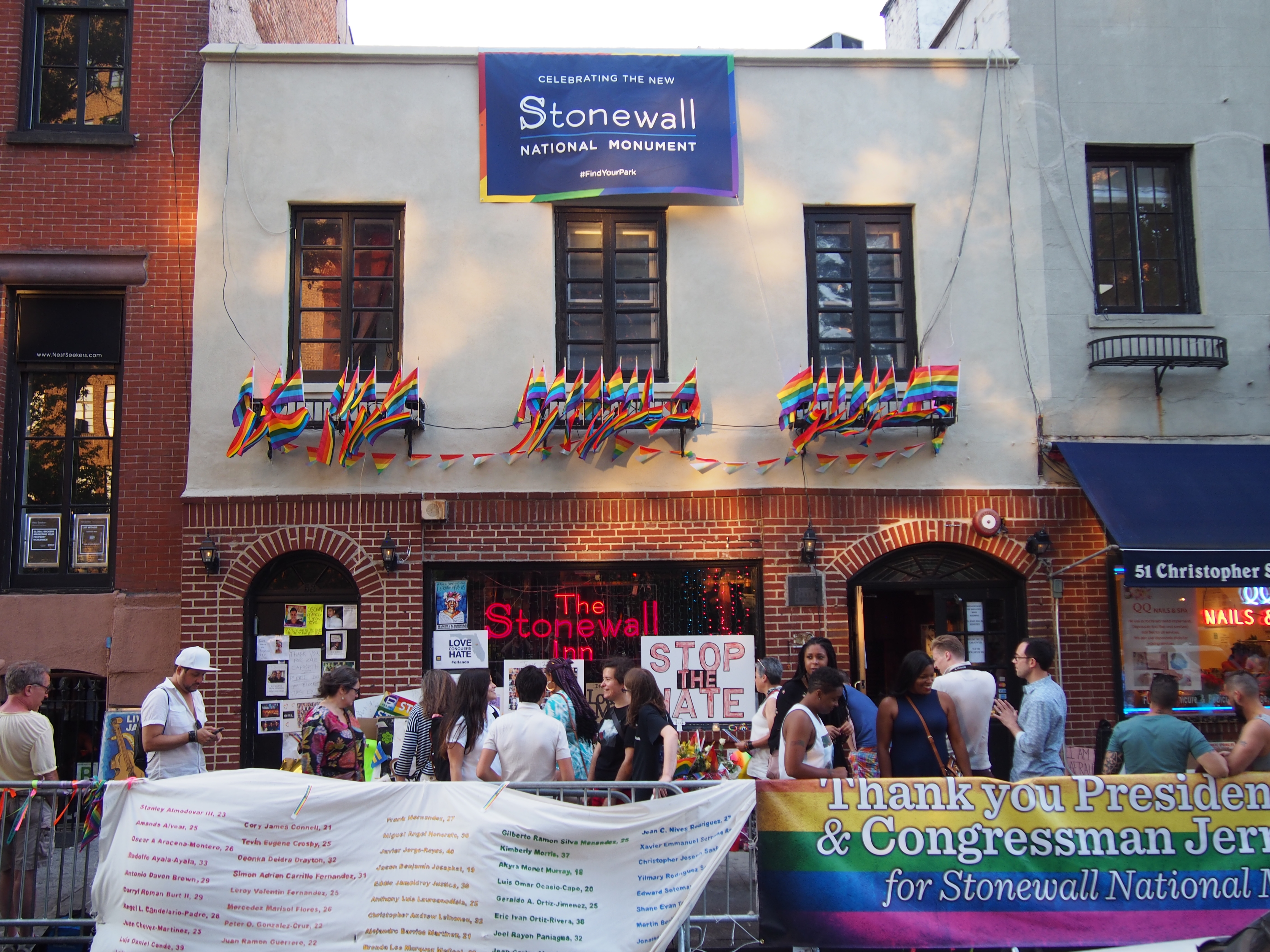
The Scientific-Humanitarian Committee campaigned for the repeal of anti-homosexuality laws, specifically Paragraph 175 of the German Criminal Code. The early 20th century saw further organizing efforts. The Stonewall Uprising in June 1969 in New York City is widely considered a pivotal moment, galvanizing a new wave of more visible and confrontational activism, leading to the formation of numerous groups, marking a significant shift towards demanding liberation rather than mere tolerance.
⚙️ How It Works
LGBTQ activism operates through a decentralized network of individuals, grassroots organizations, and established non-profits, employing a spectrum of strategies to achieve its goals. These strategies often include direct action protests, such as marches and sit-ins, to raise public awareness and pressure institutions, exemplified by the annual Pride parades that have become global phenomena. Political lobbying is another crucial component, with activists engaging lawmakers to advocate for legislative changes like marriage equality, non-discrimination laws, and hate crime legislation. Community organizing focuses on building support networks, providing resources, and empowering local LGBTQ populations. Furthermore, cultural production, including film, literature, and art, plays a vital role in challenging stereotypes, fostering empathy, and increasing visibility.
📊 Key Facts & Numbers
Globally, an estimated 70 countries still criminalize same-sex relations, with penalties ranging from fines to life imprisonment, and in some cases, the death penalty. In the United States, as of 2023, 21 states had enacted laws restricting LGBTQ rights, particularly concerning transgender individuals. The global LGBTQ rights movement has seen significant legislative victories, with 37 countries legalizing same-sex marriage by 2024. The estimated global market for LGBTQ tourism reached $210 billion in 2023, highlighting the economic influence of the community. Approximately 10-15% of the global population identifies as LGBTQ, though self-identification rates vary significantly by region and cultural acceptance. Funding for LGBTQ advocacy groups worldwide is substantial, with major foundations like the Arcus Foundation and Ford Foundation contributing hundreds of millions annually to support related causes.
👥 Key People & Organizations
Key figures in LGBTQ activism span historical pioneers and contemporary leaders. Frank Kameny, a pivotal figure in the U.S. gay rights movement, famously challenged the U.S. government's discriminatory policies against homosexual employees in the 1950s and 60s. Marsha P. Johnson and Sylvia Rivera, trans women of color, were instrumental in the Stonewall Uprising and subsequent activism, founding organizations like STAR (Street Transvestite Action Revolutionaries). Edith Windsor's legal challenge led to the landmark Supreme Court decision in United States v. Windsor (2013), which struck down the Defense of Marriage Act. Prominent organizations include GLAAD, which works on media representation, The Trevor Project, providing crisis intervention for LGBTQ youth, and OutRight International, advocating for global LGBTQ human rights. Political figures like Alex Greenwich, a Sydney MP, have been central to legislative battles, as evidenced by defamation cases concerning public commentary on their advocacy.
🌍 Cultural Impact & Influence
The influence of LGBTQ activism on global culture is profound and far-reaching. It has significantly reshaped media representation, moving from stereotypical portrayals to more nuanced and authentic depictions of LGBTQ lives in film, television, and literature. The visibility gained through activism has normalized LGBTQ identities for many, challenging traditional notions of family and relationships and contributing to broader conversations about gender and sexuality. The annual Pride parades have become global cultural events, celebrated not only by the LGBTQ community but also by allies, fostering a sense of inclusivity and collective identity. Furthermore, the language and discourse surrounding gender and sexuality have evolved dramatically, with terms and concepts originating from LGBTQ communities entering mainstream vocabulary, reflecting a deeper societal engagement with issues of identity and rights. The activism has also inspired other social justice movements, demonstrating effective strategies for advocacy and community building.
⚡ Current State & Latest Developments
In 2024, LGBTQ activism continues to navigate a complex global landscape marked by both progress and significant backlash. In the United States, legislative battles persist, with ongoing debates around transgender rights, particularly concerning healthcare access, participation in sports, and curriculum in schools. Several states have enacted or are considering legislation that restricts LGBTQ expression or rights. Simultaneously, there's a surge in grassroots organizing and legal challenges aimed at protecting and expanding LGBTQ protections. Internationally, countries like Nepal have made strides, such as legalizing same-sex marriage in late 2023, while other regions, particularly in parts of Africa and Eastern Europe, continue to face severe legal restrictions and social hostility. The rise of online platforms has also become a critical space for activism, enabling rapid mobilization and global solidarity, though it also presents challenges related to misinformation and online harassment.
🤔 Controversies & Debates
LGBTQ activism is not without its controversies and internal debates. A significant point of contention revolves around the scope and focus of the movement, with discussions about whether to prioritize legal equality (e.g., marriage, non-discrimination) versus broader liberation from societal norms (e.g., challenging capitalism, challenging assimilationist tendencies). The inclusion and representation of diverse identities within the movement, particularly transgender and non-binary individuals, have been subjects of intense debate, sometimes leading to internal friction and calls for greater intersectionality. Some critics argue that certain mainstream LGBTQ organizations have become too focused on assimilation and have neglected the needs of more marginalized members of the community, such as LGBTQ people of color or those in poverty. The role of corporations in sponsoring Pride events also sparks debate, with some viewing it as genuine allyship and others as 'pinkwashing' for profit.
🔮 Future Outlook & Predictions
The future of LGBTQ activism will likely be shaped by ongoing legal and political battles, particularly concerning the rights of transgender and gender non-conforming individuals, which are currently at the forefront of many legislative agendas globally. Experts predict a continued push for comprehensive non-discrimination laws and greater access to gender-affirming care, alongside a strong counter-movement seeking to restrict these rights. The rol
Key Facts
- Category
- movements
- Type
- topic