
Contents
Overview
The genesis of Liverpool John Lennon Airport traces back to the early 20th century, with its most significant early chapter as RAF Speke, a crucial operational base during World War II. Before its military designation, the site at Speke was developed as a municipal airport, officially opening in 1933. During the war, RAF Speke played a pivotal role in aircraft production and aerial defense, contributing to the Allied war effort. Post-war, it transitioned back to civilian use, gradually expanding its services. A pivotal moment in its modern history occurred on July 15, 2001, when it was officially renamed Liverpool John Lennon Airport, a tribute to the city's most famous musical son, John Lennon, a member of the iconic The Beatles. This renaming marked a symbolic embrace of Liverpool's global cultural identity.
⚙️ How It Works
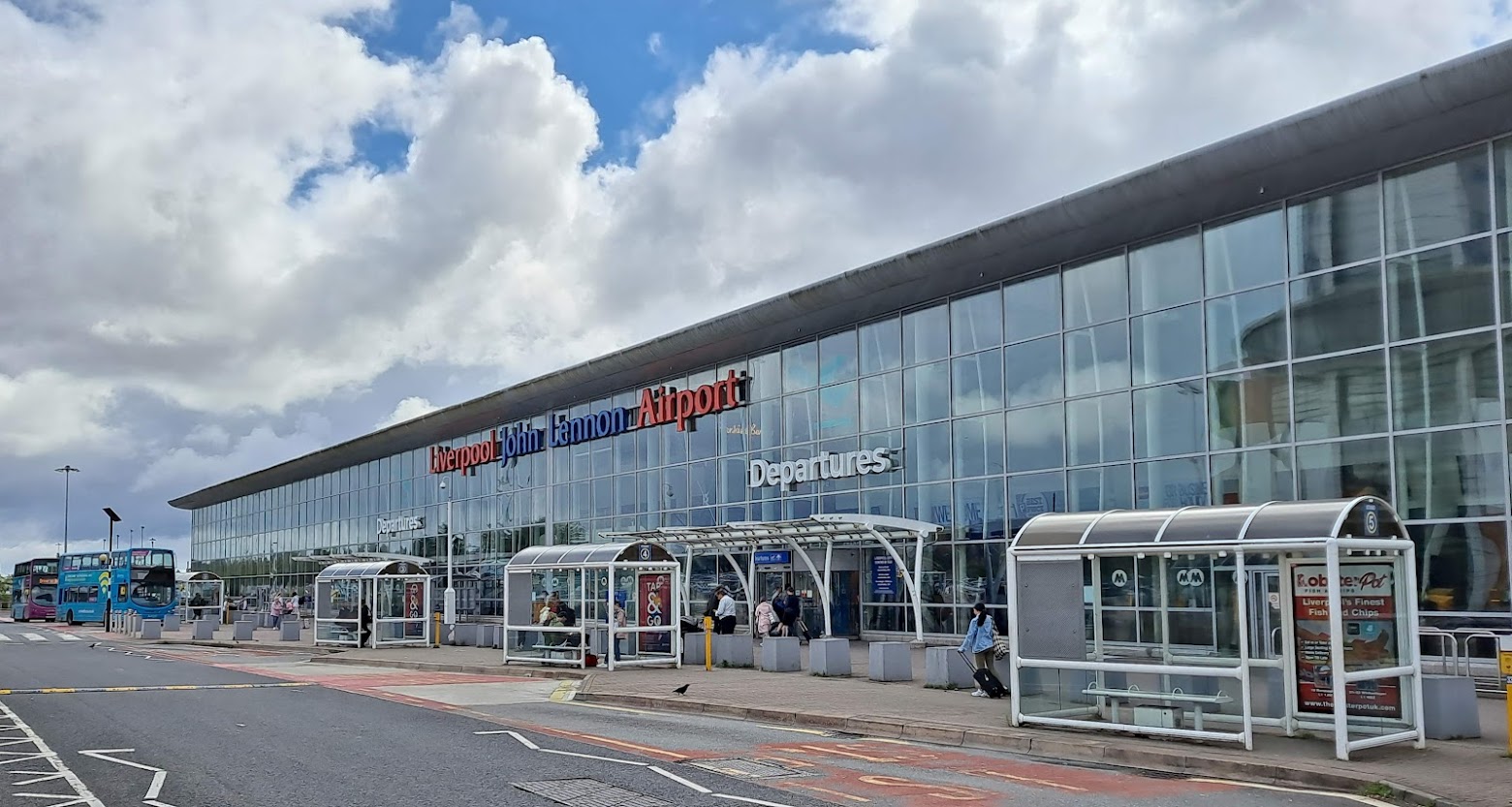
Liverpool John Lennon Airport operates with a singular, streamlined infrastructure designed for efficiency. Its core components include a single passenger terminal that houses check-in facilities, security screening, departure lounges, and baggage reclaim. The airport's operational capacity is anchored by a single runway, measuring 2,286 meters (7,500 ft) in length, capable of accommodating a wide array of commercial aircraft. Air traffic control is managed from a dedicated tower situated south of the runway. Beyond passenger services, the airport also supports cargo operations through a FedEx Express courier service centre and provides facilities for general aviation, including three hangars for private aircraft and maintenance.
📊 Key Facts & Numbers
In 2023, Liverpool John Lennon Airport handled an impressive 4.19 million passengers, solidifying its position as the 12th busiest airport in the United Kingdom. This figure represents a significant recovery and growth from earlier periods; for instance, between 1997 and 2007, annual passenger numbers surged from just under 700,000 to over 5.47 million. The airport's runway, at 2,286 meters, supports a broad spectrum of flight operations. Its geographical location on the River Mersey estuary places it 12.0 km (7.5 miles) southeast of Liverpool's city center, facilitating convenient access for travelers. The airport's operational footprint covers approximately 230 hectares (570 acres).
👥 Key People & Organizations
The airport's identity is intrinsically linked to John Lennon, the Beatles' songwriter and vocalist, after whom it was renamed in 2001. The airport is managed by Liverpool Airport Operations Ltd. Historically, its development involved key figures in Liverpool's civic and industrial growth, though specific names tied to its initial municipal airport establishment are less prominent in public discourse than its wartime RAF command. The Royal Air Force played a crucial role during its operational period as RAF Speke. Today, airlines such as Ryanair, EasyJet, and Wizz Air are major operators, contributing significantly to its passenger traffic and route network.
🌍 Cultural Impact & Influence
The renaming of the airport to honor John Lennon in 2001 was a profound cultural statement, embedding Liverpool's most celebrated musical legacy directly into its global transit infrastructure. This act transformed the airport from a functional transport hub into a symbolic landmark, resonating with fans and tourists worldwide. The airport's visual identity, often featuring imagery or references to Lennon and The Beatles, reinforces this connection. It serves as a tangible link for visitors arriving in the city to experience the birthplace of one of the most influential musical movements of the 20th century, thereby boosting Liverpool's tourism and cultural appeal.
⚡ Current State & Latest Developments
As of 2024, Liverpool John Lennon Airport continues to expand its route network and passenger services. Following the significant growth observed up to 2007, the airport has navigated the challenges of economic fluctuations and global events, including the COVID-19 pandemic. Recent developments have focused on enhancing passenger experience and operational efficiency. The airport is actively seeking to attract new airlines and destinations, aiming to further increase its passenger numbers beyond the 4.19 million recorded in 2023 and reclaim its position as a more significant player in the UK aviation market. Discussions around potential infrastructure upgrades and new route development are ongoing.
🤔 Controversies & Debates
The renaming of Speke Airport to Liverpool John Lennon Airport was not without its critics. Some questioned the financial implications and the appropriateness of dedicating a public utility to a single individual, even one as globally recognized as John Lennon. Debates have also surfaced regarding the airport's capacity and its environmental impact, a common concern for all major aviation hubs. Furthermore, the airport's passenger numbers, while substantial, have fluctuated, leading to discussions about its competitive positioning against larger UK airports like Manchester Airport and Heathrow. The balance between commercial aviation's economic benefits and its environmental footprint remains a persistent point of contention.
🔮 Future Outlook & Predictions
The future trajectory of Liverpool John Lennon Airport hinges on several factors, including continued investment in infrastructure and route development. Projections suggest a steady increase in passenger traffic, potentially exceeding pre-pandemic levels, as global travel rebounds. There is speculation about attracting more long-haul carriers or expanding cargo operations to diversify revenue streams. The airport's strategic location and its unique cultural branding provide a strong foundation for growth. Experts anticipate a focus on sustainability initiatives within aviation, which may influence future operational strategies and technological adoption at LPL.
💡 Practical Applications
Liverpool John Lennon Airport serves as a critical node for both passenger and cargo transport. Its primary function is facilitating travel for leisure and business, connecting Liverpool and the wider Merseyside region to destinations across Europe and beyond. For businesses, it enables efficient movement of goods and personnel, supporting regional economic activity. The airport also acts as a hub for aviation maintenance and general aviation services, catering to private pilots and aircraft owners. Its role extends to being a significant local employer, contributing directly to the regional economy through job creation in aviation, hospitality, and retail sectors.
Key Facts
- Category
- places
- Type
- place