
Contents
Overview
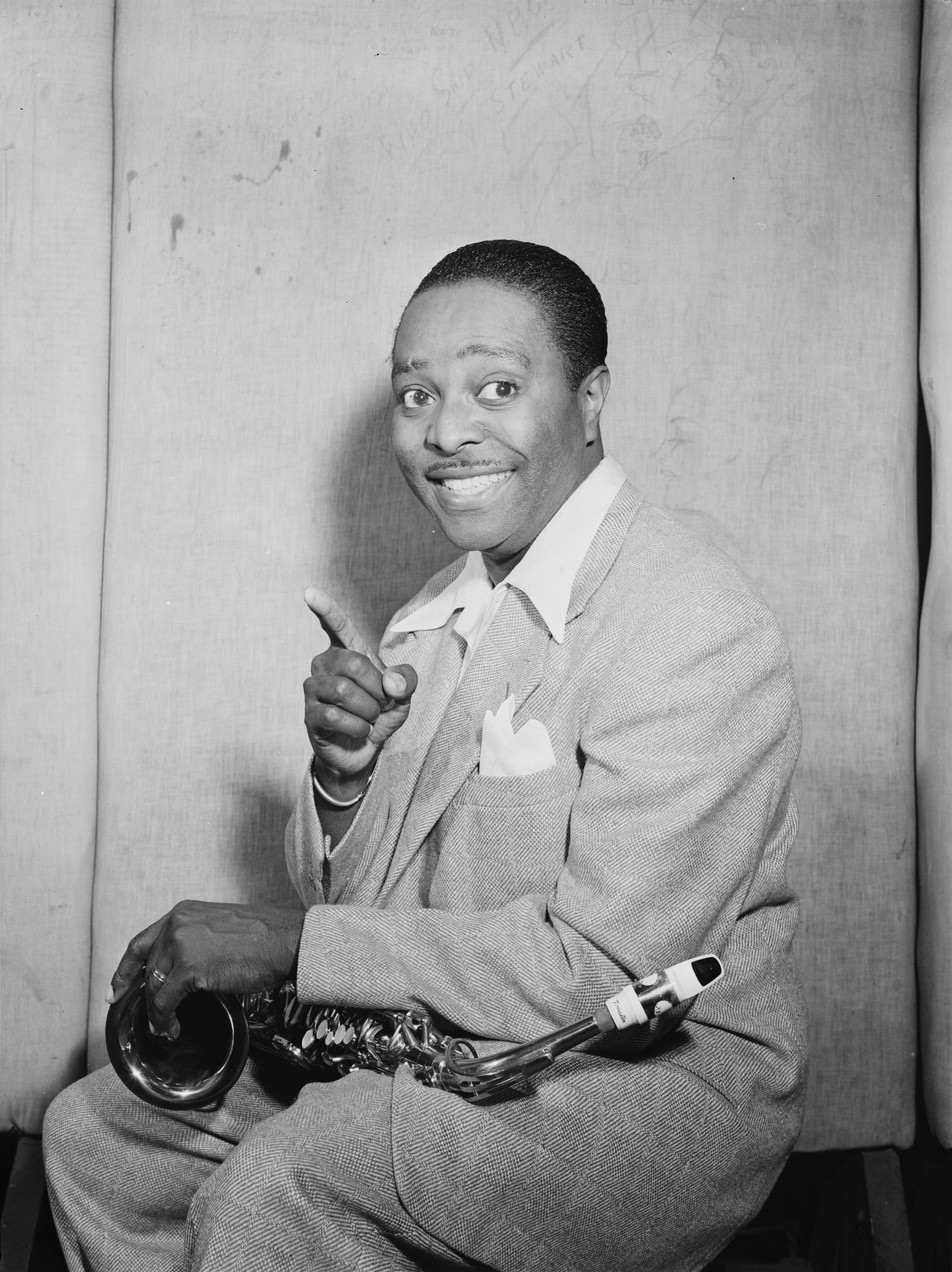
Louis Jordan (July 8, 1908 – February 4, 1975) was a towering figure in American music, a saxophonist, vocalist, songwriter, and bandleader whose infectious blend of jazz, blues, and boogie-woogie defined the jump blues genre. Dubbed "the King of the Jukebox," Jordan's energetic performances and witty, relatable lyrics made him one of the most popular Black artists of the 1940s and early 1950s, selling an estimated 16 million records. His innovative sound, characterized by its up-tempo rhythms and storytelling, laid crucial groundwork for the emergence of rock and roll. Jordan's influence extended far beyond his chart success, impacting countless musicians and shaping the trajectory of popular music for decades to come.
🎵 Origins & History
Louis Jordan's musical journey began in Brinkley, Arkansas. Jordan honed his skills on the saxophone, clarinet, and piano, eventually moving to Philadelphia and then New York City in the early 1930s. He first gained significant recognition as a member of Chick Webb's orchestra, a premier big band of the era, where his saxophone solos and vocal interjections quickly made him a standout. However, Jordan's true innovation lay in his ability to distill the energy of big band swing into smaller, more accessible ensembles, a move that would redefine popular music.
⚙️ How It Works
Jordan's musical formula was deceptively simple yet profoundly effective: take the driving rhythms of boogie-woogie and blues, inject the improvisational spirit of jazz, and deliver it with a charismatic, often humorous, vocal delivery. His band, the Tympany Five, typically featured a tight lineup—saxophone, trumpet, piano, bass, and drums—allowing for a more focused, danceable sound than the larger swing orchestras. This smaller format, combined with Jordan's knack for writing catchy, narrative-driven songs about everyday life, love, and social commentary, made his music incredibly relatable and popular. Hits like "Caldonia" and "Chickery Chick" exemplify this accessible, high-energy style.
📊 Key Facts & Numbers
Jordan's commercial success was staggering for his time. Between 1942 and 1951, he reportedly scored 18 number-one hits on the Billboard R&B charts, then known as the Harlem Hit Parade. His records sold millions, with "G.I. Jive" alone selling over a million copies during World War II, becoming an anthem for soldiers. Jordan's songs consistently charted on the pop charts as well, a rare feat for a Black artist in the segregated 1940s, with over 50 of his singles landing in the Top 100. His album sales are estimated to have reached 16 million by the time of his death, cementing his status as a commercial powerhouse.
👥 Key People & Organizations
Beyond his own band, Jordan collaborated with numerous luminaries of his era. He duetted with giants like Bing Crosby, Ella Fitzgerald, and Louis Armstrong, showcasing his versatility and broad appeal. His primary musical vehicle was his own band, the Louis Jordan and His Tympany Five, which served as a launching pad for his prolific songwriting and performance career. Key figures in his band included musicians like Bill Doggett on piano and Arnett Cobb on saxophone, who contributed to the band's signature sound. Jordan's success also drew the attention of record labels like Decca Records, which signed him in 1938 and became instrumental in distributing his music widely.
🌍 Cultural Impact & Influence
Louis Jordan's impact on American culture is immeasurable. He is widely credited with popularizing jump blues, a direct precursor to rock and roll. His energetic stage presence, comedic timing, and lyrical themes—often touching on social issues with a lighthearted yet pointed touch—influenced generations of musicians. Artists like Chuck Berry, Little Richard, and Fats Domino have all cited Jordan as a major inspiration. His songs, such as "Let the Good Times Roll" and "Keep a Knockin'", became staples of the American songbook and continue to be covered and celebrated today. Jordan's ability to cross racial barriers in music during a deeply segregated era also made him a significant cultural force.
⚡ Current State & Latest Developments
While Louis Jordan passed away in 1975, his music continues to find new audiences. His extensive catalog is readily available on streaming platforms like Spotify and Apple Music, and his songs are frequently featured in films, television shows, and commercials, introducing his sound to younger generations. Efforts by music historians and preservationists continue to highlight his legacy, ensuring his contributions are not forgotten. Recent documentaries and reissues of his work have sparked renewed interest, solidifying his place in the pantheon of American musical innovators. The ongoing popularity of his songs suggests a timeless appeal that transcends eras.
🤔 Controversies & Debates
One of the primary debates surrounding Louis Jordan concerns his exact role in the genesis of rock and roll. Some critics argue that his music, while energetic and blues-based, lacked the raw, rebellious edge that defined early rock. Others contend that Jordan's lyrical content, often focused on domesticity and lighthearted social commentary, differed from the more overtly youthful themes of rock and roll. Furthermore, discussions often arise regarding the commercialization of his music and whether it was sufficiently recognized for its groundbreaking nature during his lifetime, especially compared to later white rock and roll artists who achieved even greater mainstream fame.
🔮 Future Outlook & Predictions
The future for Louis Jordan's legacy appears robust, driven by the enduring appeal of his music and its foundational role in popular genres. As streaming services continue to make his catalog accessible, new generations of listeners are likely to discover his infectious rhythms and witty lyrics. Musicologists and historians will undoubtedly continue to analyze his profound influence on R&B, jazz fusion, and the very DNA of rock and roll. There's potential for further biographical works, documentaries, and even stage productions that could bring his story and music to wider public attention, ensuring his "King of the Jukebox" title remains well-earned.
💡 Practical Applications
Louis Jordan's music has found practical applications across various domains. His songs are frequently used in soundtracks for period films and television shows set in the 1940s and 1950s, providing an authentic sonic backdrop. "G.I. Jive" became a morale booster for troops during World War II, demonstrating music's power in times of conflict. Beyond entertainment, his compositions are studied in music theory classes for their innovative harmonic structures and rhythmic patterns. Furthermore, his lyrical approach to storytelling and social observation offers insights into American life during his era, making his work valuable for historical and sociological study.
Key Facts
- Category
- culture
- Type
- person