
Contents
Overview
The story of maritime transport is as old as civilization itself. Early humans likely used rudimentary rafts and dugout canoes on rivers and lakes, gradually progressing to more sophisticated sailing vessels. The ancient Egyptians utilized the Nile for trade and transport, while the Minoans and Phoenicians established extensive maritime trade networks across the Mediterranean. The Greeks and Romans further expanded these routes, developing advanced shipbuilding techniques and navigational methods. For centuries, control of sea lanes meant economic and military dominance, a principle exemplified by the British Empire's reliance on its Royal Navy and merchant fleet. The Age of Exploration, beginning in the 15th century with figures like Christopher Columbus and Ferdinand Magellan, was fundamentally a maritime endeavor, driven by the quest for new trade routes and territories. The Industrial Revolution brought about steam-powered ships, dramatically increasing speed and reliability, and the subsequent development of the Suez Canal and Panama Canal revolutionized global shipping by shortening transit times and opening new markets. The 20th century saw the rise of containerization, a paradigm shift that dramatically reduced costs and increased efficiency, transforming the scale and speed of global trade.
⚙️ How It Works
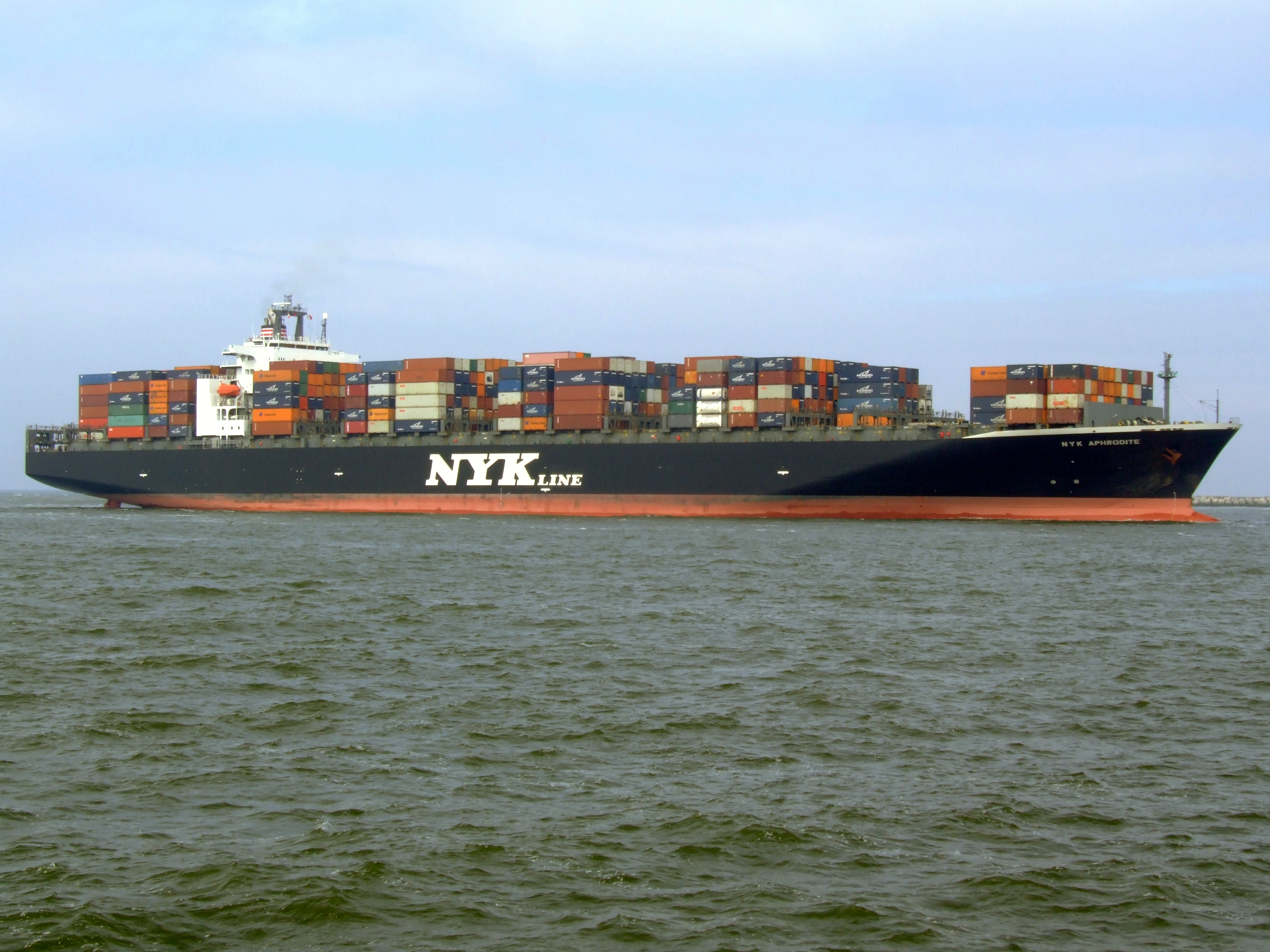
Maritime transport operates on a fundamental principle: moving goods and people via watercraft across navigable waterways, from oceans and seas to rivers and lakes. The process begins with cargo being loaded onto specialized vessels at ports, which are complex hubs equipped with cranes, terminals, and storage facilities. For international trade, massive container ships are the workhorses, carrying standardized intermodal containers that can be easily transferred to trains or trucks. Bulk carriers transport raw materials like iron ore, coal, and grain, while tankers are designed for liquids such as crude oil and liquefied natural gas. Passenger transport ranges from ferries and cruise ships to smaller vessels. Navigation relies on a combination of sophisticated technologies, including GPS, ECDIS, radar, and the IMO's mandatory AIS for tracking vessels. Safety is paramount, governed by international conventions like SOLAS (Safety of Life at Sea) and managed by maritime authorities in different nations and international bodies like the IMO.
📊 Key Facts & Numbers
Maritime transport is the backbone of global commerce. In 2022, global container throughput reached approximately 850 million TEUs (twenty-foot equivalent units), a testament to the scale of operations. The global shipping fleet comprises over 50,000 merchant ships, with a total carrying capacity exceeding 2 billion deadweight tons. The value of goods transported by sea annually is estimated to be in the trillions of dollars, with estimates often exceeding $14 trillion. The industry employs millions worldwide, directly and indirectly, from seafarers to port workers and logistics professionals. The average cost per ton-mile for maritime shipping is significantly lower than other modes, often cited as being around $0.015 per ton-mile, compared to $0.06 for rail and $0.20 for road freight. The largest container ports by throughput include Shanghai, Singapore, and Ningbo-Zhoushan, each handling tens of millions of TEUs annually.
👥 Key People & Organizations
Numerous individuals and organizations have shaped maritime transport. Pioneers like Malcolm McLean, often credited with inventing modern containerization in the 1950s, revolutionized freight handling. The IMO, a specialized agency of the UN, plays a crucial role in setting global standards for safety, security, and environmental protection in shipping. Major shipping companies such as A.P. Moller – Maersk, CMA CGM, and MSC dominate the global container trade, operating vast fleets and extensive networks. Port authorities, like the Port of Rotterdam Authority and the Port of Los Angeles, are critical infrastructure managers. Organizations like the International Chamber of Shipping represent shipowners globally, advocating for industry interests. The World Maritime University in Malmö, Sweden, founded by the IMO, trains future leaders in maritime affairs. The International Transport Workers' Federation (ITF) represents seafarers and dockworkers, advocating for their rights and working conditions.
🌍 Cultural Impact & Influence
Maritime transport has profoundly shaped human civilization, enabling exploration, trade, and cultural exchange on an unprecedented scale. It facilitated the spread of ideas, religions, and technologies across continents, from the Silk Road's maritime extensions to the Columbian Exchange. The romance of the sea, depicted in countless novels, films, and artworks, speaks to its enduring cultural resonance. Maritime trade routes have historically dictated the rise and fall of empires and the development of coastal cities into global metropolises. The industry's visual language – the distinctive shapes of ships, the bustling activity of ports, the vastness of the ocean – has permeated popular culture. Furthermore, maritime transport is intrinsically linked to global geopolitics, with control over strategic waterways like the Strait of Hormuz and the Strait of Malacca holding immense strategic importance. The very concept of globalization is inextricably tied to the ability to move goods efficiently across oceans.
⚡ Current State & Latest Developments
The maritime transport sector is currently navigating a period of intense transformation, driven by decarbonization mandates, digitalization, and evolving trade patterns. The IMO's ambitious targets to reduce greenhouse gas emissions from shipping, aiming for net-zero emissions by or around 2050, are spurring innovation in alternative fuels like LNG, ammonia, and methanol. Companies like Maersk are investing heavily in dual-fuel vessels capable of running on these cleaner fuels. Digitalization is rapidly advancing, with the implementation of IoT devices for real-time cargo tracking, predictive maintenance, and autonomous vessel technologies being explored. The COVID-19 pandemic exposed vulnerabilities in supply chains, leading to increased focus on resilience and diversification, though congestion at major ports like Los Angeles and Long Beach remains a persistent challenge. Geopolitical tensions, such as the ongoing disruptions in the Red Sea, continue to impact shipping routes and costs, highlighting the sector's sensitivity to global instability.
🤔 Controversies & Debates
Maritime transport faces significant controversies, primarily centered around its environmental impact and labor practices. Shipping accounts for approximately 3% of global greenhouse gas emissions, a figure that, while lower than some land-based industries, is substantial given the sector's scale. Concerns over sulfur emissions, NOx pollution, and the discharge of ballast water (which can introduce invasive species) have led to stricter regulations, such as IMO 2020 for sulfur content. The welfare of seafarers is another major point of contention, with issues like crew change crises, long periods at sea, and concerns over mental health frequently highlighted by organizations like the ITF. Piracy, partic
Key Facts
- Category
- technology
- Type
- topic