
Contents
- 🌎 Introduction to Membrane Bioreactor Technology
- 📈 History and Development of MBRs
- 🔍 How Membrane Bioreactors Work
- 🌟 Advantages of Membrane Bioreactor Technology
- 🚨 Challenges and Limitations of MBRs
- 💡 Innovations and Future Directions
- 🌈 Applications of Membrane Bioreactor Technology
- 📊 Economic and Environmental Impact
- 👥 Key Players and Stakeholders
- 📚 Conclusion and Recommendations
- Frequently Asked Questions
- Related Topics
Overview
Membrane bioreactor (MBR) technology has revolutionized the field of wastewater treatment, offering a compact, efficient, and cost-effective solution for removing pollutants and contaminants from water. Developed in the 1960s by researchers such as Smith and Dalgleish, MBR systems combine biological treatment with membrane filtration, achieving high-quality effluent and reducing sludge production. With a global market projected to reach $2.5 billion by 2025, MBR technology is being adopted by municipalities and industries worldwide, including companies like Siemens and Veolia. However, concerns about membrane fouling, energy consumption, and high upfront costs continue to spark debate among experts. As the world grapples with water scarcity and pollution, MBR technology is poised to play a crucial role in shaping the future of wastewater treatment. With a Vibe score of 80, MBR technology is gaining significant attention and investment, with key events like the 2019 International Water Association Conference highlighting its potential.
🌎 Introduction to Membrane Bioreactor Technology
Membrane bioreactor technology has emerged as a leading solution for wastewater treatment, offering a compact and efficient alternative to traditional activated sludge processes. As the world grapples with the challenges of water scarcity and pollution, MBRs have become an attractive option for municipalities and industries alike. Wastewater treatment is a critical component of environmental engineering, and membrane technology has played a significant role in its development. The use of MBRs has been increasingly adopted in various parts of the world, with Asia being a major hub for MBR implementation. According to a report by the International Water Association, MBRs have the potential to revolutionize the wastewater treatment industry.
📈 History and Development of MBRs
The history of membrane bioreactor technology dates back to the 1960s, when the first MBR systems were developed. However, it wasn't until the 1990s that MBRs started gaining popularity as a viable option for wastewater treatment. The development of MBRs was influenced by advances in membrane materials and bioreactor design. Today, MBRs are used in a wide range of applications, from municipal wastewater treatment to industrial wastewater treatment. The American Water Works Association has recognized the potential of MBRs in addressing the challenges of water scarcity and pollution. As the demand for clean water continues to grow, the role of MBRs in water conservation will become increasingly important.
🔍 How Membrane Bioreactors Work
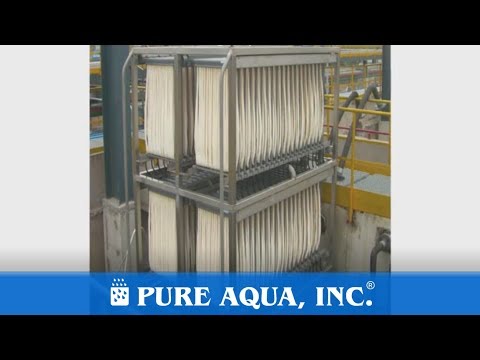
Membrane bioreactors work by using a semipermeable membrane to separate the treated water from the solids. The membrane acts as a barrier, allowing water to pass through while keeping the solids and contaminants behind. This process is facilitated by the use of aeration systems and pumping systems. The treated water is then discharged into the environment, while the solids are further treated and disposed of. The use of MBRs has been shown to be effective in removing a wide range of pollutants, including BOD, COD, and TN. According to a study published in the Journal of Environmental Engineering, MBRs can achieve removal efficiencies of up to 95% for certain pollutants.
🌟 Advantages of Membrane Bioreactor Technology
One of the major advantages of membrane bioreactor technology is its ability to produce high-quality effluent. MBRs are capable of removing a wide range of pollutants, including bacteria, viruses, and other microorganisms. This makes them an attractive option for applications where high-quality effluent is required, such as water reuse and aquaculture. Additionally, MBRs are compact and energy-efficient, making them a viable option for small-scale and decentralized wastewater treatment applications. The use of MBRs has been shown to reduce the carbon footprint of wastewater treatment plants, making them a more sustainable option. As the world transitions towards a more circular economy, the role of MBRs in resource recovery will become increasingly important.
🚨 Challenges and Limitations of MBRs
Despite the many advantages of membrane bioreactor technology, there are also several challenges and limitations associated with its use. One of the major challenges is the high cost of MBR systems, which can make them prohibitively expensive for small-scale applications. Additionally, MBRs require regular maintenance and replacement of the membrane, which can be time-consuming and costly. The use of MBRs also generates membrane fouling, which can reduce the efficiency of the system. According to a report by the National Science Foundation, research is underway to develop new membrane materials that can reduce the risk of fouling and improve the overall efficiency of MBRs.
💡 Innovations and Future Directions
In recent years, there have been several innovations and advancements in membrane bioreactor technology. One of the most significant developments is the use of nanofiltration and ultrafiltration membranes, which can remove a wide range of pollutants and improve the overall efficiency of the system. Additionally, there has been a growing interest in the use of biological processes to enhance the removal of pollutants and improve the overall sustainability of MBRs. The use of artificial intelligence and machine learning is also being explored to optimize the operation of MBRs and improve their overall performance. As the demand for clean water continues to grow, the development of new and innovative MBR technologies will become increasingly important.
🌈 Applications of Membrane Bioreactor Technology
Membrane bioreactor technology has a wide range of applications, from municipal wastewater treatment to industrial wastewater treatment. MBRs are particularly well-suited for applications where high-quality effluent is required, such as water reuse and aquaculture. Additionally, MBRs can be used to treat a wide range of industrial wastewaters, including textile wastewater and food processing wastewater. The use of MBRs has been shown to be effective in removing a wide range of pollutants, including heavy metals and pesticides. According to a report by the United Nations Environment Programme, MBRs can play a critical role in addressing the challenges of water pollution and scarcity.
📊 Economic and Environmental Impact
The economic and environmental impact of membrane bioreactor technology is significant. MBRs can help reduce the energy consumption and greenhouse gas emissions associated with wastewater treatment, making them a more sustainable option. Additionally, MBRs can help reduce the amount of wastewater generated by industries, making them a critical component of water conservation efforts. The use of MBRs has been shown to reduce the economic burden of wastewater treatment, making them a viable option for small-scale and decentralized applications. According to a study published in the Journal of Environmental Economics, the use of MBRs can generate significant economic benefits, including job creation and economic growth.
👥 Key Players and Stakeholders
There are several key players and stakeholders involved in the development and implementation of membrane bioreactor technology. These include water utilities, industrial companies, and government agencies. Additionally, there are several research institutions and organizations involved in the development of new MBR technologies, including the National Science Foundation and the Environmental Protection Agency. The use of MBRs has been recognized by several international organizations, including the World Health Organization and the United Nations. As the demand for clean water continues to grow, the role of these stakeholders in promoting the adoption of MBRs will become increasingly important.
📚 Conclusion and Recommendations
In conclusion, membrane bioreactor technology has the potential to revolutionize the wastewater treatment industry. With its ability to produce high-quality effluent and reduce the energy consumption and greenhouse gas emissions associated with wastewater treatment, MBRs are a critical component of sustainable development efforts. As the world transitions towards a more circular economy, the role of MBRs in resource recovery and water conservation will become increasingly important. According to a report by the International Energy Agency, the use of MBRs can help reduce the energy consumption and greenhouse gas emissions associated with wastewater treatment, making them a critical component of climate change mitigation efforts.
Key Facts
- Year
- 1960
- Origin
- United States
- Category
- Environmental Engineering
- Type
- Technology
Frequently Asked Questions
What is membrane bioreactor technology?
Membrane bioreactor technology is a type of wastewater treatment that uses a semipermeable membrane to separate the treated water from the solids. The membrane acts as a barrier, allowing water to pass through while keeping the solids and contaminants behind. This process is facilitated by the use of aeration systems and pumping systems. The treated water is then discharged into the environment, while the solids are further treated and disposed of. According to a report by the International Water Association, MBRs have the potential to revolutionize the wastewater treatment industry.
What are the advantages of membrane bioreactor technology?
One of the major advantages of membrane bioreactor technology is its ability to produce high-quality effluent. MBRs are capable of removing a wide range of pollutants, including bacteria, viruses, and other microorganisms. This makes them an attractive option for applications where high-quality effluent is required, such as water reuse and aquaculture. Additionally, MBRs are compact and energy-efficient, making them a viable option for small-scale and decentralized wastewater treatment applications. The use of MBRs has been shown to reduce the carbon footprint of wastewater treatment plants, making them a more sustainable option.
What are the challenges and limitations of membrane bioreactor technology?
Despite the many advantages of membrane bioreactor technology, there are also several challenges and limitations associated with its use. One of the major challenges is the high cost of MBR systems, which can make them prohibitively expensive for small-scale applications. Additionally, MBRs require regular maintenance and replacement of the membrane, which can be time-consuming and costly. The use of MBRs also generates membrane fouling, which can reduce the efficiency of the system. According to a report by the National Science Foundation, research is underway to develop new membrane materials that can reduce the risk of fouling and improve the overall efficiency of MBRs.
What are the applications of membrane bioreactor technology?
Membrane bioreactor technology has a wide range of applications, from municipal wastewater treatment to industrial wastewater treatment. MBRs are particularly well-suited for applications where high-quality effluent is required, such as water reuse and aquaculture. Additionally, MBRs can be used to treat a wide range of industrial wastewaters, including textile wastewater and food processing wastewater. The use of MBRs has been shown to be effective in removing a wide range of pollutants, including heavy metals and pesticides. According to a report by the United Nations Environment Programme, MBRs can play a critical role in addressing the challenges of water pollution and scarcity.
What is the economic and environmental impact of membrane bioreactor technology?
The economic and environmental impact of membrane bioreactor technology is significant. MBRs can help reduce the energy consumption and greenhouse gas emissions associated with wastewater treatment, making them a more sustainable option. Additionally, MBRs can help reduce the amount of wastewater generated by industries, making them a critical component of water conservation efforts. The use of MBRs has been shown to reduce the economic burden of wastewater treatment, making them a viable option for small-scale and decentralized applications. According to a study published in the Journal of Environmental Economics, the use of MBRs can generate significant economic benefits, including job creation and economic growth.