
Contents
- 🐭 What Exactly *Is* a Mouse?
- 🏠 The House Mouse: Your Uninvited Guest
- 🐾 Mice as Companions: The Pet Trade
- 🌾 Field Mice: Nature's Tiny Farmers (and Invaders)
- 📈 The Astonishing Mouse Breeding Rate
- 🔬 Mice in Science: From Lab Coats to Lifesaving Discoveries
- 🐁 Mouse Control: When Coexistence Fails
- 💡 Beyond the Rodent: Mice in Culture and Symbolism
- Frequently Asked Questions
- Related Topics
Overview
Mice, primarily the house mouse (Mus musculus), are ubiquitous rodents with a complex relationship with humanity. Historically, they've been both pests and invaluable research subjects, contributing significantly to our understanding of genetics, disease, and behavior. Their adaptability has allowed them to thrive in diverse environments, from agricultural fields to urban dwellings. In contemporary culture, mice have transcended their biological and scientific roles to become beloved characters in literature, animation, and internet memes, showcasing a remarkable cultural resonance. This entry explores their biological significance, historical impact, and evolving cultural presence.
🐭 What Exactly *Is* a Mouse?
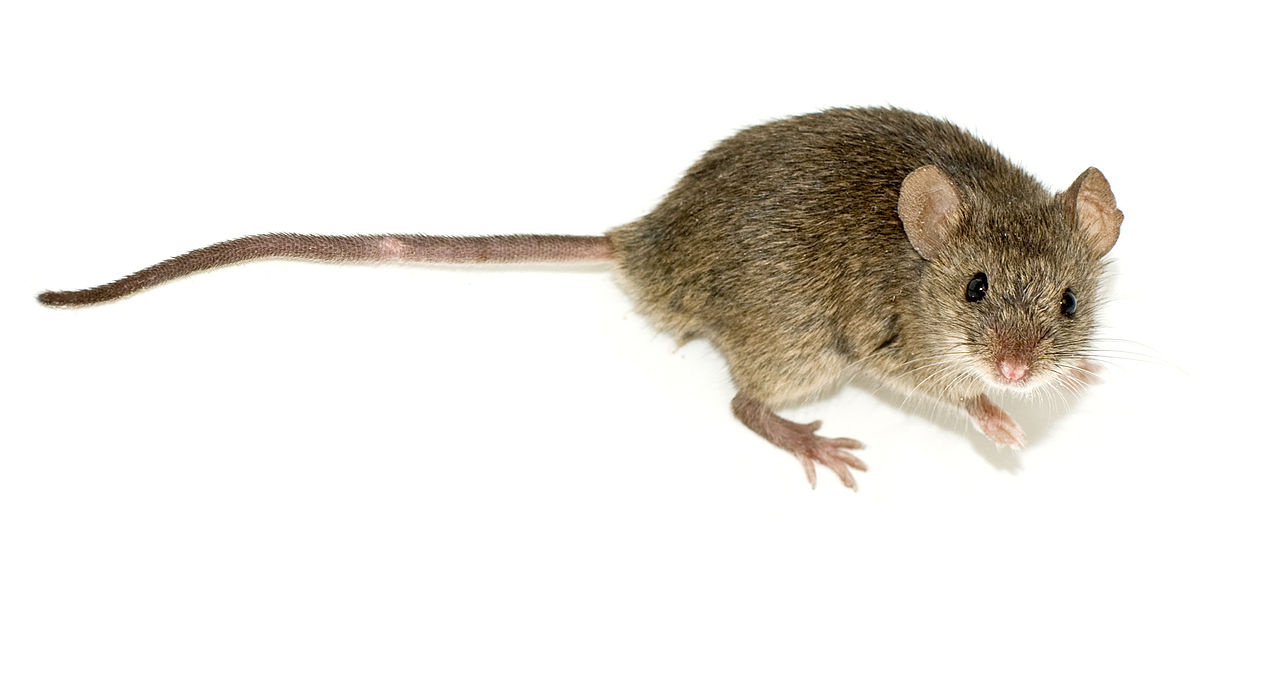
Mice, scientifically classified within the order Rodentia, are small mammals characterized by their distinctive physical traits. These include a pointed snout, small, often rounded ears, and a scaly tail that typically matches their body length. Their high reproductive rate is legendary, making them a significant presence in various ecosystems. While the common house mouse is the most familiar species, numerous other varieties exist, each with unique behaviors and habitats. Understanding these fundamental characteristics is key to appreciating their complex relationship with humans and the environment.
🏠 The House Mouse: Your Uninvited Guest
The common house mouse is the species most likely to cross your path, often uninvited. These opportunistic rodents seek warmth, shelter, and readily available food sources within human dwellings. Their ability to squeeze through incredibly small openings, sometimes as little as a quarter-inch, makes them adept at infiltrating homes and businesses. Their presence can lead to property damage, contamination of food supplies, and the potential spread of diseases, making them a persistent challenge for homeowners and pest control professionals alike.
🐾 Mice as Companions: The Pet Trade
Beyond their reputation as pests, mice have carved out a significant niche as beloved pets. Species like the fancy mouse (a domesticated form of the house mouse) and the deer mouse are popular choices for their manageable size, relatively low maintenance, and engaging personalities. Responsible pet ownership involves providing appropriate housing, a balanced diet, and enrichment activities to ensure their well-being. The pet trade has significantly influenced the perception of mice, shifting them from mere vermin to cherished companions for many.
🌾 Field Mice: Nature's Tiny Farmers (and Invaders)
Field mice, a broad category encompassing various species like the wood mouse and vole species, inhabit natural environments such as meadows, forests, and farmlands. While crucial to their ecosystems as prey for larger animals and as seed dispersers, they can become problematic when their populations boom. During certain seasons, they may venture into agricultural fields or even homes in search of sustenance, leading to conflicts with farmers and residents. Their impact on crops and stored goods necessitates careful management strategies in affected areas.
📈 The Astonishing Mouse Breeding Rate
The reproductive capacity of mice is nothing short of astounding, a key factor in their widespread success. A single female mouse can produce multiple litters per year, with each litter containing several pups. This rapid breeding cycle means that populations can grow exponentially in favorable conditions. This biological imperative is a primary reason why mice are so prevalent globally and why controlling their numbers often requires persistent and multifaceted approaches, especially in agricultural or urban settings.
🔬 Mice in Science: From Lab Coats to Lifesaving Discoveries
Mice have played an indispensable role in scientific advancement for decades. Their genetic similarities to humans, short generation times, and ease of breeding make them ideal subjects for research in genetics, medicine, and biology. From understanding fundamental biological processes to developing life-saving treatments for diseases like cancer and diabetes, mice have been instrumental. The National Institutes of Health (NIH) extensively funds research utilizing mice, highlighting their ongoing importance in scientific discovery.
🐁 Mouse Control: When Coexistence Fails
When mouse populations become unmanageable or pose a health risk, various control methods come into play. These range from simple preventative measures like sealing entry points and proper food storage to more direct interventions such as traps and, in some cases, rodenticides. Integrated pest management strategies often combine multiple techniques to effectively reduce and maintain mouse populations. The debate over humane treatment versus efficacy is ongoing, with many seeking balanced solutions.
💡 Beyond the Rodent: Mice in Culture and Symbolism
Mice hold a surprisingly rich symbolic meaning across various cultures and historical periods. In some traditions, they represent cunning, adaptability, and resourcefulness, while in others, they symbolize pestilence or misfortune. From the iconic Mickey Mouse in popular culture to their roles in ancient fables and folklore, mice evoke a wide spectrum of human emotions and associations. Their ubiquity has ensured their enduring presence in our stories, art, and collective consciousness.
Key Facts
- Year
- Pleistocene Epoch (estimated earliest divergence)
- Origin
- Eurasia
- Category
- Animalia
- Type
- Species
Frequently Asked Questions
What is the difference between a mouse and a rat?
While both are rodents, mice are generally smaller with pointed snouts and larger ears relative to their head size. Rats are typically larger, with blunter noses and smaller ears. Their tail appearance also differs: mice have scaly, often hairless tails, while rat tails are usually thicker and can be sparsely haired. Behaviorally, rats are often considered more cautious, while mice are more curious, though this can vary by species and environment.
Are all mice considered pests?
Not all mice are considered pests. The common house mouse (Mus musculus) is the species most frequently associated with invading homes and causing damage, thus earning the 'pest' label. However, many wild mouse species play vital roles in their natural ecosystems and are not problematic unless their populations grow excessively or they come into close proximity with human settlements.
How quickly do mice reproduce?
Mice have an exceptionally high reproductive rate. A female house mouse can become sexually mature in as little as 6 weeks and can have multiple litters per year, each containing 5-10 pups. Under ideal conditions, a small population can grow significantly in a matter of months due to this rapid breeding cycle.
Can mice carry diseases?
Yes, mice can carry and transmit diseases to humans, though the risk is often lower than commonly perceived. They can contaminate food and surfaces with their droppings and urine, potentially spreading pathogens like Salmonella or Hantavirus. Proper hygiene and sanitation are crucial when dealing with potential mouse infestations.
What are the most common pet mouse species?
The most common pet mouse species is the fancy mouse, a domesticated form of the house mouse bred for specific traits and colors. Other small rodents sometimes kept as pets, though less commonly referred to strictly as 'mice,' include certain species of gerbils and hamsters, which share some similar care requirements.
How can I tell if I have a mouse infestation?
Signs of a mouse infestation include droppings (small, dark, pellet-shaped), gnaw marks on food packaging or structural elements, scratching or scurrying sounds (especially at night), and visible mice. You might also notice greasy rub marks along walls or baseboards where mice frequently travel.