
Contents
Overview
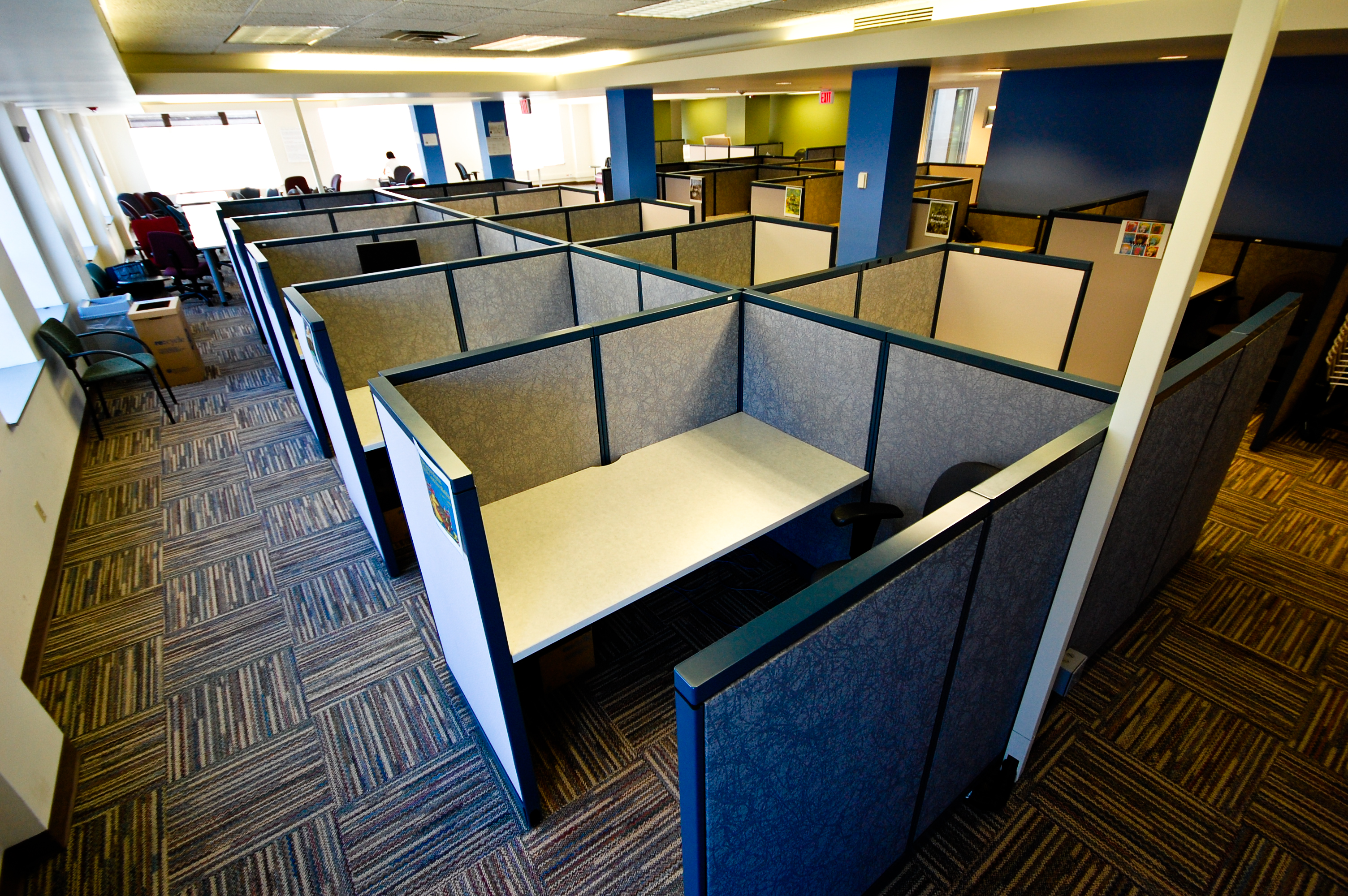
The genesis of organized office space can be traced back to the Industrial Revolution, with early factories and administrative buildings prioritizing sheer volume over human comfort or efficiency. The concept of the 'typographical layout' emerged in the late 19th century, standardizing desk arrangements for clerical tasks. However, it was the mid-20th century that saw the formalization of office space planning as a distinct discipline. Pioneers like Robert Propst, the creator of the Action Office system for Herman Miller in the 1960s, challenged the rigid cubicle designs of the era, advocating for adaptable spaces that supported diverse work activities. This period also saw the rise of open-plan offices, initially championed for fostering communication but later criticized for their noise and distraction levels, setting the stage for ongoing debates about optimal workspace design.
⚙️ How It Works
At its core, office space planning involves a systematic analysis of a company's operational needs and employee workflows. This begins with understanding the number of employees, their departmental structures, and the types of tasks performed. Architects and designers then translate this data into floor plans, meticulously allocating space for individual workstations, meeting rooms, breakout areas, kitchens, and essential services like IT infrastructure. Key considerations include circulation paths to ensure smooth movement, natural light utilization, acoustic management to minimize distractions, and the integration of technology. The process often involves specialized software, such as AutoCAD or Revit, to create detailed 2D and 3D models, ensuring compliance with building codes and accessibility standards like the Americans with Disabilities Act.
📊 Key Facts & Numbers
Post-pandemic, vacancy rates in major global cities like New York and London have seen fluctuations. The average cost per employee for office space can range from $5,000 to $15,000 annually, depending on the city and class of building. Studies by organizations like CoreNet Global suggest that effective space planning can reduce real estate costs by up to 30%.
👥 Key People & Organizations
Key figures in office space planning include Robert Propst, whose Action Office system revolutionized workstation design by emphasizing flexibility and personalization. Florence Knoll Bassett and her firm Knoll were instrumental in shaping mid-century modern office aesthetics and furniture, advocating for integrated design solutions. Contemporary thought leaders like Greg Lynn explore the intersection of digital fabrication and architectural design for dynamic workspaces. Major architectural and interior design firms, such as Gensler, Foster + Partners, and BIG, consistently shape the landscape of corporate interiors, while furniture manufacturers like Steelcase and Haworth develop innovative solutions for evolving work environments.
🌍 Cultural Impact & Influence
Office space planning profoundly influences organizational culture and employee behavior. The shift from traditional, hierarchical layouts to more open, collaborative spaces, popularized in the late 20th and early 21st centuries, aimed to foster teamwork and break down departmental silos. This trend, however, has led to increased noise levels and reduced privacy, impacting concentration for tasks requiring deep focus, a phenomenon often discussed in relation to the myth of the open office. Conversely, well-designed spaces can boost employee morale, attract top talent, and even reduce absenteeism by promoting well-being through amenities like natural light, ergonomic furniture, and biophilic design elements. The physical environment of an office is now recognized as a critical component of a company's brand identity and employee value proposition.
⚡ Current State & Latest Developments
The current state of office space planning is heavily influenced by the widespread adoption of hybrid and remote work models following the COVID-19 pandemic. Companies are actively re-evaluating their real estate footprints, often downsizing or redesigning existing spaces to accommodate fewer full-time occupants while prioritizing collaboration and social interaction. The rise of the 'activity-based working' (ABW) model, where employees choose different types of spaces for different tasks, is gaining traction. Technology integration is also paramount, with smart building systems managing occupancy, environmental controls, and seamless connectivity for hybrid teams. The focus is shifting from fixed desks to flexible, reconfigurable furniture and multi-purpose zones, as seen in recent designs by WeWork and various co-working spaces.
🤔 Controversies & Debates
A central controversy in office space planning revolves around the efficacy of open-plan offices versus traditional cubicles or private offices. While open plans promise increased collaboration and cost savings, numerous studies, including research from the University of California, Irvine, suggest they can lead to decreased face-to-face interaction, increased interruptions, and lower employee satisfaction due to noise and lack of privacy. Another debate centers on the balance between density and employee well-being; maximizing headcount per square foot can increase costs but may negatively impact health and productivity. The ethical implications of surveillance through smart office technology, tracking employee movements and space usage, also present a growing area of contention.
🔮 Future Outlook & Predictions
The future of office space planning will likely be defined by hyper-flexibility and data-driven design. Expect a continued emphasis on 'resimercial' design, blending residential comfort with commercial functionality, and a greater integration of biophilic design principles to enhance employee well-being. The 'office' is evolving from a place of mandatory attendance to a destination for collaboration, innovation, and culture building. Technologies like virtual reality and augmented reality may play a role in virtual collaboration and space visualization. Furthermore, sustainability will be a non-negotiable factor, with designs prioritizing energy efficiency, recycled materials, and healthy indoor environments, driven by corporate ESG initiatives.
💡 Practical Applications
Office space planning has direct applications across virtually every industry. For tech startups, it might mean creating vibrant, open environments with ample breakout areas to foster innovation and attract young talent. For law firms or financial institutions, the focus might be on creating secure, private offices and meeting rooms that convey professionalism and trust. Healthcare providers need spaces that ensure patient privacy and efficient staff workflow, while educational institutions require flexible classrooms and collaborative study zones. Even retail environments benefit from strategic space planning to optimize customer flow and product display. Essentially, any organization with a physical presence can leverage these principles to improve operations and employee experience.
Key Facts
- Category
- aesthetics
- Type
- topic