
Contents
Overview
The origins of Passover are deeply rooted in the biblical narrative of the Exodus from Egypt, detailed in the Book of Exodus. According to tradition, God instructed Moses to lead the Israelites out of slavery, culminating in the tenth plague: the smiting of the firstborn Egyptian males. The Israelites were told to mark their doorposts with lamb's blood, a sign for God to 'pass over' their homes, thus sparing them. This event, occurring around the 15th day of the Hebrew month of Nisan, marks the beginning of the festival, which was later codified as one of the Three Pilgrimage Festivals in ancient Israel, requiring pilgrimage to the Temple in Jerusalem. The festival's agricultural roots are also evident, coinciding with the barley harvest and the bringing of the Omer offering to the Temple.
⚙️ How It Works
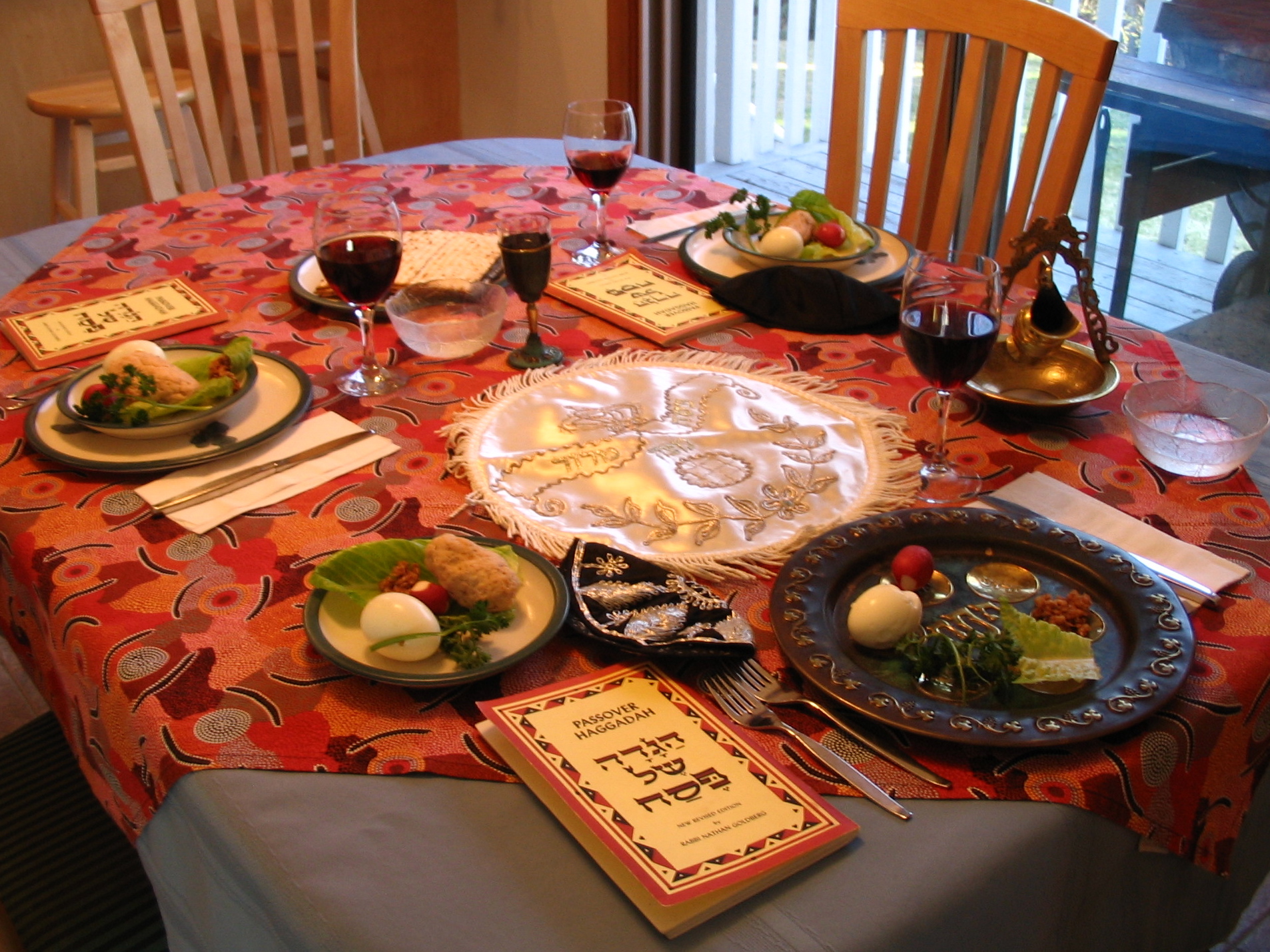
Passover's observance is characterized by strict adherence to specific dietary laws and rituals, most notably the prohibition of consuming leavened grains (wheat, barley, rye, oats, spelt) for the entire eight days. This involves a thorough cleaning of the home to remove all traces of chametz, often beginning weeks in advance. The central ritual is the Seder meal, held on the first one or two nights, where the Haggadah is recited, recounting the Exodus story through prayers, songs, and readings. Key Seder components include matzah (unleavened bread), maror (bitter herbs), charoset (a sweet mixture symbolizing mortar), and four cups of wine, each representing a different aspect of redemption. The second Seder is a later rabbinic innovation, observed by Ashkenazi Jews when the exact timing of the new moon was less certain.
📊 Key Facts & Numbers
Globally, Passover is observed by an estimated 15 million Jews, with approximately 80% participating in a Seder meal. The cost of kosher for Passover food products is substantial, with the market estimated to be worth billions of dollars annually, particularly in countries like the United States and israel. The duration of the holiday is eight days, with the first two and last two days considered full holidays (Yom Tov) and the intermediate days (Chol HaMoed) having fewer restrictions. Observance of chametz prohibition is near-universal among practicing Jews, making it one of the most widely followed Jewish observances. The Passover narrative is central to Jewish identity, with studies indicating that over 90% of Jews identify with the Exodus story as a foundational element of their heritage.
👥 Key People & Organizations
While no single founder is attributed to Passover, its narrative is inextricably linked to Moses, the prophet who led the Israelites out of Egypt according to the Torah. Key figures in its rabbinic development include Rabbi Shlomo Yitzchaki (Rashi), whose commentaries on the Haggadah remain influential, and Maimonides, who codified Passover laws in his Mishneh Torah. Modern organizational bodies like Chabad Lubavitch and the Union for Reform Judaism play significant roles in disseminating Passover traditions and resources globally, reaching millions of congregants through synagogues and community centers. The Jewish Agency for Israel also facilitates Passover observance for Jews worldwide.
🌍 Cultural Impact & Influence
Passover's influence extends far beyond religious observance, shaping Jewish culture, literature, and art for millennia. The Exodus narrative has become a universal symbol of liberation and freedom, resonating with various social justice movements, including the American Civil Rights Movement, where leaders like Dr. Martin Luther King Jr. drew parallels to the struggle for freedom. The concept of 'passing over' has also been adopted metaphorically in secular contexts. The dietary restrictions, particularly the avoidance of chametz, have spurred a unique culinary tradition and a significant global food industry. Passover themes are frequently explored in Jewish literature, Jewish music, and Jewish art, reflecting its enduring cultural significance.
⚡ Current State & Latest Developments
In 2024, Passover began on the evening of April 22nd and concluded on April 30th. The holiday continues to be a major focus for Jewish communities worldwide, with organizations like Chabad.org providing extensive online resources, including Haggadah texts and Seder guides, reaching millions. There's a growing trend in interfaith Seders, aiming to foster understanding and shared experiences. The food industry sees a surge in demand for kosher-for-Passover products, with companies like Manischewitz and Streit's Matzo experiencing peak sales periods. The observance remains robust, with many synagogues and community centers organizing communal Seders and educational programs, adapting to both in-person and virtual formats.
🤔 Controversies & Debates
One persistent debate revolves around the historical accuracy of the Exodus narrative, with archaeological evidence for a large-scale Israelite sojourn and mass exodus from Egypt remaining inconclusive, a point often raised by secular historians and archaeologists like Israel Finkelstein. Another area of contention is the interpretation and observance of chametz, with varying degrees of strictness among different Jewish denominations. Reform and Conservative Judaism often adopt more lenient approaches compared to Orthodox Judaism regarding the definition and removal of chametz. Furthermore, the commercialization of Passover, particularly the extensive marketing of kosher-for-Passover products, sparks discussions about maintaining the holiday's spiritual essence amidst consumerism, a concern voiced by various Jewish commentators.
🔮 Future Outlook & Predictions
The future of Passover observance is likely to see continued adaptation to modern life. While the core rituals are expected to remain, the methods of engagement may evolve. We can anticipate further digital integration, with more sophisticated virtual Seder platforms and online educational resources, potentially increasing accessibility for those unable to attend in person. There's also a potential for greater emphasis on the social justice aspects of the Exodus narrative, aligning Passover with contemporary global human rights issues, a direction championed by progressive Jewish movements. The challenge will be to balance tradition with innovation, ensuring the holiday remains relevant and meaningful for younger generations in an increasingly secularized world, a concern highlighted by demographic studies of Jewish engagement.
💡 Practical Applications
Passover's practical applications are primarily within the religious and cultural spheres. The dietary laws create a distinct culinary niche, influencing food production and consumption for eight days annually. The Seder ritual serves as a powerful educational tool, transmitting historical narratives and values across generations. Beyond the Jewish community, Passover Seders are increasingly hosted by interfaith organizations and universities, serving as educational events to promote cultural understanding and dialogue about themes of freedom and justice. The holiday's emphasis on remembrance and storytelling also provides a framework for personal reflection and family bonding, reinforcing familial ties and shared identity.
Key Facts
- Category
- culture
- Type
- event