
Contents
Overview
The pineapple's journey began in South America, where indigenous peoples, such as the Tupi-Guarani, domesticated it thousands of years ago. Archaeological evidence suggests cultivation as early as 1200-800 BCE in Peru. This remarkable fruit, known by variations of the word 'nanas' in indigenous languages, spread throughout the Americas. European explorers, including Christopher Columbus in 1493, were captivated by its unique flavor and appearance, leading to its introduction to Europe in the 17th century. The rarity and exotic nature of the pineapple quickly transformed it into a symbol of luxury and status among European elites, a far cry from its humble origins documented by figures like Gonzalo Fernández de Oviedo y Valdés.
⚙️ Description & Cultivation
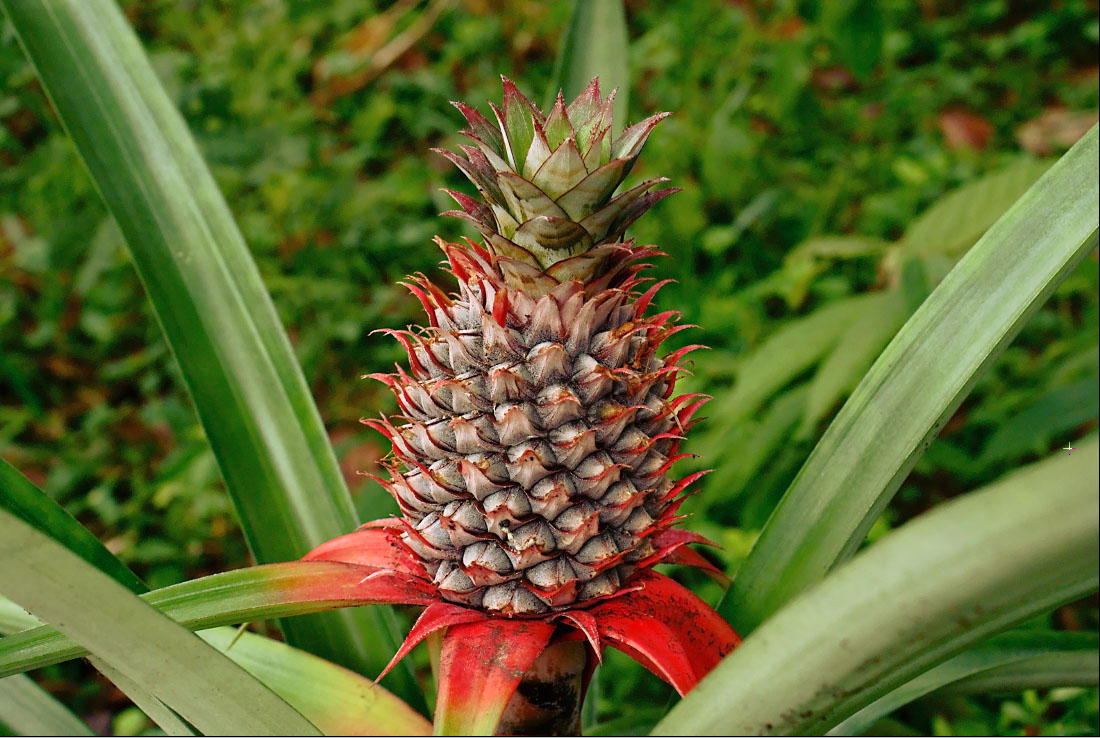
Botanically, the pineapple is a herbaceous perennial plant belonging to the Bromeliaceae family. It grows as a small shrub with tough, waxy leaves, typically reaching 1 to 1.5 meters in height. The fruit itself is a multiple fruit, formed from the fusion of numerous individual flowers. Propagation primarily occurs through offsets or side shoots, as seeds are rare in cultivated varieties. Commercial cultivation, which began in earnest in the 1820s, involves growing pineapples in greenhouses and tropical plantations. Notable cultivars include Smooth Cayenne, Red Spanish, and the hybrid MD-2, which has become a popular choice for its sweetness and shelf life, as discussed in resources like Wikipedia and USDA SNAP-Ed.
🌍 Cultural Impact & Symbolism
In Europe, the pineapple's scarcity and high cost made it an extraordinary status symbol. Owning or even displaying a pineapple at social gatherings signified immense wealth and prestige. This fascination led to its incorporation into art, architecture, and literature, with notable examples including portraits of King Charles II and decorative elements on buildings. In colonial America, the pineapple evolved into a symbol of hospitality and friendship, adorning gateposts and household items. This cultural significance, explored in historical accounts from Historic UK and Tastes of History, highlights the pineapple's transition from a mere fruit to a powerful emblem.
🔮 Nutritional Value & Health Benefits
Beyond its cultural impact, the pineapple is highly nutritious, offering a rich source of Vitamin C, manganese, and digestive enzymes like bromelain. One cup of pineapple chunks provides approximately 82 calories, with carbohydrates being its primary caloric source. Bromelain is associated with various health benefits, including aiding digestion, reducing inflammation, and potentially boosting immunity. While research is ongoing, studies suggest pineapple may contribute to wound healing and even possess anti-cancer properties, as detailed by sources like Healthline and WebMD. The USDA FoodData Central also provides comprehensive nutritional information for this versatile fruit.
Key Facts
- Year
- Ancient cultivation to present
- Origin
- South America
- Category
- nature
- Type
- concept
Frequently Asked Questions
What is a pineapple?
A pineapple is the common name for the tropical plant Ananas comosus and its large, edible, multiple fruit. It is a significant member of the Bromeliaceae family and is native to South America.
Where did pineapples originate?
Pineapples are indigenous to South America, with evidence of cultivation dating back thousands of years in regions like Peru and Brazil. They were spread throughout the Americas by indigenous peoples before being introduced to Europe.
Why was the pineapple considered a symbol of luxury?
In Europe, particularly from the 17th century onwards, pineapples were rare, difficult to transport without spoiling, and expensive to cultivate. This scarcity made them a highly coveted status symbol among the wealthy, often displayed rather than eaten.
What are the main health benefits of pineapple?
Pineapples are a good source of Vitamin C and contain bromelain, an enzyme with anti-inflammatory properties. These components may aid digestion, boost immunity, support wound healing, and potentially reduce the risk of certain chronic diseases.
How is pineapple cultivated?
Pineapples are cultivated as herbaceous perennial plants. Commercial cultivation involves growing them in tropical plantations or greenhouses. The plant typically propagates from offsets or side shoots, and the fruit matures within about 18 months.
References
- snaped.fns.usda.gov — /resources/nutrition-education-materials/seasonal-produce-guide/pineapples
- healthline.com — /nutrition/benefits-of-pineapple
- en.wikipedia.org — /wiki/Pineapple
- webmd.com — /food-recipes/benefits-pineapple
- medicalnewstoday.com — /articles/276903
- webmd.com — /diet/ss/slideshow-health-benefits-pineapple
- verywellfit.com — /pineapple-nutrition-facts-calories-and-health-benefits-4114409
- foodstruct.com — /food/pineapple