
Contents
- 🧱 What is Plaster, Really?
- 📜 A Brief History of Wall Coatings
- 🏠 Interior vs. Exterior: Plaster vs. Render
- ✨ The Art of Stucco: Decorative Plasterwork
- 🛠️ Types of Plaster: From Gypsum to Lime
- 💡 Key Ingredients & How It Works
- 💪 Durability & Maintenance Considerations
- 💸 Cost Factors & Value Proposition
- ❓ Common Plastering Myths Debunked
- 🌍 Global Variations in Plaster Use
- 🚀 The Future of Plaster and Wall Finishes
- Frequently Asked Questions
- Related Topics
Overview
Plaster is a versatile building material, a paste applied wet that hardens to a smooth, durable surface. Historically, its origins trace back to ancient Mesopotamia and Egypt, where gypsum and lime-based plasters were used for both decorative and structural purposes. Today, plaster remains crucial in construction for wall and ceiling finishing, offering fire resistance and sound insulation, but its applications have expanded into artistic mediums and even specialized industrial uses. The debate often centers on its environmental impact versus its longevity and aesthetic appeal, with ongoing innovation in sustainable formulations.
🧱 What is Plaster, Really?
Plaster is a versatile building material applied as a smooth, hard coating to walls and ceilings. Primarily used for interior finishes, it provides a protective layer and a canvas for decoration. Beyond its functional role, plaster is a key component in creating decorative elements through molding and casting. Its application ranges from simple, flat surfaces to intricate relief work, making it a staple in both traditional and contemporary construction. Understanding its composition and application is crucial for anyone involved in building or renovation projects.
📜 A Brief History of Wall Coatings
The use of plaster dates back to ancient civilizations, with evidence found in Mesopotamia as early as 7000 BCE. Early plasters were typically made from gypsum or lime, mixed with aggregates like sand or animal hair. The Egyptians employed gypsum plaster for tomb decorations, while the Romans perfected lime plaster techniques, as seen in the Pantheon. This long history underscores plaster's enduring utility and adaptability across millennia of architectural evolution. Its foundational role in creating durable and aesthetically pleasing surfaces is undeniable.
🏠 Interior vs. Exterior: Plaster vs. Render
While often used interchangeably, 'plaster' and 'render' denote distinct applications. 'Plaster' typically refers to interior wall and ceiling coatings, valued for their smooth finish and ease of decoration. 'Render,' conversely, is the term for exterior wall coatings, designed to withstand harsher environmental conditions and provide weatherproofing. Both are cementitious or gypsum-based materials, but their formulations and application methods differ significantly to suit their intended environments. Distinguishing between them is vital for selecting the correct material for a project.
✨ The Art of Stucco: Decorative Plasterwork
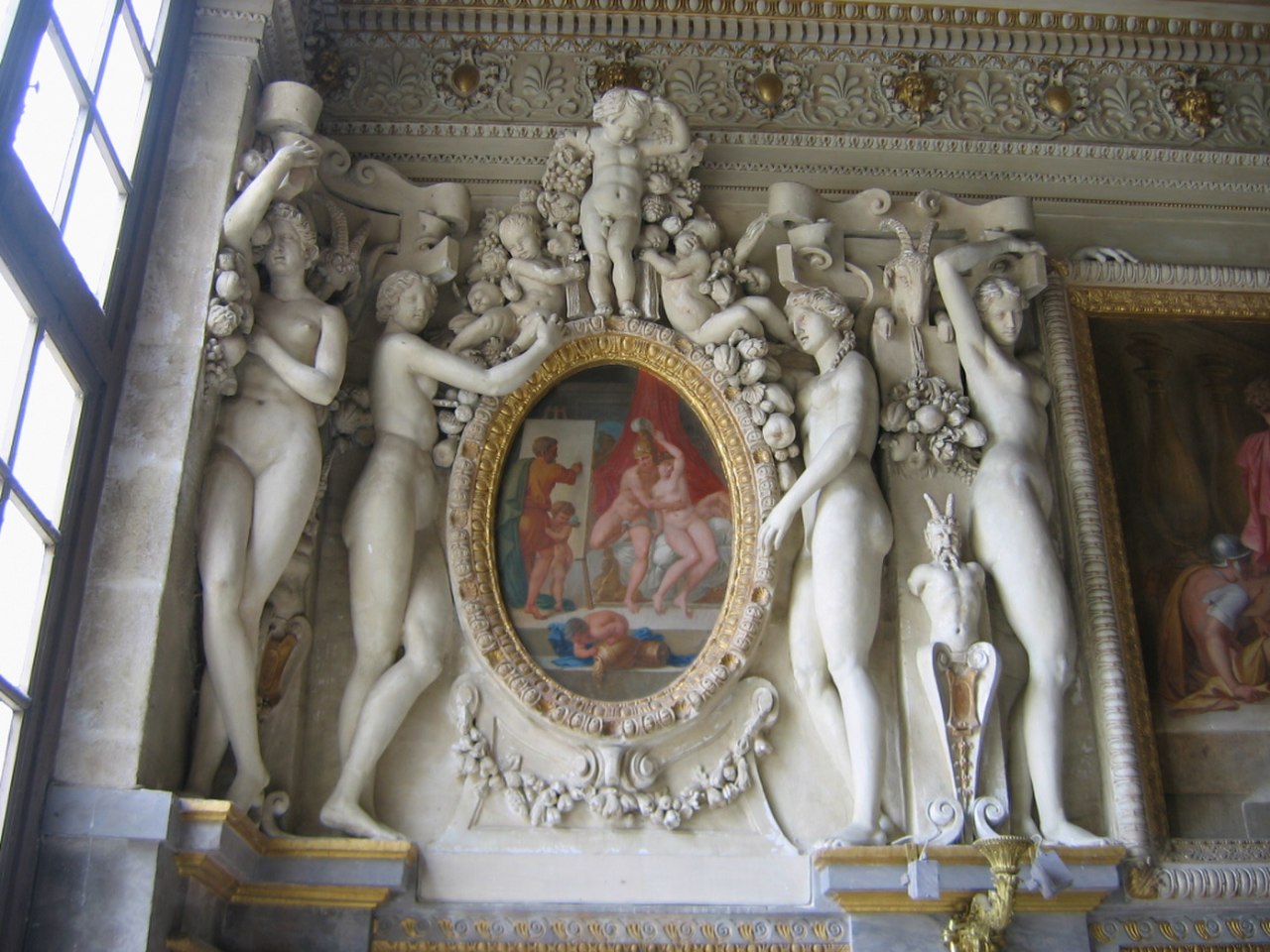
Stucco is a specialized form of plasterwork characterized by its ability to be sculpted into relief decoration. Unlike flat plaster surfaces, stucco allows for the creation of three-dimensional designs, ornamental motifs, and textured finishes. This artistry transforms plain walls into elaborate facades or interior features. From classical Greek architecture to contemporary sculptural installations, stucco offers a unique medium for architectural expression and artistic craftsmanship. Its potential for intricate detail is virtually limitless.
🛠️ Types of Plaster: From Gypsum to Lime
Plaster formulations vary widely, with gypsum plaster being common for interior walls due to its fast setting time and smooth finish. Lime plaster, favored for its breathability and flexibility, is often used in historic restorations and for exterior applications. Other types include cement plaster, known for its strength and water resistance, and specialized plasters like EIFS (Exterior Insulation and Finish Systems) which combine insulation with a protective outer layer. Each type offers unique properties suited to different construction needs and aesthetic goals.
💡 Key Ingredients & How It Works
The core components of most plasters include a binder (like gypsum, lime, or cement), an aggregate (typically sand), and water. The binder reacts chemically with water, causing the mixture to harden. Gypsum plaster relies on the hydration of calcium sulfate. Lime plaster hardens through carbonation, a slow reaction with atmospheric carbon dioxide. The aggregate provides bulk and reduces shrinkage, while additives can modify setting times, workability, and final properties. Understanding these components is key to achieving a successful and durable finish.
💪 Durability & Maintenance Considerations
Plaster, particularly traditional lime plaster, offers excellent durability and a lifespan that can easily exceed a century with proper care. Its ability to 'breathe' allows moisture vapor to pass through, reducing the risk of mold growth and condensation issues. Maintenance typically involves cleaning and occasional repair of cracks or damage. While modern synthetic finishes may offer quicker application, the long-term resilience and aesthetic appeal of well-maintained plaster often prove superior. Its inherent strength makes it a sound investment in building longevity.
💸 Cost Factors & Value Proposition
The cost of plastering is influenced by several factors, including the type of plaster used, the complexity of the application, and the size of the area. Gypsum plaster is generally more affordable than traditional lime plaster or specialized stucco applications. Labor costs also play a significant role, as skilled plasterers command higher rates. However, the long-term durability and aesthetic value of plaster can offer a strong return on investment, reducing the need for frequent repairs or replacements compared to less robust finishes. Considering the lifespan is crucial for a true cost-benefit analysis.
❓ Common Plastering Myths Debunked
One persistent myth is that plaster is inherently prone to cracking. While all materials can crack under stress, modern plastering techniques and proper material selection significantly mitigate this risk. Another misconception is that plaster is difficult to repair; in reality, skilled tradespeople can seamlessly patch and blend repairs, restoring the surface to its original condition. Furthermore, the idea that plaster is outdated ignores its continued use in high-end construction and restoration projects for its unique aesthetic and performance qualities. These myths often stem from poorly executed past jobs rather than inherent flaws in the material itself.
🌍 Global Variations in Plaster Use
Across the globe, plaster and its variants are employed with distinct regional styles and material preferences. In Mediterranean countries, lime render is prevalent, often finished with textured or colored washes. Japanese traditional architecture sometimes incorporates earth-based plasters for their natural aesthetic and thermal properties. The use of gypsum plaster is widespread in North America and Europe for interior finishes. These global variations highlight how local climate, available materials, and cultural aesthetics have shaped the application and perception of plaster worldwide.
🚀 The Future of Plaster and Wall Finishes
The future of plaster likely involves advancements in sustainable materials and application technologies. We may see greater use of recycled aggregates or bio-based binders. Innovations in prefabricated plaster panels could streamline installation and improve consistency. Furthermore, the integration of smart technologies, such as embedded sensors for environmental monitoring, could become more common. While new wall finishes emerge, plaster's inherent qualities of durability, aesthetic versatility, and potential for artistry ensure its continued relevance, possibly in enhanced and modernized forms. The debate will likely center on balancing tradition with technological progress.
Key Facts
- Year
- -7000
- Origin
- Mesopotamia
- Category
- Materials Science & Construction
- Type
- Material
Frequently Asked Questions
What's the main difference between plaster and render?
The primary distinction lies in their application: 'plaster' typically refers to interior wall and ceiling coatings, while 'render' is used for exterior surfaces. Exterior renders are formulated for greater durability and weather resistance. Both are applied as protective and decorative coatings, but their compositions and specific uses differ to suit their environments. Understanding this difference is key when selecting materials for building projects.
Is plaster still a relevant building material today?
Absolutely. While modern alternatives exist, plaster remains highly relevant, especially in high-end construction, historic restorations, and areas where aesthetic detail is paramount. Its durability, ability to create seamless finishes, and capacity for intricate decorative work ensure its continued use. Advancements in plaster technology also address some historical limitations, making it a competitive choice for many projects.
How long does plaster typically last?
With proper application and maintenance, traditional plaster can last for well over a century. Lime plaster, in particular, is known for its exceptional longevity and ability to self-heal minor cracks over time through carbonation. Gypsum plaster also offers significant durability for interior applications. Its lifespan often surpasses that of many modern synthetic wall finishes, making it a long-term investment.
What are the pros and cons of using plaster?
Pros include excellent durability, a smooth and seamless finish, aesthetic versatility (from flat walls to decorative stucco), good fire resistance, and breathability (especially with lime plaster), which helps regulate humidity. Cons can include higher initial cost compared to some alternatives, longer application times, and the need for skilled labor. Traditional plaster can also be more susceptible to impact damage than some harder modern finishes.
Can plaster be painted?
Yes, plaster is an excellent surface for painting. Once the plaster has fully cured (which can take several weeks for lime plaster), it can be primed and painted with most types of interior paints. For lime plaster, it's often recommended to use breathable paints like mineral paints or limewash to maintain its natural properties. Proper surface preparation, including cleaning and priming, is essential for a good finish.
What is stucco and how does it differ from plaster?
Stucco is essentially a type of plaster that is specifically worked to create relief decoration or textured finishes, rather than a flat surface. While both use similar base materials (lime, gypsum, cement), stucco emphasizes the artistic and sculptural possibilities. It's often used for decorative exterior facades and interior ornamental features, allowing for intricate designs and patterns that go beyond a simple wall coating.