
Contents
Overview
The plumbing industry is a foundational element of modern civilization, encompassing the design, installation, and maintenance of systems that transport potable water, sewage, and drainage. Its history is deeply intertwined with public health advancements, from Roman aqueducts to the widespread adoption of indoor sanitation in the 19th century. Today, it's a multi-billion dollar sector employing millions of skilled tradespeople, engineers, and manufacturers worldwide.
The industry is characterized by its essentiality; virtually no building can function without a robust plumbing infrastructure. This includes everything from the vast municipal water mains and sewer lines connecting cities to the intricate networks within residential homes, commercial buildings, and industrial facilities. The materials used have evolved dramatically, from lead and cast iron to copper, PEX, and PVC, each with its own engineering considerations and installation nuances.
While often out of sight and out of mind, plumbing is a constant battleground for innovation and regulation. Debates rage over water conservation technologies, the efficacy of new materials, and the training standards for its workforce. The future of plumbing is increasingly linked to smart home technology, sustainable water management, and adapting to aging infrastructure.
The Ancient Flow
The roots of modern plumbing stretch back to ancient civilizations. The Romans, for instance, perfected the use of lead pipes and gravity-fed aqueducts to supply water to their cities, a feat of engineering that significantly boosted sanitation and public health for their era. However, it was the Industrial Revolution and the subsequent urbanization that truly necessitated and propelled the plumbing industry forward, particularly in the 19th century with the development of flush toilets and municipal sewer systems. Think of the monumental efforts to build out sewer networks in cities like London or New York; these were massive public works projects that fundamentally altered urban living and public health, drastically reducing waterborne diseases like cholera. The development of standardized pipe fittings and valves by companies like Crane Co. was crucial in making these systems scalable and maintainable.
Engineering the System
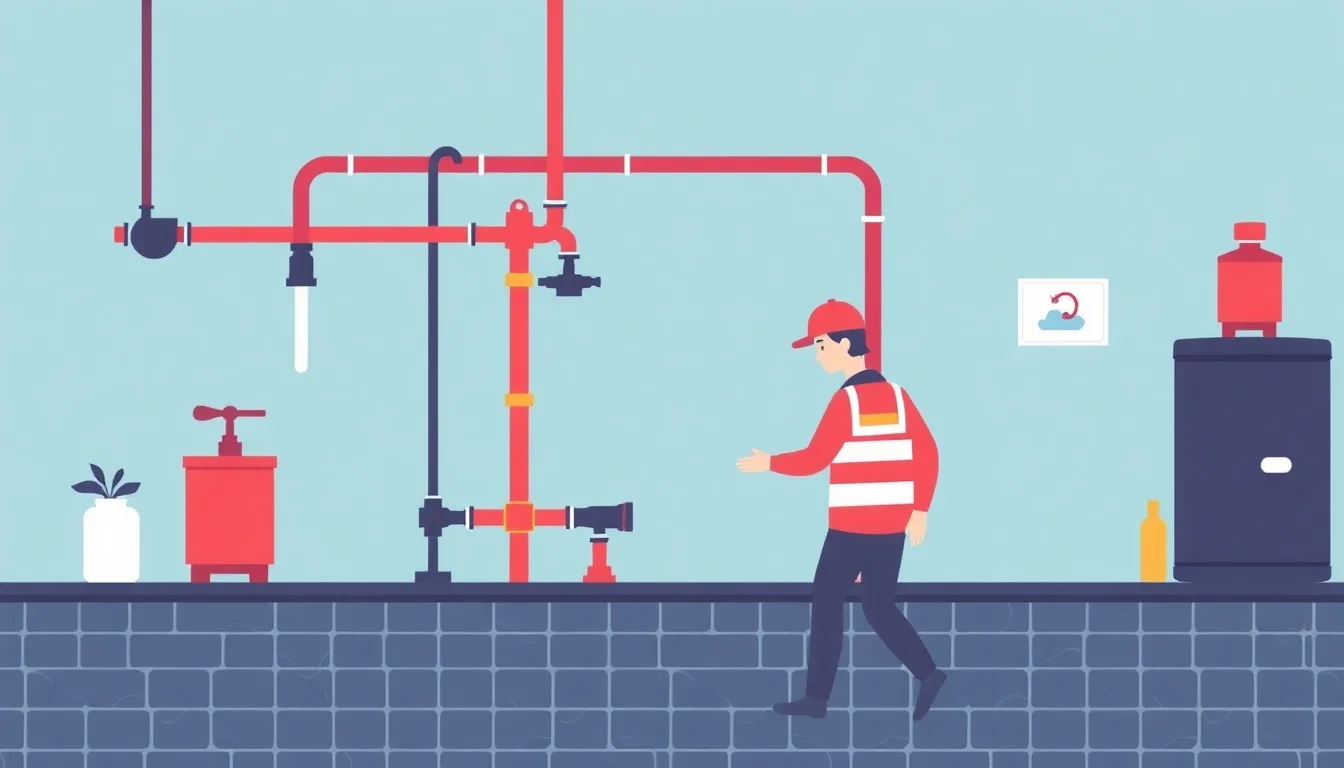
At its core, plumbing is about fluid dynamics and material science applied to human needs. A typical residential plumbing system involves a cold water supply line entering the home, often passing through a main shut-off valve and a water meter, then branching out to fixtures like sinks, toilets, and showers. Hot water is generated by a water heater and piped separately. Simultaneously, a complex drainage system, relying on gravity and strategically placed vents to prevent siphoning, carries wastewater away to either a municipal sewer or a septic system. The materials themselves are a constant engineering discussion: copper offers excellent durability and heat resistance but is costly and prone to corrosion; PEX (cross-linked polyethylene) is flexible, cheaper, and easier to install but raises some concerns about long-term durability and potential chemical leaching, a point of contention among plumbers and regulators. The design of fixtures, from low-flow toilets championed by environmental groups to high-pressure showerheads, reflects ongoing tension between conservation and user experience.
Economic Currents and Workforce Challenges
The plumbing industry is a colossal economic engine, with global market size estimates often exceeding $300 billion annually. It's a sector that demands constant adaptation to building codes, environmental regulations, and technological advancements. For example, the widespread adoption of water-efficient fixtures, driven by legislation like California's Title 20, has reshaped product development for manufacturers. The industry also faces significant workforce challenges; an aging demographic of experienced plumbers, coupled with a shortage of new apprentices, has led to increased demand and wages for skilled workers. Organizations like the Plumbing-Heating-Cooling Contractors Association (PHCC) work to standardize training and advocate for the profession, but the perception of plumbing as a less glamorous trade remains a hurdle.
The Future of Fluid Dynamics
The future of plumbing is inextricably linked to sustainability and smart technology. Innovations in water reclamation systems, greywater recycling, and advanced leak detection are becoming increasingly important, especially in water-scarce regions. The integration of smart home technology means that plumbing fixtures are no longer passive components; smart toilets can monitor health metrics, and smart faucets offer precise temperature and flow control. Furthermore, the ongoing challenge of aging infrastructure in developed nations presents a massive, multi-trillion dollar opportunity and necessity for replacement and upgrade projects. The industry's ability to embrace these changes, from advanced materials to digital diagnostics, will define its trajectory for decades to come, ensuring that the vital flow of water continues to be a reliable, safe, and sustainable resource.
Key Facts
- Year
- Ongoing
- Origin
- Global
- Category
- videos
- Type
- documentary
Frequently Asked Questions
What is the difference between a plumber and a pipefitter?
While often used interchangeably, plumbers typically work on systems within buildings (potable water, drainage, gas), whereas pipefitters often work on larger industrial systems, including those carrying steam, chemicals, or other specialized fluids, often involving welding.
What are the biggest challenges facing the plumbing industry today?
Key challenges include a shortage of skilled labor due to an aging workforce, the need to upgrade aging infrastructure, increasing demand for water-efficient solutions, and adapting to new materials and smart technologies.
How is plumbing related to public health?
Plumbing is directly responsible for delivering safe, potable water into buildings and safely removing sewage and wastewater, thereby preventing the spread of waterborne diseases and maintaining sanitary living conditions.
What are the most common plumbing materials used today?
Common materials include copper (for water supply), PEX (cross-linked polyethylene) tubing (for water supply), PVC and ABS (for drain, waste, and vent lines), and galvanized steel or cast iron (historically for supply and drainage, now less common in residential settings).