
Contents
Overview
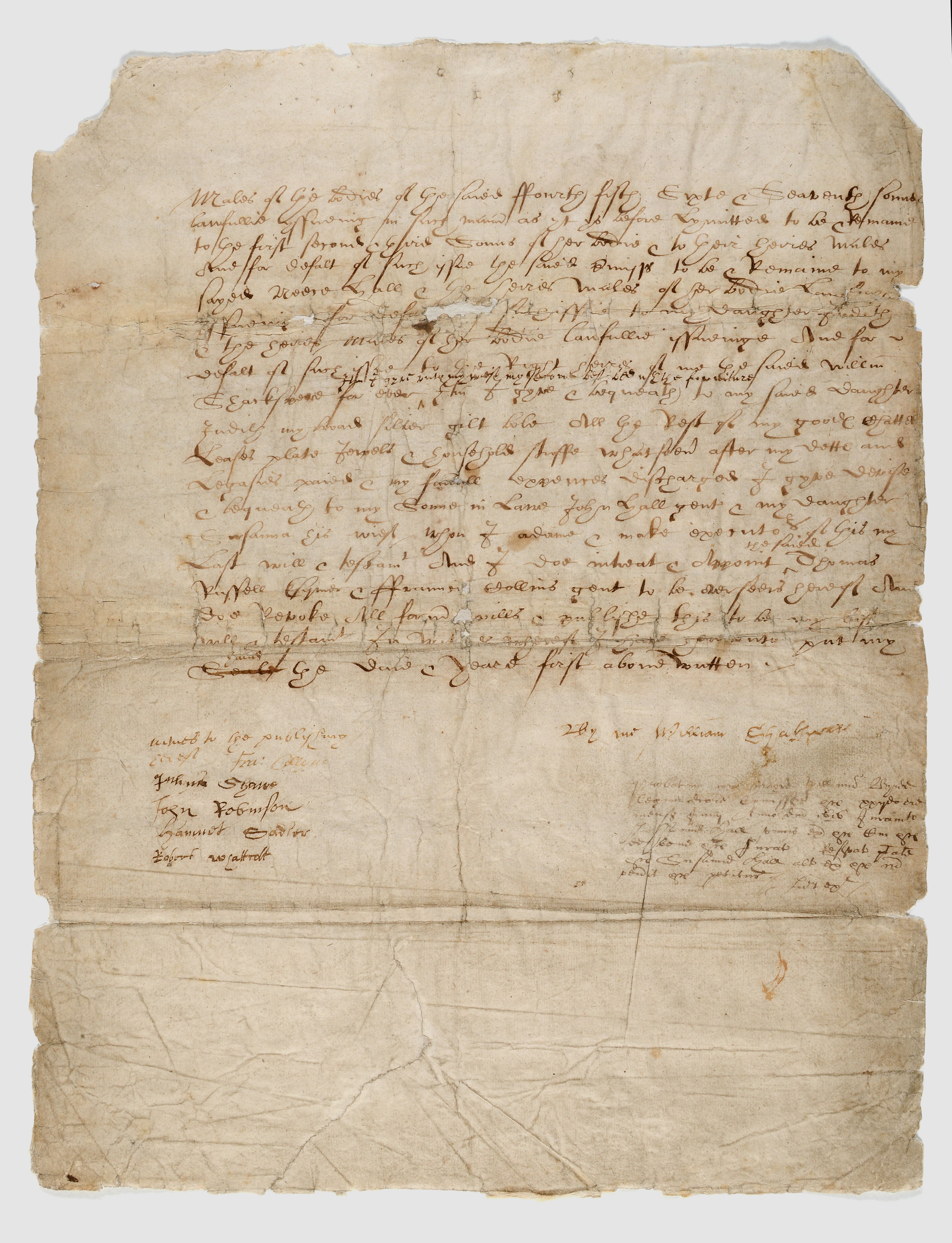
The roots of probate law stretch back to ancient Rome, where the concept of formalizing a deceased's wishes for property transfer was recognized. However, its modern form largely evolved from English common law, particularly the ecclesiastical courts' jurisdiction over wills and estates prior to the 17th century. In 1540, England granted landowners the right to bequeath their property, thus solidifying the need for a legal process to validate these wills. As English common law spread, so did probate principles to its colonies, including the United States, where it became a cornerstone of estate administration. Early American probate courts, often established at the county level, aimed to prevent fraud and ensure orderly succession, reflecting a societal need for certainty in property rights even after death. The development of specialized probate courts and statutory frameworks continued through the 18th and 19th centuries, adapting to changing economic and social structures.
⚙️ How It Works
At its core, probate law involves a court-supervised process to validate a deceased person's will (or determine intestacy if no will exists), appoint an executor or administrator, identify and inventory the estate's assets, pay outstanding debts and taxes, and finally distribute the remaining property to the rightful heirs or beneficiaries. The process typically begins with filing the will and a petition for probate with the appropriate court, often in the county where the deceased resided. The court then issues a formal appointment, granting the executor legal authority to act. This authority allows the executor to gather assets, manage the estate, and respond to creditor claims, which are usually subject to a statutory deadline. Once all claims are settled and taxes paid, the executor submits a final accounting and a plan for distribution, which the court must approve before the estate is formally closed. This structured approach, championed by entities like the Uniform Law Commission, aims to provide a clear, albeit sometimes lengthy, path for estate settlement.
📊 Key Facts & Numbers
The financial stakes in probate are substantial. For estates exceeding federal estate tax exemptions, probate costs can escalate significantly due to complex tax filings and potential legal challenges. The duration of probate also varies; while some estates are settled relatively quickly, complex cases involving substantial assets, contested wills, or significant debts can drag on for several years. The sheer volume of these cases underscores the critical role of probate courts and the legal professionals who navigate them.
👥 Key People & Organizations
Key figures in the development and practice of probate law include legal scholars who drafted uniform acts, such as William Schlesinger, who contributed to early probate reform efforts, and organizations like the American Bar Association, which provides resources and advocates for best practices. Probate judges, appointed or elected, preside over these proceedings, ensuring adherence to statutory requirements and ruling on disputes. Executors, often named in the will, bear the primary responsibility for managing the estate, a role that can be filled by individuals or professional fiduciaries like Bank of America's trust department. Attorneys specializing in estate planning and probate law, such as those at firms like Morgan Lewis or Skadden, Arps, Slate, Meagher & Flom, are instrumental in guiding estates through this intricate legal process.
🌍 Cultural Impact & Influence
Probate law's influence extends far beyond the courtroom, shaping family dynamics, financial planning, and even popular culture. The perceived complexity and cost of probate have fueled a cottage industry of estate planning services, encouraging individuals to create trusts and other non-probate transfer mechanisms to avoid the process altogether. This has led to a cultural narrative where probate is often portrayed as a dreaded, bureaucratic hurdle, a theme frequently explored in legal dramas and fictional narratives. The desire to simplify or bypass probate has also driven legislative changes, such as the introduction of simplified procedures for small estates in many jurisdictions. Furthermore, the public's understanding, or misunderstanding, of probate law impacts how individuals approach their own mortality and legacy, influencing decisions about wills, powers of attorney, and the distribution of personal property.
⚡ Current State & Latest Developments
In the current legal landscape, there's a persistent push towards streamlining probate processes, particularly for smaller estates. Many states have enacted legislation allowing for 'summary administration' or 'simplified probate' for estates below a certain value threshold, excluding certain assets. The rise of online legal services and legal tech platforms like LegalZoom and Rocket Lawyer has also begun to democratize access to basic estate planning documents, potentially reducing the need for formal probate in some instances. However, the core judicial process remains essential for larger or more complex estates. Recent legislative efforts in states like California and Texas continue to explore ways to reduce the time and expense associated with probate, balancing the need for court oversight with the desire for efficiency, a trend mirrored in jurisdictions globally.
🤔 Controversies & Debates
The primary controversy surrounding probate law centers on its perceived inefficiency, cost, and invasiveness. Critics argue that the lengthy court processes and associated fees, which can include attorney fees, executor fees, and court costs, often deplete the assets intended for heirs. The public nature of probate, where wills and inventories become public records, also raises privacy concerns for grieving families. Furthermore, contested probates, where beneficiaries or creditors challenge the validity of a will or the executor's actions, can lead to protracted and emotionally draining litigation, sometimes pitting family members against each other. Debates also arise regarding intestacy laws, which dictate asset distribution when no will exists, with arguments often surfacing about whether these laws truly reflect the deceased's likely wishes or societal fairness. The ongoing tension is between ensuring legal certainty and protecting assets versus providing a swift, private, and affordable transfer of wealth.
🔮 Future Outlook & Predictions
The future of probate law is likely to be shaped by continued technological integration and legislative reform aimed at increasing efficiency and reducing costs. Expect further expansion of simplified probate procedures for smaller estates and increased use of digital platforms for filing documents and managing estate administration, potentially mirroring trends seen in online court systems. The development of more sophisticated estate planning tools, including advanced trust structures and digital asset management solutions, may further reduce the number of estates requiring full probate. There's also a growing discussion about the role of alternative dispute resolution (ADR) methods, such as mediation and arbitration, within probate proceedings to resolve disputes more amicably and swiftly. Jurisdictions worldwide will likely continue to experiment with reforms, drawing lessons from each other to strike a better balance between legal rigor and practical accessibility.
💡 Practical Applications
Probate law's most direct application is in the formal administration of deceased individuals' estates. This includes validating wills, appointing personal representatives (executors or administrators), identifying and valuing all assets (real estate, bank accounts, investments, personal property), settling outstanding debts and taxes (including income, estate, and inheritance taxes), and distributing the net estate to beneficiaries as specified in the will or by intestacy statutes.
Key Facts
- Category
- law
- Type
- topic