
Contents
Overview
Platelet-rich plasma (PRP) therapy is a regenerative medicine technique that utilizes a concentration of a patient's own platelets, suspended in plasma, to accelerate healing. By drawing a patient's blood, processing it to isolate and concentrate platelets—which are rich in growth factors—and then re-injecting this 'super-serum' into damaged tissues, PRP aims to stimulate cellular repair and tissue regeneration. While widely adopted in orthopedics for conditions like osteoarthritis and tendinopathies, and increasingly in aesthetics for skin rejuvenation and hair loss, its efficacy remains a subject of ongoing research and debate, with varying levels of evidence supporting its use across different applications. The precise preparation methods and injection protocols can significantly influence outcomes, making standardization a key challenge in the field.
🎵 Origins & History
The concept of using blood products to enhance healing isn't entirely new, with early transfusions dating back centuries. The term 'Platelet-Rich Plasma' (PRP) became more formalized, and specialized centrifuges and collection kits were developed by companies like Harvest Technologies (now part of Terumo BCT) and Emcyte Corporation to standardize preparation. This celebrity endorsement has fueled a demand for PRP in cosmetic dermatology, with clinics offering 'vampire facials' (PRP microneedling) becoming a trend popularized by figures like Kim Kardashian. The narrative of 'using your own body's power' resonates deeply, positioning PRP as a natural, cutting-edge solution, though this perception sometimes outpaces the scientific consensus.
⚙️ How It Works
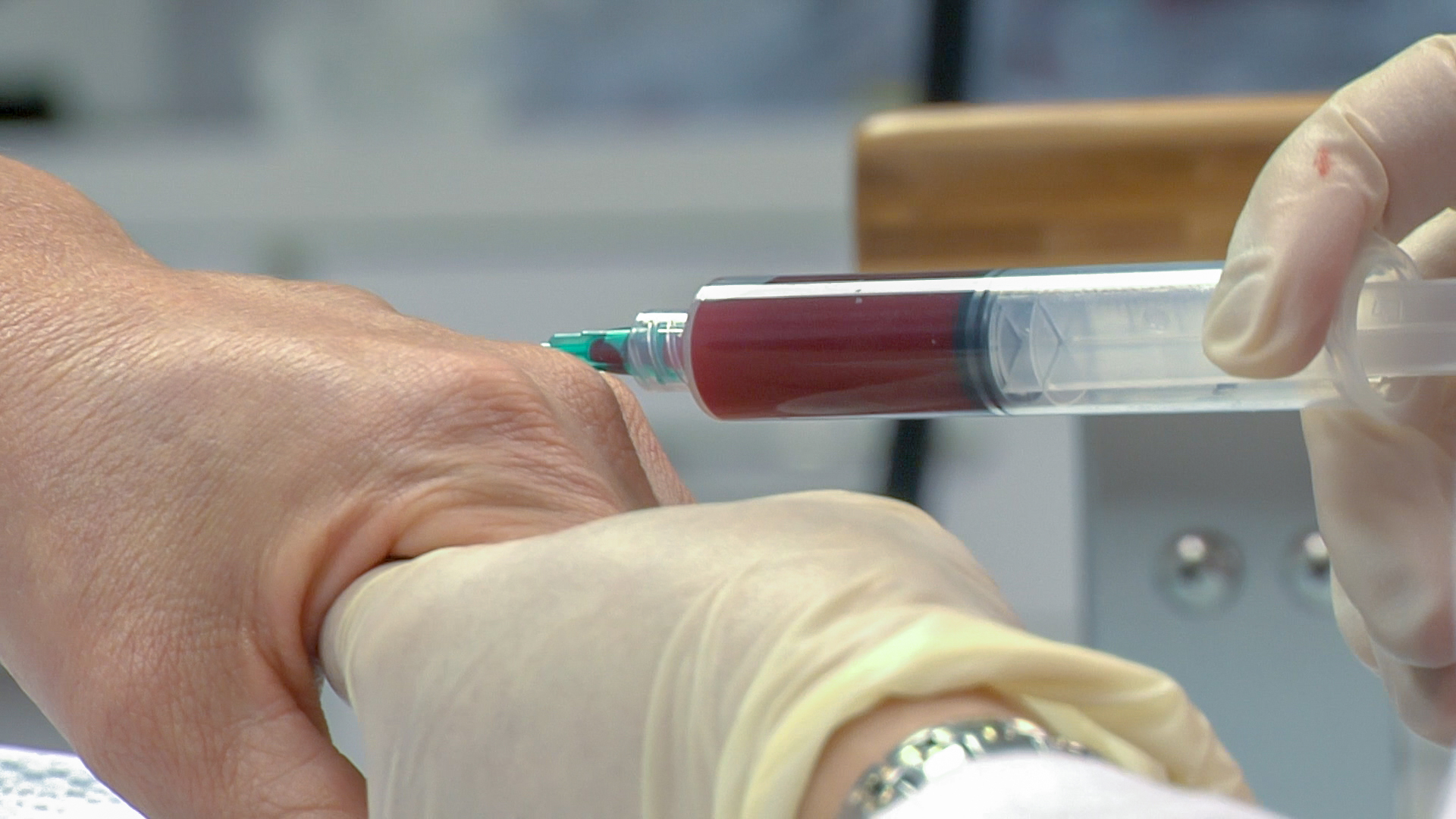
PRP therapy begins with a simple blood draw from the patient, typically 10-60 mL, similar to a standard blood test. This whole blood is then placed into a specialized centrifuge, a device that spins at high speeds to separate blood components based on density. Through a process of differential centrifugation, red blood cells and most white blood cells are removed, leaving behind a concentrated plasma rich in platelets. This platelet concentrate, often 3-5 times the normal physiological concentration, is then activated, typically by the addition of calcium chloride, which triggers the release of numerous growth factors and cytokines, such as platelet-derived growth factor (PDGF), transforming growth factor-beta (TGF-β), and vascular endothelial growth factor (VEGF). This activated PRP is then carefully injected into the target area—be it a damaged tendon, a joint, or the scalp—to stimulate the body's natural healing cascade, promoting cell proliferation, collagen synthesis, and tissue regeneration.
📊 Key Facts & Numbers
Globally, the PRP market is substantial, projected to reach approximately $1.2 billion by 2027, with a compound annual growth rate (CAGR) of around 11.5% between 2020 and 2027. In orthopedics, studies suggest PRP injections can reduce pain in knee osteoarthritis by an average of 50% in some patient groups. For androgenic alopecia (hair loss), clinical trials have reported an average increase of 30-40% in hair count after a series of treatments. The cost of a single PRP injection can range from $300 to $1,000 USD, depending on the clinic, the area treated, and the number of sessions required, which typically range from 1 to 3 for initial treatment. Over 500 clinical trials related to PRP therapy are registered on ClinicalTrials.gov, indicating significant ongoing research.
👥 Key People & Organizations
Pioneering figures in the early adoption of PRP include orthopedic surgeons like J.M. Charnley (though more known for hip replacements, his work on bone healing paved the way) and later, researchers like Alan S. Gentile, who published extensively on its orthopedic applications. Organizations such as the American Academy of Orthopaedic Surgeons (AAOS) and the International Society of Sports Medicine have been instrumental in disseminating information and guidelines regarding PRP use. In the aesthetic realm, dermatologists and plastic surgeons, including those associated with the American Academy of Dermatology (AAD), have been key proponents, developing protocols for skin rejuvenation and hair restoration. Companies like Emcyte Corporation, Biomet, Inc. (now part of Zimmer Biomet), and Arthrex, Inc. are major players in developing and marketing PRP collection and delivery systems.
🌍 Cultural Impact & Influence
PRP therapy has permeated popular culture, often highlighted in sports medicine circles as a secret weapon for athletes seeking faster recovery from injuries. Numerous professional athletes, from Tiger Woods (for knee and back issues) to Rafael Nadal (for knee and hip pain), have publicly acknowledged undergoing PRP treatments, significantly boosting its public profile and perceived efficacy. This celebrity endorsement has fueled a demand for PRP in cosmetic dermatology, with clinics offering 'vampire facials' (PRP microneedling) becoming a trend popularized by figures like Kim Kardashian. The narrative of 'using your own body's power' resonates deeply, positioning PRP as a natural, cutting-edge solution, though this perception sometimes outpaces the scientific consensus.
⚡ Current State & Latest Developments
The current landscape of PRP therapy is characterized by rapid expansion and increasing sophistication. New devices and preparation systems are continuously being introduced by companies like Emcyte Corporation and Regeneration Technologies, Inc. aiming for higher platelet yields and better standardization. Research is actively exploring PRP's potential in treating a wider array of conditions, including chronic wounds, cardiovascular diseases, and even neurological disorders. In orthopedics, the focus is shifting towards optimizing treatment protocols for specific conditions like rotator cuff tears and osteoarthritis, with ongoing clinical trials investigating optimal dosages and injection frequencies. Combination therapies involving PRP and other modalities like microneedling and laser therapy are gaining popularity.
🤔 Controversies & Debates
The efficacy and standardization of PRP therapy remain significant points of contention. While many studies show positive outcomes, particularly in orthopedics for conditions like tendinopathy and osteoarthritis, a substantial body of research presents mixed or inconclusive results. Critics point to the lack of standardized preparation methods across different devices and clinics, making it difficult to compare study results and replicate successful outcomes. The 'placebo effect' is frequently cited as a potential confounder, given the invasive nature of injections and the strong patient expectation of benefit. Furthermore, the high cost of treatment, often not covered by insurance, raises questions about accessibility and value for money, especially when compared to more established therapies. Regulatory bodies like the U.S. Food and Drug Administration (FDA) have cleared some devices for PRP preparation but have not broadly approved PRP as a treatment for specific medical conditions, highlighting the ongoing need for robust clinical evidence.
🔮 Future Outlook & Predictions
The future of PRP therapy appears poised for continued growth, driven by advancements in technology and a deeper understanding of its biological mechanisms. Researchers are focusing on developing 'next-generation' PRP formulations, such as leukocyte-rich PRP (LR-PRP) or leukocyte-reduced PRP (LR-PRP), to target specific therapeutic goals. The integration of PRP with other regenerative modalities, like stem cell therapy and exosome therapy, is a promising area of exploration, potentially leading to synergistic effects. As more high-quality, randomized controlled trials emerge, regulatory approvals for specific indications are likely to increase, potentially leading to broader insurance coverage. The development of point-of-care diagnostic tools to assess platelet counts and growth factor levels in real-time could further refine treatment personalization, moving PRP therapy towards a more precise and predictable clinical tool.
💡 Practical Applications
PRP therapy finds its most widespread application in sports medicine and orthopedics to treat a variety of musculoskeletal injuries. This includes conditions like osteoarthritis of the knee, hip, and ankle; tendinopathies such as tennis elbow and Achilles tendinitis; rotator cuff tears; and muscle strains. In dermatology, it's used for skin rejuvenation, often combined with microneedling (the 'vampire facial'), to improve skin texture, reduce wrinkles, and treat acne scars. It's als
Key Facts
- Category
- science
- Type
- topic