
Contents
Overview
The concept of organized recovery efforts, while perhaps not explicitly termed as such, has roots stretching back to ancient times, with communities banding together after fires, floods, and plagues. Historically, responses were often localized and ad hoc, relying on immediate community support and rudimentary engineering. The formalization of disaster response and recovery began to take shape with the rise of organized firefighting brigades and military engineering corps capable of large-scale reconstruction. The establishment of entities like the American Red Cross in 1881 marked a significant step towards institutionalized humanitarian aid and recovery coordination. Modern recovery efforts, however, were profoundly shaped by the 20th century's large-scale conflicts and natural disasters, leading to the development of international frameworks and specialized agencies dedicated to post-disaster management, culminating in the comprehensive approaches seen after events like the 1906 San Francisco earthquake and the aftermath of World War II.
⚙️ How It Works
Recovery efforts operate on a tiered system, beginning with immediate life-saving actions and progressing through stages of stabilization, restoration, and rebuilding. The initial phase, often termed 'emergency response,' involves search and rescue, medical aid, and securing critical infrastructure. This is followed by 'short-term recovery,' which focuses on debris removal, temporary housing, and restoring essential services like power and water, as exemplified by the efforts post-Fukushima Daiichi nuclear disaster. 'Long-term recovery' encompasses rebuilding permanent structures, economic revitalization, environmental remediation, and addressing the psychological and social needs of affected populations. This phase can take years, even decades, and requires sustained funding, policy adjustments, and community engagement, as seen in the protracted recovery from New Orleans after Hurricane Katrina.
📊 Key Facts & Numbers
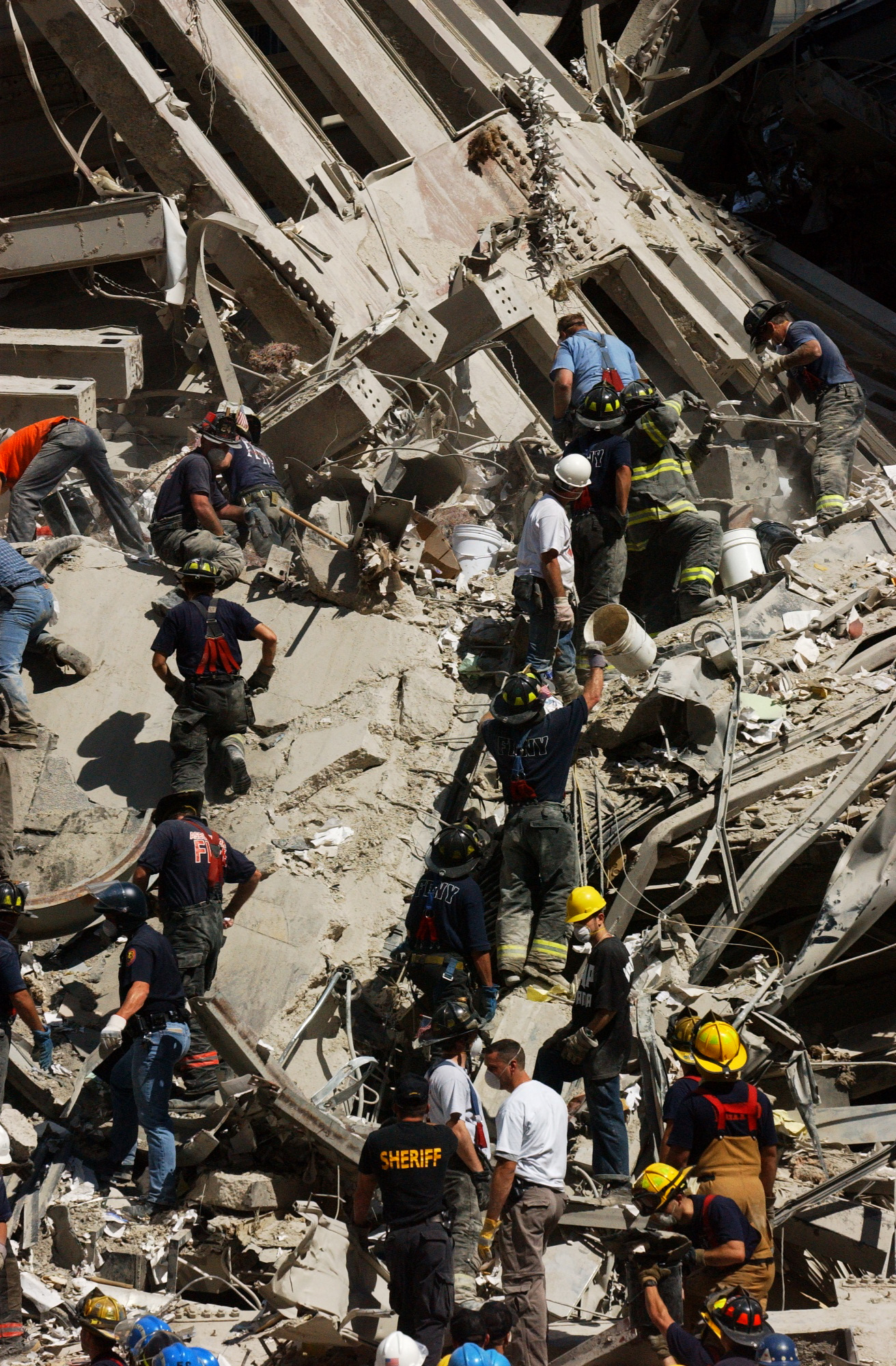
The scale of recovery efforts can be staggering. Following the 2004 Indian Ocean tsunami, over $13.5 billion in aid was pledged globally, with countries like Indonesia and Sri Lanka facing immense rebuilding challenges. The recovery from the September 11 attacks involved an estimated 30,000 rescue and recovery workers, with cleanup operations at Ground Zero costing upwards of $750 million and taking 270 days to complete. In the aftermath of Hurricane Maria in Puerto Rico (2017), it took over 100 days for power to be restored to 90% of the island, and economic recovery remains a long-term challenge. The global cost of natural disasters alone exceeded $200 billion in 2022, according to Munich Re, underscoring the immense financial and logistical demands of recovery.
👥 Key People & Organizations
Key individuals and organizations are central to coordinating and executing recovery efforts. Governmental bodies like the Federal Emergency Management Agency in the U.S. play a crucial role in coordinating federal resources. International organizations such as the United Nations and its agencies, like the UN Office for Disaster Risk Reduction, set global standards and provide support. Non-governmental organizations (NGOs) like the Salvation Army, Médecins Sans Frontières (MSF), and Habitat for Humanity are vital on the ground, providing immediate relief, medical care, and long-term rebuilding assistance. The Port Authority of New York and New Jersey and the New York City Fire Department (FDNY) were critical in the immediate response to the 9/11 attacks.
🌍 Cultural Impact & Influence
Recovery efforts have a profound cultural impact, shaping collective memory, community identity, and public discourse. The resilience and sacrifice demonstrated by first responders during events like the Boston Marathon bombing often become touchstones of national pride and solidarity. Conversely, the perceived failures or inadequacies in recovery, such as the slow response to Hurricane Katrina, can lead to widespread public anger, political fallout, and a re-evaluation of governmental priorities. The visual iconography of recovery—images of volunteers clearing debris, makeshift shelters, and the slow process of rebuilding—permeates media and art, influencing how societies process trauma and envision their future. The long-term health consequences for recovery workers, as documented in studies following 9/11, also contribute to a growing awareness of the human cost beyond the immediate disaster.
⚡ Current State & Latest Developments
Current recovery efforts are increasingly focused on building resilience and incorporating climate change adaptation into rebuilding strategies, particularly after extreme weather events. The aftermath of the 2023 Turkey-Syria earthquake highlighted the need for rapid deployment of international aid and robust structural assessments. Technological advancements are also playing a larger role, with drones used for damage assessment, AI for predicting needs, and advanced communication systems facilitating coordination. The ongoing recovery in Ukraine following the 2022 invasion presents a complex, multi-faceted challenge involving humanitarian aid, infrastructure repair, and long-term economic and social reconstruction, demonstrating recovery efforts in a protracted conflict zone. The COVID-19 pandemic also spurred unprecedented global recovery efforts focused on public health, economic stimulus, and vaccine distribution.
🤔 Controversies & Debates
Controversies frequently surround recovery efforts, often centering on resource allocation, the speed and effectiveness of response, and long-term equity. Questions arise about whether aid reaches those most in need, particularly marginalized communities, or if it disproportionately benefits well-connected individuals or areas. The distribution of federal aid post-Hurricane Katrina faced significant criticism regarding fairness and efficiency. Furthermore, the environmental impact of large-scale cleanup operations, such as the disposal of debris from Ground Zero, can be a point of contention. Debates also emerge regarding the balance between immediate rebuilding and implementing more sustainable, resilient infrastructure for the future, with some arguing that rapid reconstruction often overlooks long-term vulnerabilities.
🔮 Future Outlook & Predictions
The future of recovery efforts is likely to be shaped by increasing global temperatures, leading to more frequent and intense extreme weather events, and the potential for new types of crises, such as widespread cyberattacks or pandemics. There is a growing emphasis on 'build back better' principles, aiming not just to restore what was lost but to create more resilient and sustainable communities. Predictive analytics and early warning systems will become more sophisticated, allowing for proactive measures. International cooperation will remain critical, but geopolitical tensions could complicate coordinated global responses. The role of private sector innovation and public-private partnerships in funding and executing recovery is also expected to grow, potentially accelerating rebuilding but also raising concerns about accountability and equitable access to resources.
💡 Practical Applications
Recovery efforts have diverse practical applications across numerous sectors. In urban planning, lessons learned from disaster recovery inform building codes, zoning regulations, and the development of evacuation plans. In public health, recovery efforts include establishing mental health services, managing disease outbreaks in displaced populations, and addressing long-term health impacts on responders, as seen with World Trade Center Health Program participants. The insurance industry is intrinsically linked to recovery, assessing damage and pro
Key Facts
- Category
- movements
- Type
- topic