
Contents
Overview
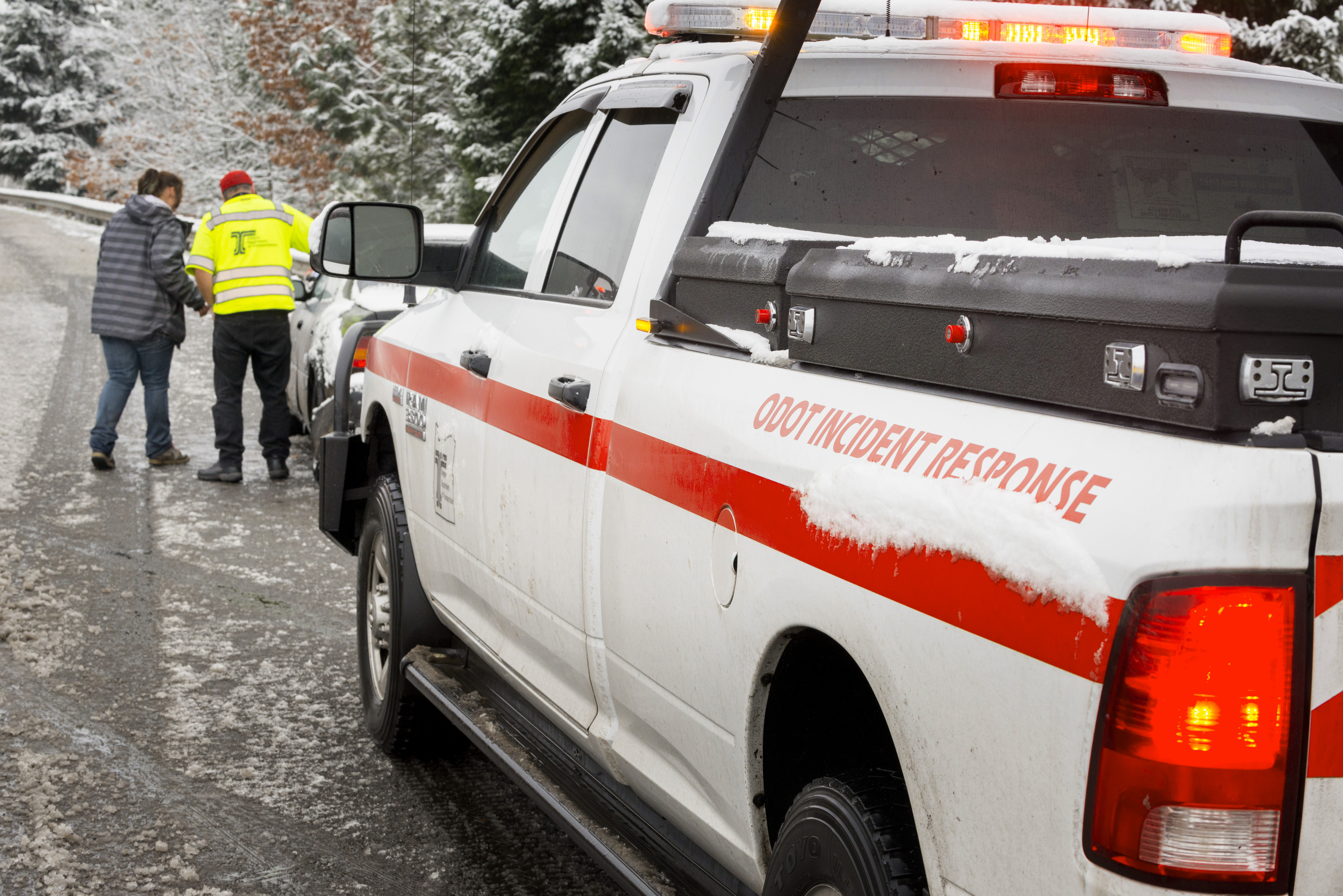
Roadside assistance services are a critical safety net for motorists, offering timely help when vehicles break down or encounter unexpected mechanical issues. These services range from simple battery jumps and tire changes to towing and more complex on-site repairs, ensuring drivers aren't stranded. Historically evolving from early automobile clubs, modern roadside assistance is now a multi-billion dollar industry, often bundled with auto insurance policies, offered by dedicated providers like AAA, or integrated into vehicle manufacturer programs. The advent of GPS tracking and mobile apps has revolutionized response times and customer experience, allowing for more efficient dispatch and real-time updates. Despite its ubiquity, debates persist regarding pricing, service quality, and the ethical implications of data usage by these providers.
🎵 Origins & History
The concept of roadside assistance traces its roots back to the early days of the automobile. As cars became more prevalent in the late 19th and early 20th centuries, so did the frequency of breakdowns on nascent road networks. Recognizing this growing need, organizations like the Royal Automobile Club (RAC) and later the American Automobile Association (AAA) began offering services to their members, including towing and mechanical assistance. These early automobile clubs acted as pioneers, laying the groundwork for the structured, widespread roadside assistance networks we know today. The evolution from simple towing to comprehensive service packages was gradual, driven by increasing vehicle complexity and the demand for greater driver security.
⚙️ How It Works
At its core, roadside assistance operates on a service-call model, typically initiated by a distressed motorist. The driver contacts the service provider via phone or a dedicated mobile app, detailing their location and the vehicle's issue. Dispatchers then use sophisticated software, often incorporating GPS technology, to identify the nearest available service technician or tow truck. Technicians are equipped with specialized tools and knowledge to address common problems such as dead batteries, flat tires, lockouts, fuel delivery, and minor mechanical failures. For more severe issues, the service includes towing the vehicle to a designated repair shop, often within a specified service radius or to a partner facility. The efficiency of this system relies heavily on real-time data and communication networks, ensuring rapid deployment and resolution.
📊 Key Facts & Numbers
The roadside assistance industry is a colossal global market. The average cost of a single roadside assistance call, if paid out-of-pocket, can range from $75 for a simple jump-start to over $250 for a tow, making annual membership plans, which typically cost between $50 and $150, a financially attractive option for many drivers. Approximately 60% of motorists in developed countries subscribe to some form of roadside assistance, whether through auto clubs, insurance providers, or vehicle manufacturers. The industry sees its peak demand during holiday travel periods and extreme weather events, with call volumes sometimes increasing by as much as 50% during these times.
👥 Key People & Organizations
While many organizations offer roadside assistance, AAA stands as a titan in the field, particularly in North America, with its extensive network of service providers and a membership base exceeding 60 million. Other significant players include Nationwide Insurance, GEICO, and Progressive Insurance, which often bundle roadside assistance as an add-on to their auto insurance policies. Vehicle manufacturers like Ford and General Motors also provide their own branded roadside assistance programs, especially for new vehicle owners. Independent providers such as Good Sam Club cater to RV owners, while specialized services like Urgent.ly leverage technology for on-demand assistance. The technicians themselves are often independent contractors or employees of local towing companies, forming the backbone of the service delivery network.
🌍 Cultural Impact & Influence
Roadside assistance has profoundly shaped the driving experience, transforming the fear of being stranded into a manageable inconvenience. It has fostered a sense of security on the road, enabling longer journeys and greater reliance on personal vehicles. Culturally, the image of the helpful tow truck driver or the benevolent auto club representative is a recurring trope in media, symbolizing reliability and aid in times of crisis. The widespread availability of these services has also indirectly supported the growth of the automotive industry by mitigating one of the key anxieties associated with car ownership. Furthermore, the data collected by roadside assistance providers on common vehicle issues and traffic patterns has become invaluable for automotive research and infrastructure planning, influencing everything from vehicle design to road maintenance priorities.
⚡ Current State & Latest Developments
The current landscape of roadside assistance is characterized by rapid technological integration and evolving service models. Mobile apps are now standard, offering real-time technician tracking, digital payment options, and streamlined communication. Many providers are investing in electric vehicle (EV) charging solutions, recognizing the shift in the automotive market; for instance, AAA has expanded its mobile EV charging services in several regions. Telematics and AI are being explored to predict potential vehicle failures before they occur, moving towards a proactive rather than reactive service model. Partnerships between traditional auto clubs, insurance companies, and tech startups are becoming more common, aiming to create more comprehensive and efficient service ecosystems. The focus is increasingly on speed, transparency, and personalized service delivery, driven by consumer expectations shaped by other on-demand services like Uber and Lyft.
🤔 Controversies & Debates
Despite its essential nature, roadside assistance is not without its controversies. Pricing models, particularly for non-members or those requiring extensive services, can be a point of contention, with accusations of price gouging during peak demand periods. Service quality can vary significantly depending on the contracted provider, leading to inconsistent customer experiences and complaints about technician professionalism or the adequacy of on-site repairs. Data privacy is another growing concern, as providers collect extensive information on driving habits, vehicle performance, and location history, raising questions about how this data is stored, used, and protected. Furthermore, the reliance on independent contractors for service delivery can create labor disputes and ethical questions regarding fair wages and working conditions for technicians.
🔮 Future Outlook & Predictions
The future of roadside assistance is poised for significant transformation, largely driven by advancements in automotive technology and connectivity. The proliferation of electric vehicles (EVs) will necessitate a shift towards specialized EV charging and battery-swap services, a transition already underway with providers like Tesla offering mobile service and charging solutions. Autonomous vehicles present a unique challenge and opportunity; while they may reduce the frequency of human-error-related breakdowns, they could introduce new types of electronic or software-related failures requiring specialized remote diagnostics and repair. Predictive maintenance, powered by AI and vehicle-to-cloud communication, aims to anticipate issues before they lead to a roadside event, potentially reducing the need for traditional towing. The integration of augmented reality (AR) for remote diagnostics and technician guidance is also on the horizon, promising faster and more accurate on-site problem-solving.
💡 Practical Applications
Roadside assistance services are indispensable for a wide array of practical applications, primarily centered around vehicle mobility and driver safety. For individual car owners, it provides peace of mind, ensuring help is available for common issues like flat tires, dead batteries, or running out of fuel, preventing significant disruptions to daily commutes or long-distance travel. Fleet management companies rely heavily on these services to minimize downtime for their commercial vehicles, ensuring timely deliveries and operational efficiency. Auto manufacturers integrate roadside assistance into their vehicle warranties and ownership packages, enhancing customer satisfaction and brand loyalty. Furthermore, emergency services and law enforcement agencies often coordinate with roadside assistance providers for accident recovery and traffic management, ensuring roads remain clear and safe for other motorists. Even recreational vehicle users benefit from specialized services tailored to larger vehicles and off-road scenarios.
Key Facts
- Category
- technology
- Type
- topic