
Contents
- ✈️ What Exactly is a Sailplane?
- 🤔 Who is This For?
- 📍 Where to Experience Silent Flight
- 💰 What's the Cost of Entry?
- 🚀 Getting Airborne: Towing & Launch Methods
- 🌬️ Harnessing Nature: Thermals & Ridge Lift
- 🏆 Sailplanes vs. Other Aircraft
- 💡 Essential Gear & Training
- 📈 The Future of Silent Flight
- ❓ Frequently Asked Questions
- Frequently Asked Questions
- Related Topics
Overview
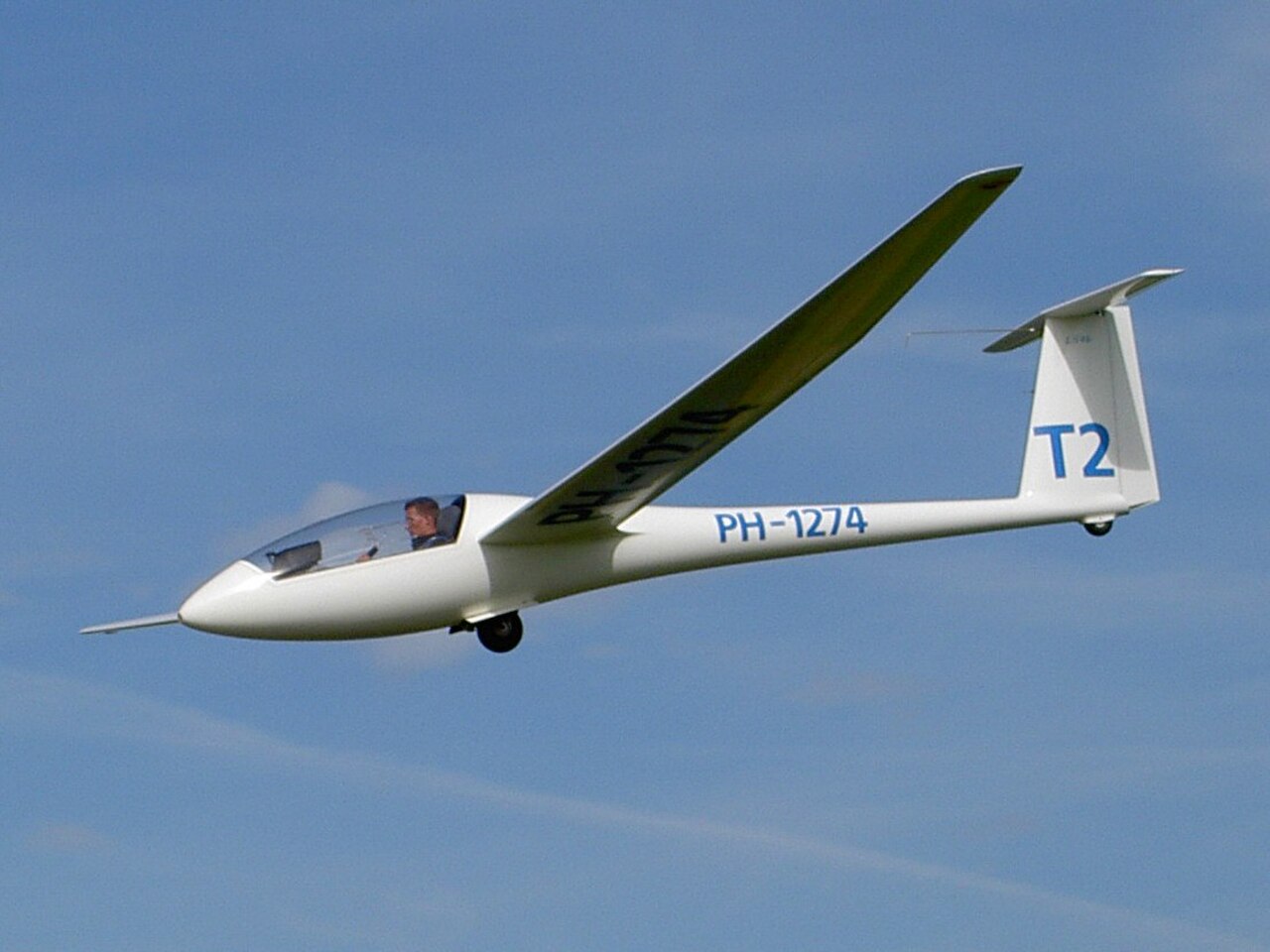
Sailplanes, often called gliders, are unpowered aircraft that ride air currents to stay aloft. Unlike powered planes, their existence is a testament to understanding atmospheric dynamics, from thermal updrafts to ridge lift. The sport of soaring demands exceptional pilot skill, strategic decision-making, and a deep connection with the environment. From recreational flights offering breathtaking views to competitive cross-country races pushing endurance limits, sailplanes represent a unique intersection of physics, human ingenuity, and the raw power of nature.
✈️ What Exactly is a Sailplane?
A sailplane, often called a glider, is a marvel of aerodynamic engineering designed for unpowered flight. Unlike powered aircraft, sailplanes rely entirely on atmospheric conditions to stay aloft and gain altitude. Their sleek, lightweight construction allows them to glide significant distances with minimal loss of height, making the experience of soaring through the sky a uniquely serene and efficient one. This pursuit is known as gliding, a sport that has captivated aviators for over a century.
🤔 Who is This For?
Silent flight is for the contemplative adventurer, the individual seeking a profound connection with the atmosphere. It appeals to those who appreciate precision engineering and the subtle art of reading the wind. Whether you're a seasoned pilot looking for a new challenge or a complete novice yearning for an unforgettable experience, sailplanes offer a distinct pathway into aviation. It's a pursuit that demands patience, skill, and a deep respect for the natural forces at play.
📍 Where to Experience Silent Flight
The primary hubs for sailplane activity are gliding clubs and specialized flight schools located in regions with favorable atmospheric conditions. These often include areas with consistent ridge lift or abundant thermal activity. Major centers can be found across North America, Europe, and Australia. Specific club locations and contact information are typically available through national gliding associations, such as the Soaring Society of America or the British Gliding Association.
💰 What's the Cost of Entry?
The cost of experiencing sailplane flight varies. A discovery flight, offering a brief introduction with an instructor, can range from $150 to $300. For those looking to learn, gliding lessons typically cost between $100-$200 per hour, not including aircraft rental. The cost of owning a sailplane can range from $15,000 for a basic used model to over $100,000 for a high-performance new one. Club memberships often provide more affordable access to aircraft and training.
🚀 Getting Airborne: Towing & Launch Methods
Getting a sailplane airborne is an art in itself. The most common method is aerotow, where a powered aircraft tows the glider to altitude using a long rope. Another popular method is winch launch, which uses a powerful ground-based winch to rapidly accelerate the sailplane down the runway, achieving launch speed. Some specialized gliders can also be launched using auto-tow systems, essentially a car pulling the glider. Each method offers a different sensation and requires specific training.
🌬️ Harnessing Nature: Thermals & Ridge Lift
The magic of sustained flight in a sailplane lies in understanding and utilizing atmospheric lift. Thermals are columns of rising warm air, often generated by sun-heated ground, which sailplanes can circle within to gain altitude. Ridge lift occurs when wind is deflected upwards by a mountain ridge, allowing gliders to soar along its face. Mastering these phenomena is key to extending flight times and distances, transforming a simple glide into a true soaring adventure.
🏆 Sailplanes vs. Other Aircraft
Compared to powered aircraft, sailplanes offer unparalleled quietness and a more intimate connection with the flight environment. They are significantly more fuel-efficient, as they require none. While powered aircraft offer independence from weather conditions, sailplanes demand a keen awareness and skillful exploitation of them. For sheer exhilaration and a unique sensory experience, sailplanes stand apart from the drone of engines and the complexity of avionics.
💡 Essential Gear & Training
To begin, a gliding instructor is essential. Most aspiring pilots will need to obtain a glider pilot license, which involves ground school and practical flight training. While not strictly mandatory for a first flight, comfortable clothing, sunglasses, and a willingness to learn are crucial. Many clubs offer introductory packages that include initial instruction and a set number of flights.
📈 The Future of Silent Flight
The future of sailplanes is intrinsically linked to advancements in aerodynamics and materials science, leading to more efficient and higher-performing aircraft. There's also a growing interest in electric-assisted electric self-launching sailplanes, which can motor themselves to altitude, reducing reliance on tow planes. As environmental consciousness grows, the appeal of silent, emission-free flight is likely to increase, potentially broadening the sport's appeal.
❓ Frequently Asked Questions
Q: Is gliding dangerous? A: Like any aviation activity, gliding carries inherent risks, but it is statistically very safe. Modern sailplanes are built to rigorous safety standards, and training emphasizes risk management and emergency procedures. Most accidents occur during landing or due to pilot error, underscoring the importance of thorough training and adherence to best practices. The gliding community places a high value on safety culture.
Section 11
Q: How long can a sailplane stay in the air? A: Flight duration is entirely dependent on atmospheric conditions and pilot skill. A basic training flight might last 15-30 minutes, but experienced pilots can stay aloft for many hours, sometimes exceeding 8-10 hours, by skillfully utilizing thermals and ridge lift. Record flights have extended for days in specialized conditions.
Section 12
Q: Do I need a pilot's license to try gliding? A: No, you do not need a pilot's license for an introductory or discovery flight. You will be accompanied by a certified instructor who handles all critical aspects of the flight. To fly a sailplane solo or obtain a license, formal training and certification are required.
Section 13
Q: What's the difference between a glider and a sailplane? A: The terms are often used interchangeably, but 'sailplane' typically refers to a higher-performance glider designed for soaring and cross-country flying, emphasizing aerodynamic efficiency. 'Glider' can encompass a broader range of unpowered aircraft, including those used for basic training or recreational flights with shorter durations.
Section 14
Q: Can I fly a sailplane in bad weather? A: Sailplanes are generally flown in fair weather conditions. Strong winds, thunderstorms, and heavy precipitation are avoided. The sport thrives on clear skies with good thermal development or steady ridge lift. Pilots constantly monitor weather forecasts and atmospheric conditions.
Section 15
Q: How high can a sailplane fly? A: The altitude a sailplane can reach is limited by the lift it finds and air traffic control regulations. While a tow plane might take a glider to 2,000-3,000 feet, skilled pilots can ascend to much higher altitudes within strong thermals, sometimes exceeding 10,000 feet. Flights above this altitude require supplemental oxygen and specific certifications.
Section 16
Q: What kind of training is involved? A: Training typically begins with ground school covering aerodynamics, meteorology, regulations, and emergency procedures. Flight training focuses on basic handling, launch and landing techniques, and crucially, soaring techniques like circling in thermals and using ridge lift. The goal is to achieve proficiency for solo flight and eventually a pilot license.
Key Facts
- Year
- 1909
- Origin
- Germany
- Category
- Aviation / Motorsports
- Type
- Topic
Frequently Asked Questions
Is gliding dangerous?
Like any aviation activity, gliding carries inherent risks, but it is statistically very safe. Modern sailplanes are built to rigorous safety standards, and training emphasizes risk management and emergency procedures. Most accidents occur during landing or due to pilot error, underscoring the importance of thorough training and adherence to best practices. The gliding community places a high value on safety culture.
How long can a sailplane stay in the air?
Flight duration is entirely dependent on atmospheric conditions and pilot skill. A basic training flight might last 15-30 minutes, but experienced pilots can stay aloft for many hours, sometimes exceeding 8-10 hours, by skillfully utilizing thermals and ridge lift. Record flights have extended for days in specialized conditions.
Do I need a pilot's license to try gliding?
No, you do not need a pilot's license for an introductory or discovery flight. You will be accompanied by a certified instructor who handles all critical aspects of the flight. To fly a sailplane solo or obtain a license, formal training and certification are required.
What's the difference between a glider and a sailplane?
The terms are often used interchangeably, but 'sailplane' typically refers to a higher-performance glider designed for soaring and cross-country flying, emphasizing aerodynamic efficiency. 'Glider' can encompass a broader range of unpowered aircraft, including those used for basic training or recreational flights with shorter durations.
Can I fly a sailplane in bad weather?
Sailplanes are generally flown in fair weather conditions. Strong winds, thunderstorms, and heavy precipitation are avoided. The sport thrives on clear skies with good thermal development or steady ridge lift. Pilots constantly monitor weather forecasts and atmospheric conditions.
How high can a sailplane fly?
The altitude a sailplane can reach is limited by the lift it finds and air traffic control regulations. While a tow plane might take a glider to 2,000-3,000 feet, skilled pilots can ascend to much higher altitudes within strong thermals, sometimes exceeding 10,000 feet. Flights above this altitude require supplemental oxygen and specific certifications.
What kind of training is involved?
Training typically begins with ground school covering aerodynamics, meteorology, regulations, and emergency procedures. Flight training focuses on basic handling, launch and landing techniques, and crucially, soaring techniques like circling in thermals and using ridge lift. The goal is to achieve proficiency for solo flight and eventually a pilot license.